


Seongsu Bridge undergoes overnight checks for 8cm height difference; ground conditions cross-verified using three methods
Translated from Korean, summarized and contextualized by DistantNews.
At a glance
News
Named sources
Under investigation
- Seoul conducted on-site tests on the Seongsu Bridge after a 9cm height difference was detected on an access ramp.
- Mayor Oh Se-hoon visited the site, emphasizing transparent disclosure of verification results and directing thorough inspection.
- Three methods, including core sampling and seismic surveys, were used to cross-verify the ground conditions beneath the pavement.
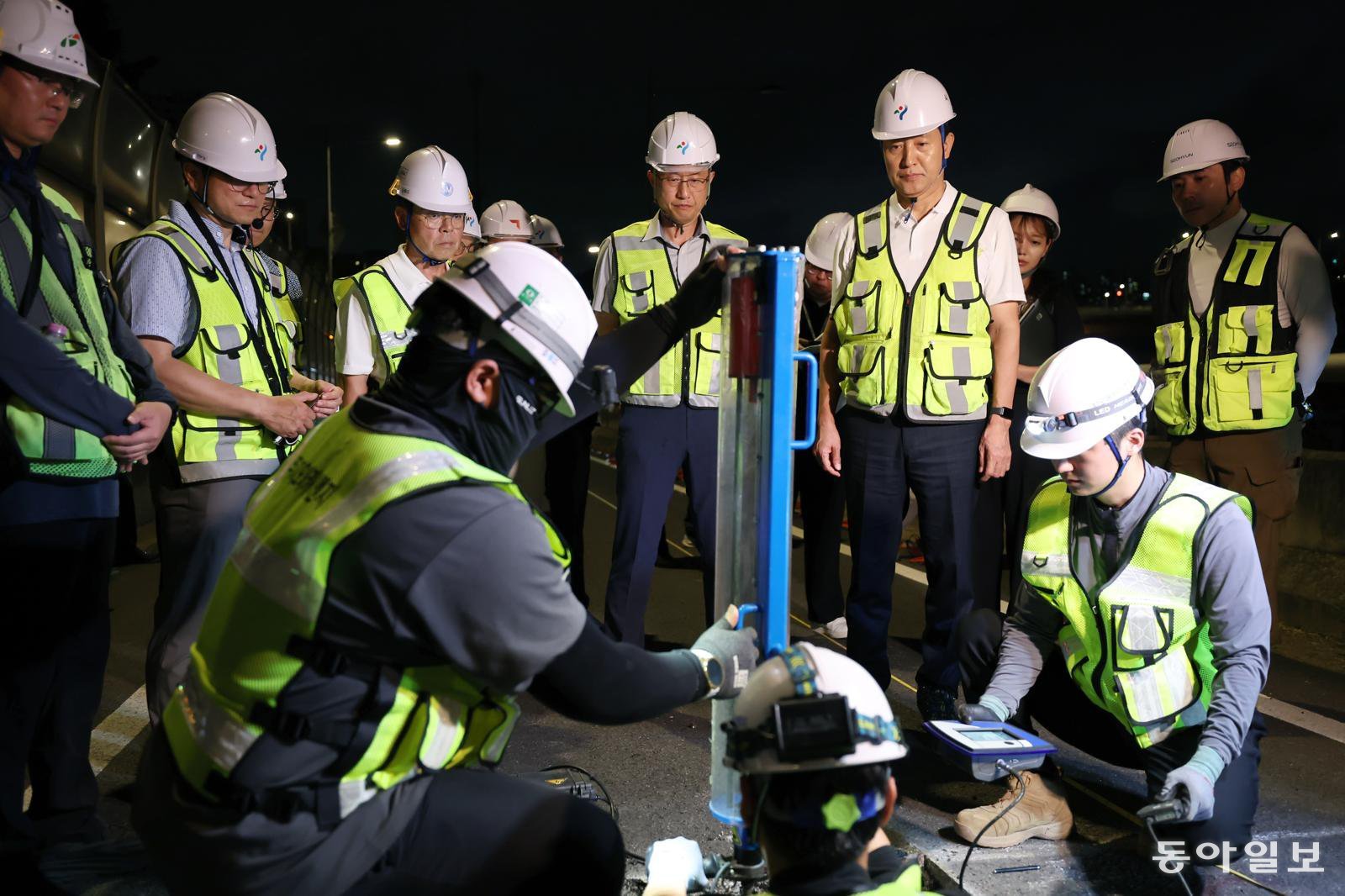
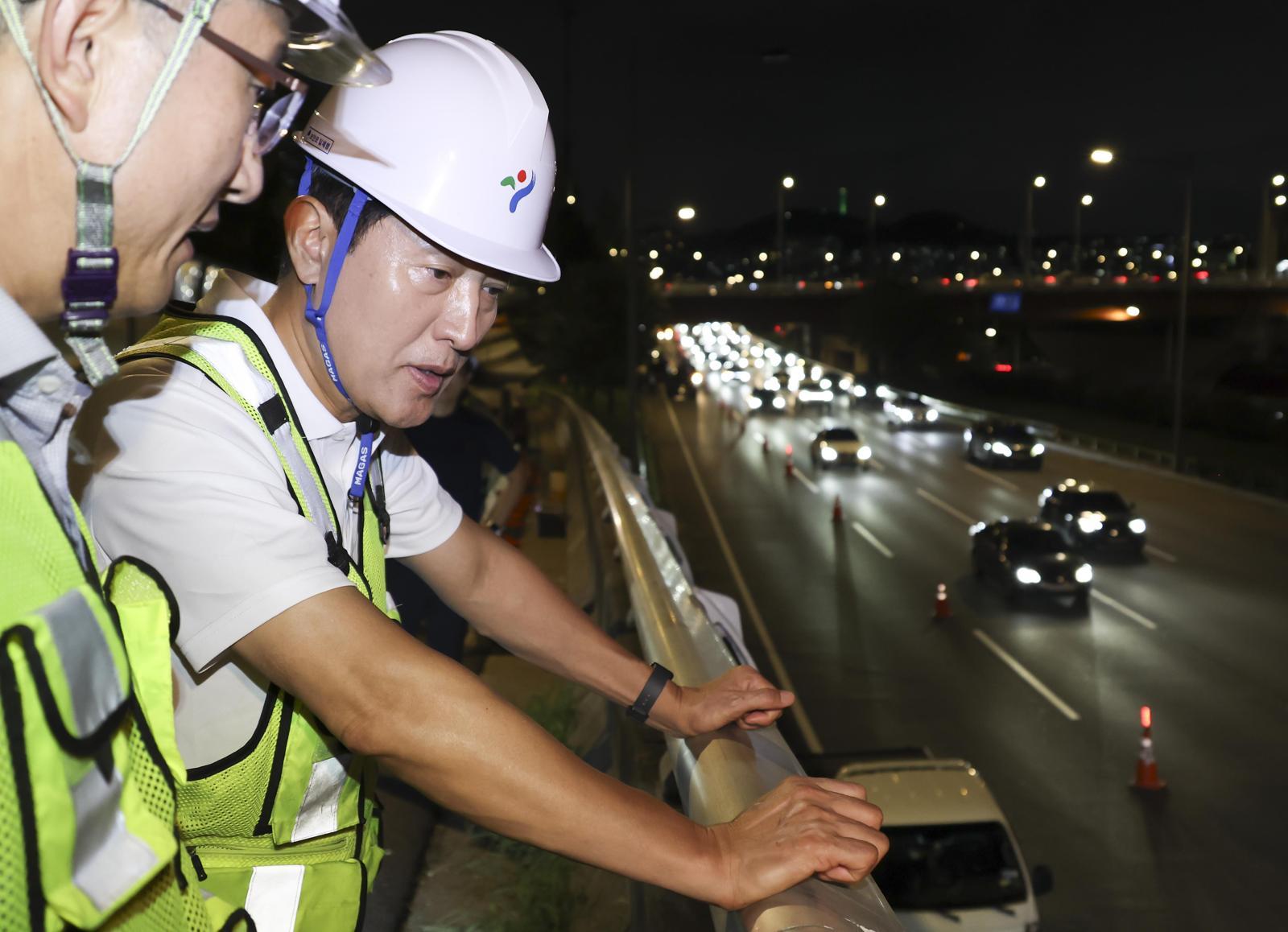
Seoul city officials are conducting on-site tests to investigate a nearly 9cm height difference detected on an access ramp of the Seongsu Bridge. Mayor Oh Se-hoon visited the site late on July 29, emphasizing the city's responsibility to thoroughly investigate any citizen concerns, even if structural safety has not been compromised.
"Although it has been confirmed that there are no issues with the bridge's structural safety so far, if there is any part that makes citizens feel even slightly uneasy, it is the responsibility of the Seoul Metropolitan Government to confirm it until the end and explain it," Oh stated during his visit.
The testing involves removing asphalt pavement in sections to directly examine the ground conditions and support capacity. This measure goes beyond repeated assurances of safety, aiming to address potential issues beneath the surface. External experts in structural and soil engineering, along with a safety diagnosis specialist agency, are participating in the field tests.
Experts believe the height difference occurred at the boundary where the bridge meets a retaining wall. While the bridge is anchored to bedrock, the retaining wall is built on soil layers. The gradual settlement of these soil layers over time is the suspected cause of the differential settlement.
Seoul is employing three distinct methods to cross-verify the ground conditions. 'Borehole drilling' involves collecting soil and rock samples to assess ground strength and weathering. 'Surface wave exploration' analyzes the speed of vibrations through the ground to identify areas that are loose or inadequately compacted. Additionally, a 'dynamic cone penetration test' measures the penetration of a cone-shaped device to determine strength and compaction at various depths.
Based on the comprehensive analysis of these tests, Seoul plans to make a final determination on the facility's condition and undertake necessary repairs or reinforcements. The city will also repave the area near the Seongsu Bridge's south access road to improve driving comfort and stability. Furthermore, inspections of similar structures will be expanded to enhance preventive safety management.
Although it has been confirmed that there are no issues with the bridge's structural safety so far, if there is any part that makes citizens feel even slightly uneasy, it is the responsibility of the Seoul Metropolitan Government to confirm it until the end and explain it.
DistantNews Editorial
Originally published by Dong-A Ilbo in Korean. Translated, summarized, and contextualized by our editorial team with added local perspective. Read our editorial standards.
More Stories


From Our Blog

What Gets Lost (and Found) When News Is Translated

The Critical Role of Diaspora Media in Global News

What Travellers Should Know About Countries with Restricted Press

A Digital Nomad's Guide to Following Local News

How the Same Story Looks Different in Different Countries
