


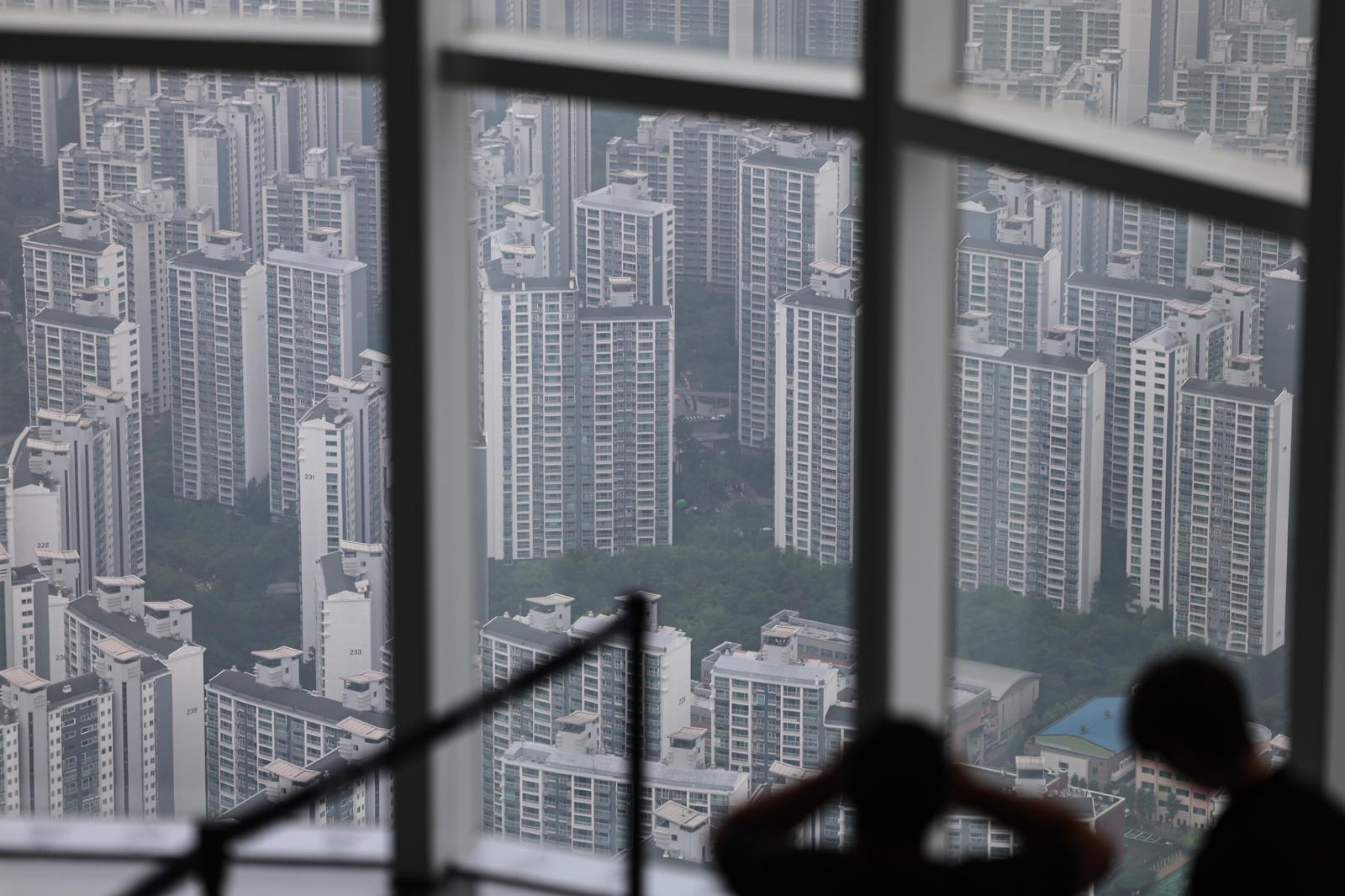
Seoul Apartment Completions Nearly Halve as Earlier Supply Slump Takes Effect
Translated from Korean and summarized by DistantNews. Read the original for the full story.
At a glance
News
Documents & data
Context piece
- Seoul completed 17,603 apartments from January through July, down 48.7% from the same period last year.
- The decline reflects earlier weakness in permits and construction starts caused by higher construction costs and interest rates.
- Seoul housing starts rose 44.4%, while apartment starts increased 36.1%, and apartment rental transactions shifted further toward monthly rent.
Seoul completed 17,603 apartments in the first seven months of the year, less than half the 34,339 completed during the same period last year.
The wider decline included all housing types. Seoul completed 20,916 homes, down 43.3% year on year, while national housing completions fell 41.4% to 135,513 units. The reduced number of homes ready for occupancy reflects the supply slowdown of 2022 and 2023, when high construction costs and interest rates weakened permits and project starts.
The figures also show a sharp contrast between completed homes and the pipeline of future supply. Seoul housing starts rose 44.4% to 19,507 units from January through July, and apartment starts increased 36.1% to 14,995. In July alone, Seoul housing starts reached 6,386 units, roughly 10 times the 642 recorded a year earlier. Apartment starts reached 5,574, about 20 times the previous year’s level.
Presales rose nationally and in Seoul. Nationwide presales increased 41.1% to 128,019 units, while Seoul presales more than doubled to 14,489. National permits fell 7.9%, but Seoul permits rose 6.1% to 28,634 units.
Housing transactions weakened in July. National home sales fell 8.2% from the previous month, while Seoul apartment sales dropped 15.2% month on month and 22.6% year on year. Monthly rental deals accounted for 69.7% of Seoul’s rental transactions in the first seven months, up from 63.8% a year earlier. The share for Seoul apartments reached 52%, compared with 43.9% the previous year.
About this summary
Originally published by Dong-A Ilbo in Korean. Translated, summarized, and contextualized automatically by DistantNews, with a note on how the source frames the story. Not individually reviewed before publishing. How this works.
More Stories


From Our Blog

What Gets Lost (and Found) When News Is Translated

The Critical Role of Diaspora Media in Global News

What Travellers Should Know About Countries with Restricted Press

A Digital Nomad's Guide to Following Local News

How the Same Story Looks Different in Different Countries
