


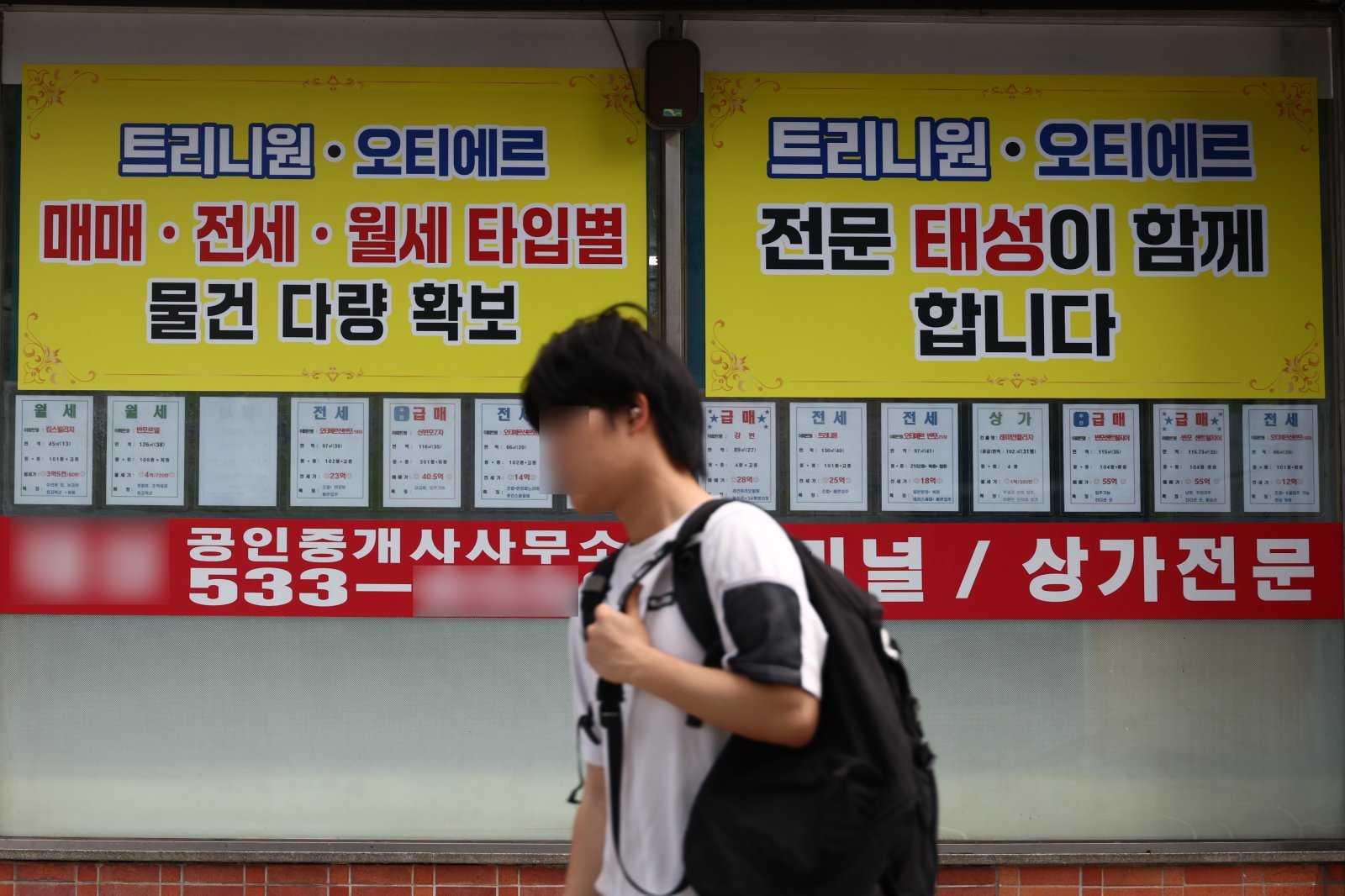
Seoul apartment listings surge as tax reforms loom
Translated from Korean, summarized and contextualized by DistantNews.
At a glance
News
Documents & data
New plan
- Seoul's apartment listings increased by over 2,100 in a week, with more than half concentrated in the affluent Gangnam 3 districts.
- This surge is attributed to the government's impending tax reform, which is expected to raise property ownership taxes for high-value homes.
- Experts predict increased selling pressure on expensive properties in Gangnam, though a sudden market crash is not guaranteed due to phased regulations and existing demand.
Seoul's real estate market is seeing a significant influx of apartment listings, with over 2,100 new properties appearing in the capital within a week. The affluent Gangnam 3 districts, Gangnam, Seocho, and Songpa, account for more than half of this increase, signaling a growing trend of sellers looking to offload high-value homes. This surge is directly linked to the government's imminent tax reform, which is poised to increase the burden of property ownership taxes, particularly for owners of expensive residences.
the property listings in Seoul increased by more than 2,000 in a week, with more than half concentrated in the affluent Gangnam 3 districts.
The impact is already visible in the slowing price appreciation in these prime areas. For instance, apartment prices in Gangnam-gu saw a mere 0.01% increase week-on-week, while Seocho-gu and Songpa-gu experienced their lowest growth rates in 14 weeks. This cautious market sentiment is attributed to the anticipation of the government's tax reform, which targets high-value homes.
Analysts suggest the new tax policies, which adjust 종합부동산세 (Comprehensive Real Estate Holding Tax) based more on property value than the number of homes owned, will significantly raise holding costs. While the basic exemption for primary homeowners will increase, non-resident homeowners will face a lower exemption. Furthermore, the official property valuation ratio will rise, and tax rate caps will be increased, especially for high-value properties. This could lead to a substantial tax increase for some homeowners in Gangnam, even those who are primary residents.
This tax reform is a pinpoint regulation targeting high-value, non-resident-owned properties in key Gangnam areas.
Experts like Woo Byung-tak from Shinhan Premier Pathfinder predict that a primary homeowner residing in a Banpo Xi apartment in Seocho-gu could see their annual holding tax jump by over 52% next year. For those not residing in the property, the increase could be as high as 83.4%. This heightened cost is expected to create significant selling pressure on properties in Gangnam, especially for non-resident owners. Nam Hyuk-woo of Woori Bank Real Estate Research noted that the reform specifically targets expensive, non-resident-owned properties in key Gangnam areas, potentially forcing more sellers into the market. Some owners might consider selling before 2027, when long-term residency income deductions are set to be applied, potentially leading to a concentrated release of properties.
This will increase the cost of holding property, and this will act as a factor pressuring the release of listings in key Gangnam areas.
DistantNews Editorial
Originally published by Dong-A Ilbo in Korean. Translated, summarized, and contextualized by our editorial team with added local perspective. Read our editorial standards.
More Stories


From Our Blog

What Gets Lost (and Found) When News Is Translated

The Critical Role of Diaspora Media in Global News

What Travellers Should Know About Countries with Restricted Press

A Digital Nomad's Guide to Following Local News

How the Same Story Looks Different in Different Countries
