

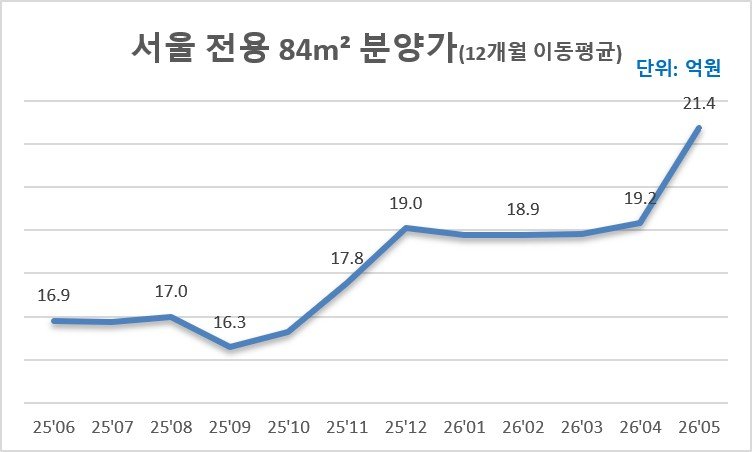

Seoul apartment record-high sales drop below 10% in May, but some areas still surge
Translated from Korean, summarized and contextualized by DistantNews.
At a glance
News
Documents & data
Context piece
- The proportion of apartment transactions involving record-high prices in the Seoul metropolitan area fell below 10% in May for the first time this year.
- This decline is attributed to weakened buyer sentiment due to regulations and the upcoming end of a tax break for multiple homeowners.
- While some high-priced areas saw a slowdown, districts like Yeongdeungpo, Dongjak, and Dongdaemun showed continued strong price increases.
The proportion of apartment transactions involving record-high prices in the Seoul metropolitan area dropped to 9.7% in May, marking the first time it has fallen below 10% this year. This trend reflects a broader cooling of the market, influenced by stringent loan regulations and the impending expiration of a tax deferral for multiple homeowners.
According to an analysis of government transaction data, buyer sentiment has weakened significantly since measures like the Oct. 15th real estate plan and strict lending rules were implemented. The approaching deadline for the suspension of capital gains tax hikes on multiple homeowners, set for May 9th, also led to a surge of distressed properties entering the market, further contributing to the decrease in record-high transactions.
In Seoul, the share of record-high apartment transactions has been on a steady decline since February, falling from 31.3% to 19.3% in May. The number of such transactions also decreased from over 1,000 monthly to 864 in May, with the total number of transactions falling below the average of the previous three months.
Currently, the Seoul metropolitan market shows differentiation by region and price range, with a wait-and-see attitude in high-priced areas like Gangnam and relative strength in mid-priced Seoul areas and some parts of Gyeonggi Province.
Areas like Gangnam, Seocho, and Yongsan, which previously led the market with record-high transactions, have seen a noticeable slowdown. This is largely due to a wait-and-see attitude among buyers for high-priced properties, which require substantial cash reserves. Conversely, districts such as Yeongdeungpo, Dongjak, and Dongdaemun have experienced a surge, with record-high transaction shares increasing by about 20 percentage points compared to the previous year.
Analysts suggest that the continued demand in these areas is driven by genuine buyers transitioning from the rental market and their relative affordability compared to the Gangnam area, with less impact from loan regulations. In Gyeonggi Province, the overall share of record-high transactions decreased slightly to 7.0% in May. However, areas with good living conditions outside regulated zones and those benefiting from semiconductor industry demand have seen significant increases in record-high transactions.
Demand remains robust, particularly in areas along the semiconductor industry belt, behind major business districts, and with excellent accessibility to Seoul, indicating a concentration of demand in economically stable regions.
DistantNews Editorial
Originally published by Hankyoreh in Korean. Translated, summarized, and contextualized by our editorial team with added local perspective. Read our editorial standards.
More Stories

From Our Blog

What Gets Lost (and Found) When News Is Translated

The Critical Role of Diaspora Media in Global News

What Travellers Should Know About Countries with Restricted Press

A Digital Nomad's Guide to Following Local News

How the Same Story Looks Different in Different Countries
