


Seoul Apartment Supply to Decline Until 2028
Translated from Korean, summarized and contextualized by DistantNews.
At a glance
News
Sources not specified
Context piece
- Seoul's apartment supply is projected to decrease annually until 2028, with a significant drop from this year's figures.
- While some large complexes are scheduled for completion in the latter half of this year, their concentration in specific districts like Seocho and Eunpyeong limits their impact on overall supply.
- The shortage is expected to persist, potentially driving demand for new and near-new apartments in areas with older housing stock and limited new construction.
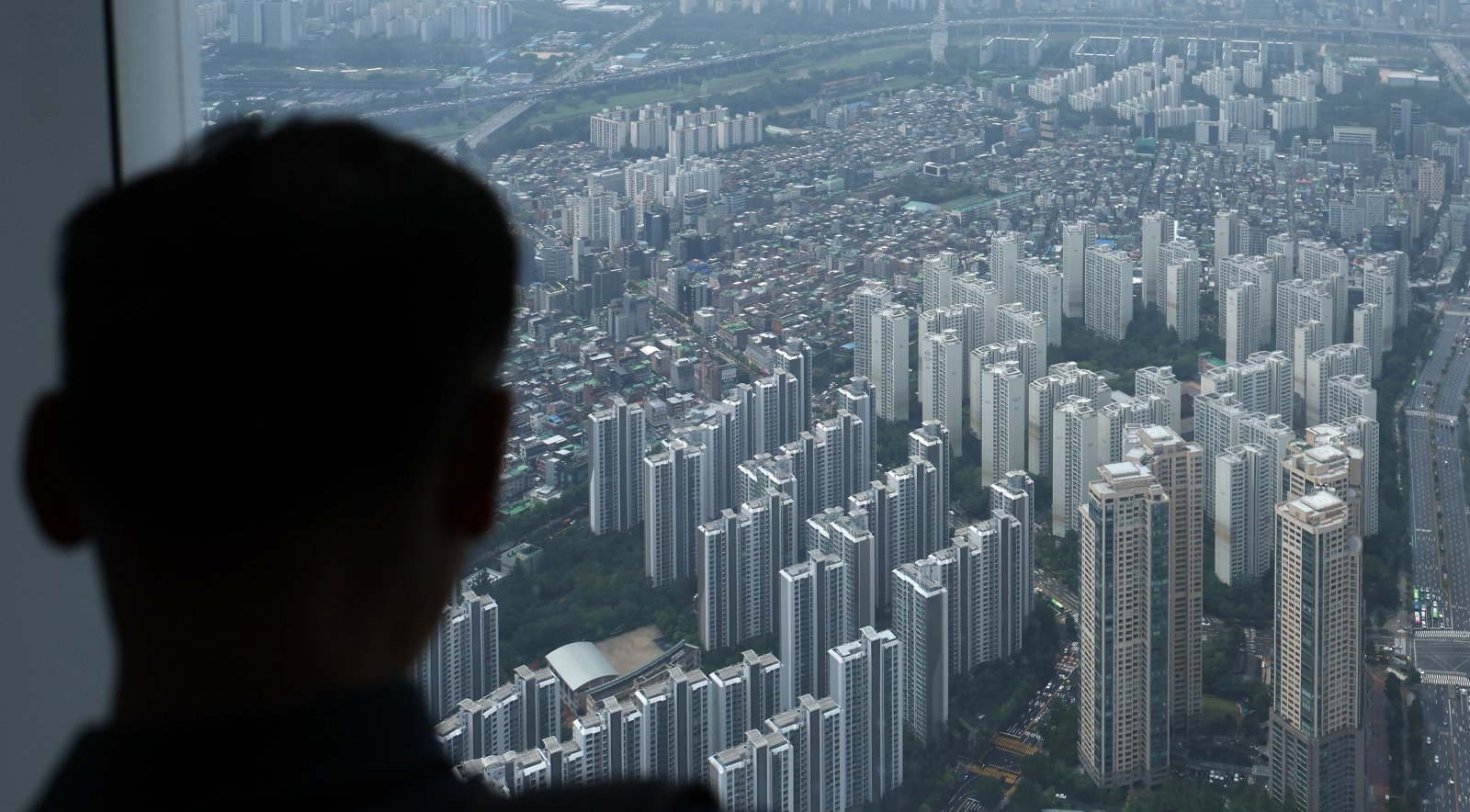
Seoul's apartment supply is on a downward trend, with projections indicating a continued decrease until 2028. This year, the city anticipates 25,281 apartment units, a significant drop from last year's 37,103 units. The decline is expected to worsen, with 2027 seeing fewer than 20,000 units and 2028 projected to have only 13,683 units – a mere 37% of last year's total.
The supply of new apartments is difficult to increase in a short period as it is the result of permits and construction performance several years ago.
The long lead times for apartment construction, from permits to completion, mean that increasing supply quickly is challenging. The current outlook suggests a new apartment shortage in Seoul will likely last until at least 2028. Monthly supply figures are also heavily influenced by large developments; for instance, August's supply of 3,540 units is heavily skewed by the 2,091 units from the 'Banpo Raemian Triune' complex in Seocho.
Despite the overall supply concerns, some areas are seeing record-high prices for existing apartments. In Seodaemun district, the DMC Parkview Xi (84㎡) sold for 1.695 billion won, and DMC Raemian e-편한세상 (84㎡) for 1.59 billion won, both setting new records. Similarly, in Dobong district, a Dobong Kumho Eoullim River Park unit (76㎡) sold for 789 million won in January, and in Yangcheon district, a Mokdong Central I-PARK We've 2단지 unit (54㎡) reached a new high of 1.03 billion won in June.
Even if the monthly supply increases due to the move-in of some large complexes, it is difficult to see it as a recovery of supply for all of Seoul.
Industry experts note that the current supply is a result of past permit and construction data, making short-term increases difficult. They anticipate that demand will concentrate on new and near-new apartments in areas with older housing stock and limited new construction. Limited new projects are planned, with only a few large-scale urban renewal projects expected to offer new units, which may not significantly alleviate the overall shortage in Seoul.
In areas with a high proportion of old housing and rare new supply, demand is likely to concentrate on new apartments that can be lived in.
DistantNews Editorial
Originally published by Dong-A Ilbo in Korean. Translated, summarized, and contextualized by our editorial team with added local perspective. Read our editorial standards.
More Stories



From Our Blog

What Gets Lost (and Found) When News Is Translated

The Critical Role of Diaspora Media in Global News

What Travellers Should Know About Countries with Restricted Press

A Digital Nomad's Guide to Following Local News

How the Same Story Looks Different in Different Countries
