


Seoul Apartments Under Price Cap System See Record Subscription Rates, Dubbed 'Lottery Homes'
Translated from Korean, summarized and contextualized by DistantNews.
TLDR
- The 'Acros de Seocho' apartment complex in Seoul recorded an unprecedented 1,099.1:1 competition ratio for its initial offering, the highest in Seoul's private housing history.
- This high demand is attributed to the 'lottery subscription' effect, driven by a significantly lower sale price compared to nearby properties, offering a potential profit of over 1 billion won.
- The lower prices are a result of the 'sale price cap system,' which limits housing prices based on land and construction costs, aiming to stabilize the market and provide affordable housing for the non-homeowner population.
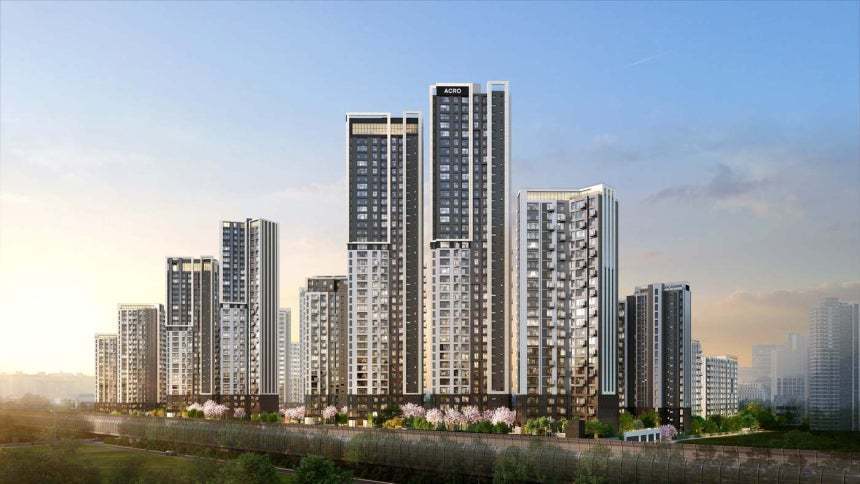
The recent 'Acros de Seocho' apartment offering in Seoul has set a new benchmark for housing demand, with an astonishing average competition ratio of 1,099.1:1. This unprecedented figure, the highest ever recorded for a private housing sale in the capital, underscores the intense desire for homeownership in South Korea, particularly for properties perceived as offering significant value.
The primary driver behind this frenzy is the government's 'sale price cap system.' By capping prices based on land and construction costs, the system creates a substantial gap between the sale price and the market value of surrounding properties. In the case of 'Acros de Seocho,' this difference translates to a potential profit of over 1 billion won for lucky winners, earning it the moniker 'lottery subscription.' This system, designed to ensure housing stability for the non-homeowner population and curb speculative price hikes, has inadvertently created highly sought-after 'lottery' opportunities.
From a local perspective in Seoul, the sale price cap system is a double-edged sword. While it offers a rare chance for many to acquire property at a price far below market rates, it also raises questions about market efficiency and fairness. The extreme competition means that only those with impeccable subscription records, often requiring decades of savings and family support, can even dream of winning. Furthermore, as the article points out, the system can lead to situations where prices in areas without the cap exceed those with it, creating distortions. This intense demand and the resulting 'lottery' effect highlight the ongoing challenges in balancing affordability with market dynamics in Seoul's competitive real estate landscape.
DistantNews Editorial
Originally published by Dong-A Ilbo in Korean. Translated, summarized, and contextualized by our editorial team with added local perspective. Read our editorial standards.
More Stories


From Our Blog

What Gets Lost (and Found) When News Is Translated

The Critical Role of Diaspora Media in Global News

What Travellers Should Know About Countries with Restricted Press

A Digital Nomad's Guide to Following Local News

How the Same Story Looks Different in Different Countries
