


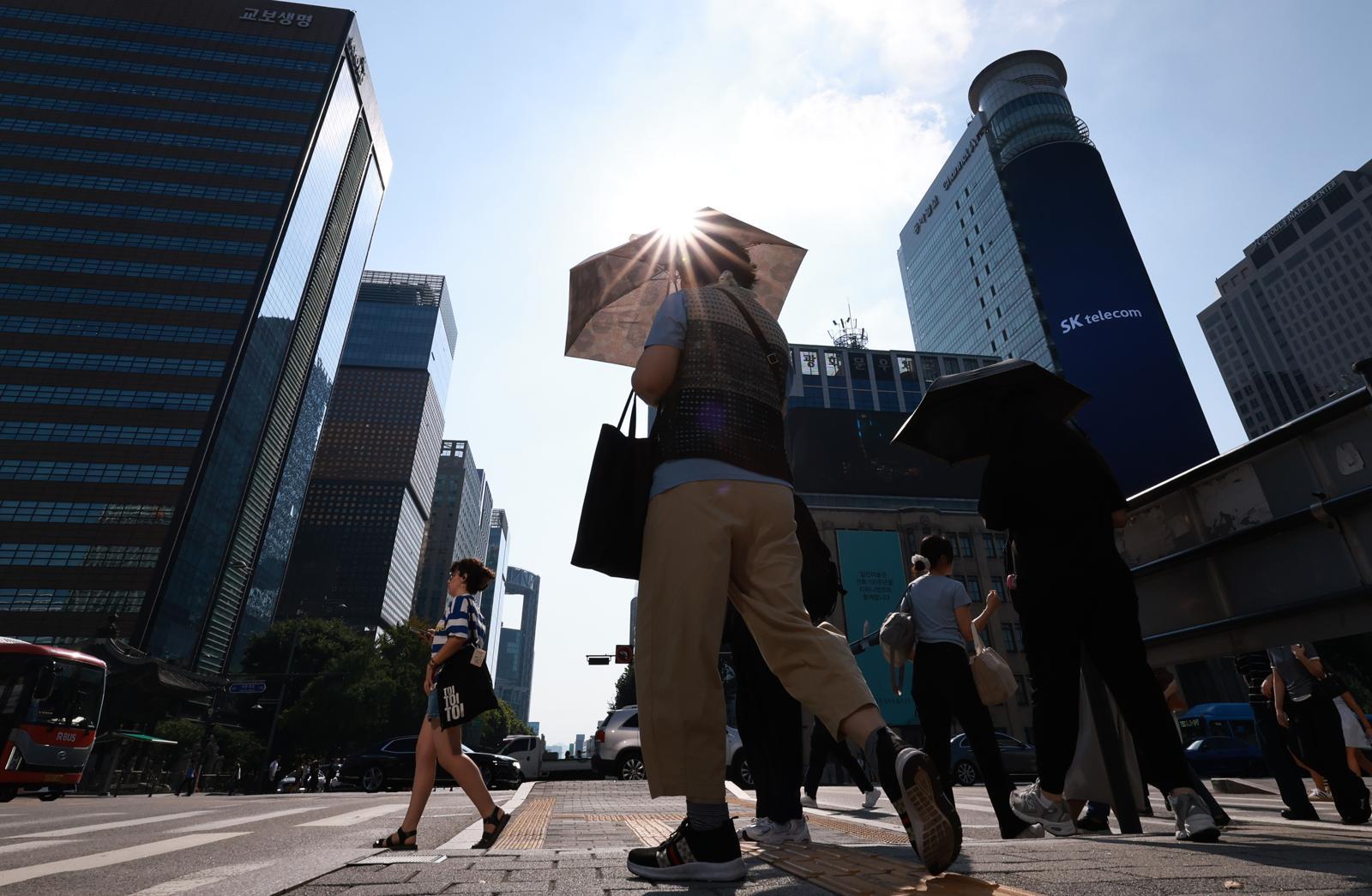
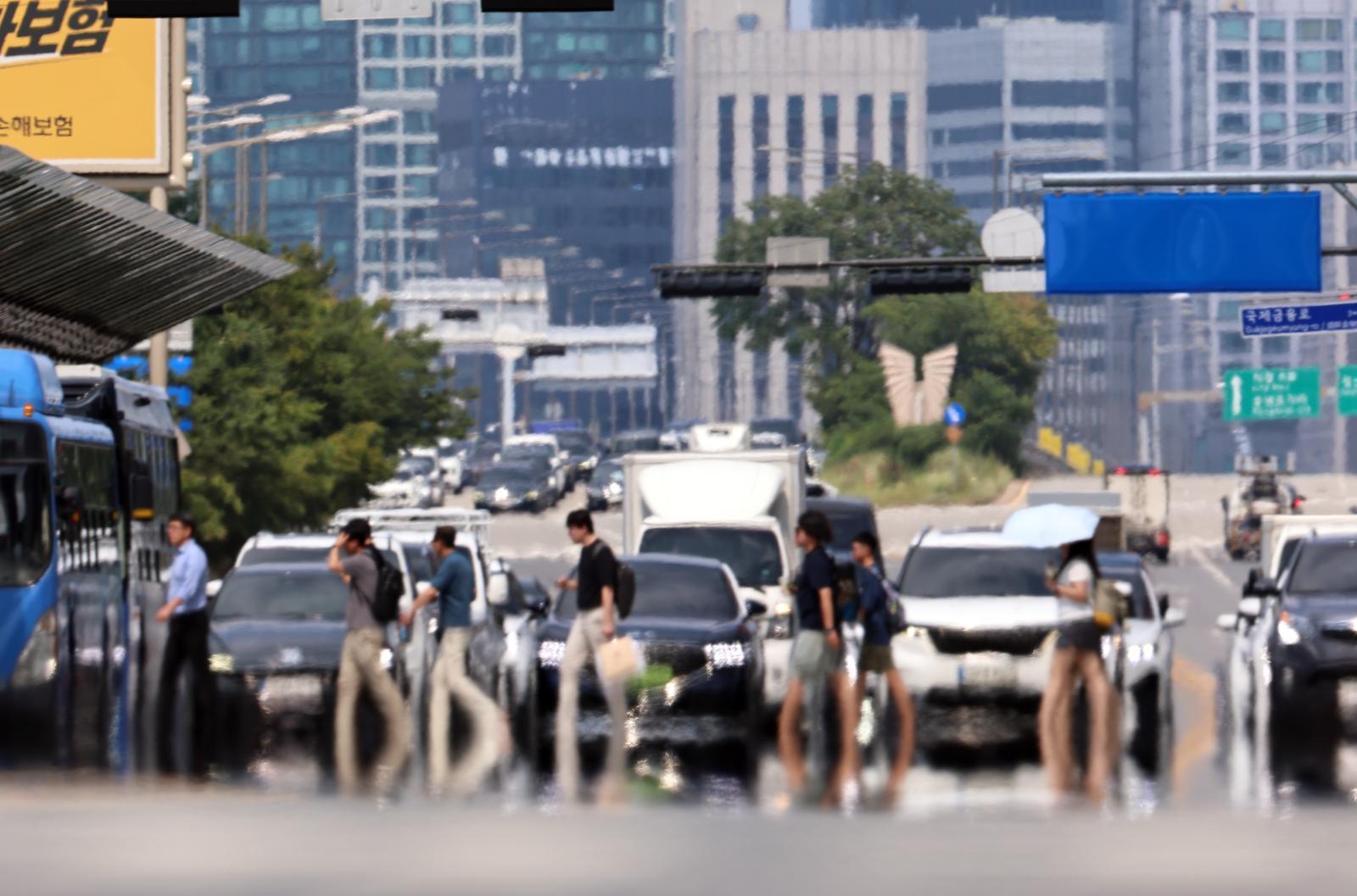
Seoul Braces for Potential Record 40°C Heat as Heatwave Grips South Korea
Translated from Korean, summarized and contextualized by DistantNews.
At a glance
News
Named sources
Context piece
- Seoul is forecast to reach 39 degrees Celsius on August 6, with a possibility of exceeding 40 degrees Celsius for the first time in recorded history.
- The Korea Meteorological Administration has issued heatwave warnings for 96.1% of the country.
- This heatwave follows record-breaking temperatures in 2018 and 2026.
Seoul could experience temperatures exceeding 40 degrees Celsius for the first time in its recorded meteorological history, as the capital is forecast to reach a high of 39 degrees Celsius on August 6. The Korea Meteorological Administration (KMA) noted that the average absolute error in its maximum temperature forecasts is about 1 degree Celsius, suggesting the possibility of breaking the 40-degree mark.
The highest temperature ever recorded in Seoul, based on modern meteorological observations starting in October 1907 at the Seoul Meteorological Observatory, was 39.6 degrees Celsius on August 1, 2018. The second highest was 38.4 degrees Celsius on July 24, 1994. However, using Automatic Weather Station (AWS) data, temperatures above 40 degrees Celsius were recorded in nine locations, including Seocho (41.1 degrees) and Gangnam (40 degrees), in 2018.
On August 7, Seoul's daytime high is also predicted to be 39 degrees Celsius. A severe heatwave warning remains in effect for many parts of the Seoul metropolitan area, with the capital experiencing consecutive days of severe warnings since August 4.
Nationwide, heatwave warnings have been issued for 226 out of 235 monitored land areas, covering 96.1% of the country. Of these, 36 areas are under severe warnings, while 49 are under regular warnings and 141 under advisories. This intense heatwave follows a period of extreme temperatures, with the KMA having previously issued warnings for August 3, indicating widespread high temperatures across the country.
DistantNews Editorial
Originally published by Dong-A Ilbo in Korean. Translated, summarized, and contextualized by our editorial team with added local perspective. Read our editorial standards.
More Stories

From Our Blog

What Gets Lost (and Found) When News Is Translated

The Critical Role of Diaspora Media in Global News

What Travellers Should Know About Countries with Restricted Press

A Digital Nomad's Guide to Following Local News

How the Same Story Looks Different in Different Countries
