


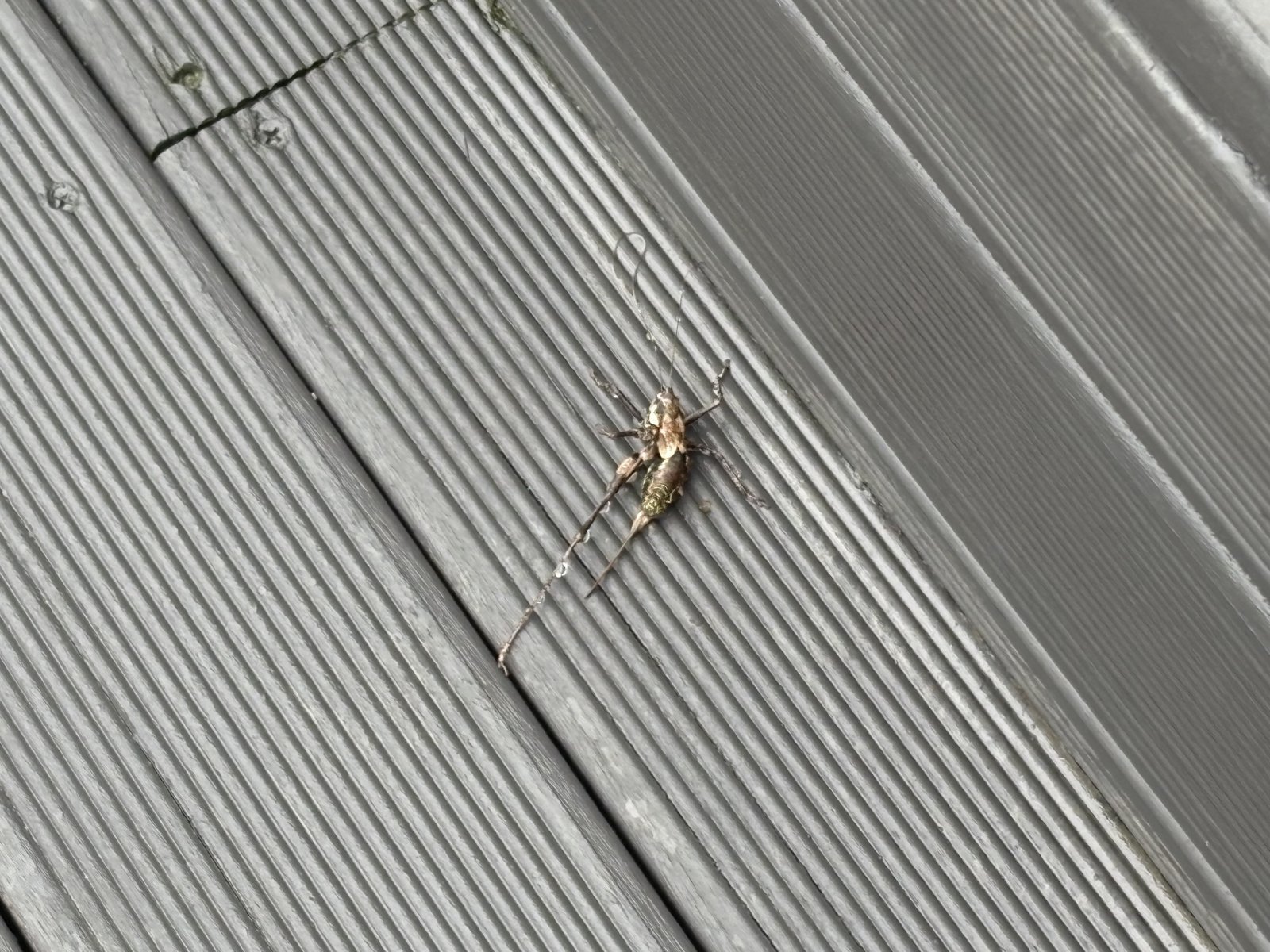
Seoul City Assures Public Brown Crickets Are Not Aggressive, Citing Defensive Bites and Natural Population Decline
Translated from Korean, summarized and contextualized by DistantNews.
At a glance
News
Named sources
Context piece
- The article discusses the presence of brown crickets in Seoul, South Korea, causing public concern.
- While brown crickets can bite defensively when threatened, experts and city officials state they are not aggressive and do not pose a significant threat.
- The population is expected to decrease naturally as they enter their breeding season, and the city is researching pest control methods.
Residents in Seoul are expressing fear and concern following the increased sightings of brown crickets, insects that resemble cave crickets. Online discussions have amplified worries that these insects might attack people. However, both city officials and entomological experts are working to calm public anxieties, emphasizing that brown crickets are not inherently aggressive towards humans.
Brown crickets are not the type of insect that initiates attacks on people.
According to Seoul's city government, brown crickets are not the type of insect that initiates attacks. They may bite as a defensive measure if they feel threatened, such as when handled by humans. These incidents might be perceived as bites, but the insects are not venomous and do not transmit diseases. The city noted that reports of these crickets in residential areas have been few, with only seven related complaints received this year, two of which were in the Nowon district where sightings have been prominent.
They may bite as a defensive measure if they feel threatened, such as when handled by humans.
Experts explain that the recent increase in brown cricket populations, particularly in mountainous areas north of Seoul, is likely linked to climate change. Warmer winters may have increased the survival rate of their eggs. While they can be a pest to orchards and crops, causing economic damage, their impact on urban environments is minimal. The city is currently monitoring the situation and researching appropriate pest control agents, but no immediate large-scale extermination plan is in place. The brown cricket population is expected to naturally decline as they enter their breeding season in July, reducing their visibility in living areas.
The population is expected to decrease naturally as they enter their breeding season.
DistantNews Editorial
Originally published by Dong-A Ilbo in Korean. Translated, summarized, and contextualized by our editorial team with added local perspective. Read our editorial standards.
More Stories



From Our Blog

What Gets Lost (and Found) When News Is Translated

The Critical Role of Diaspora Media in Global News

What Travellers Should Know About Countries with Restricted Press

A Digital Nomad's Guide to Following Local News

How the Same Story Looks Different in Different Countries
