


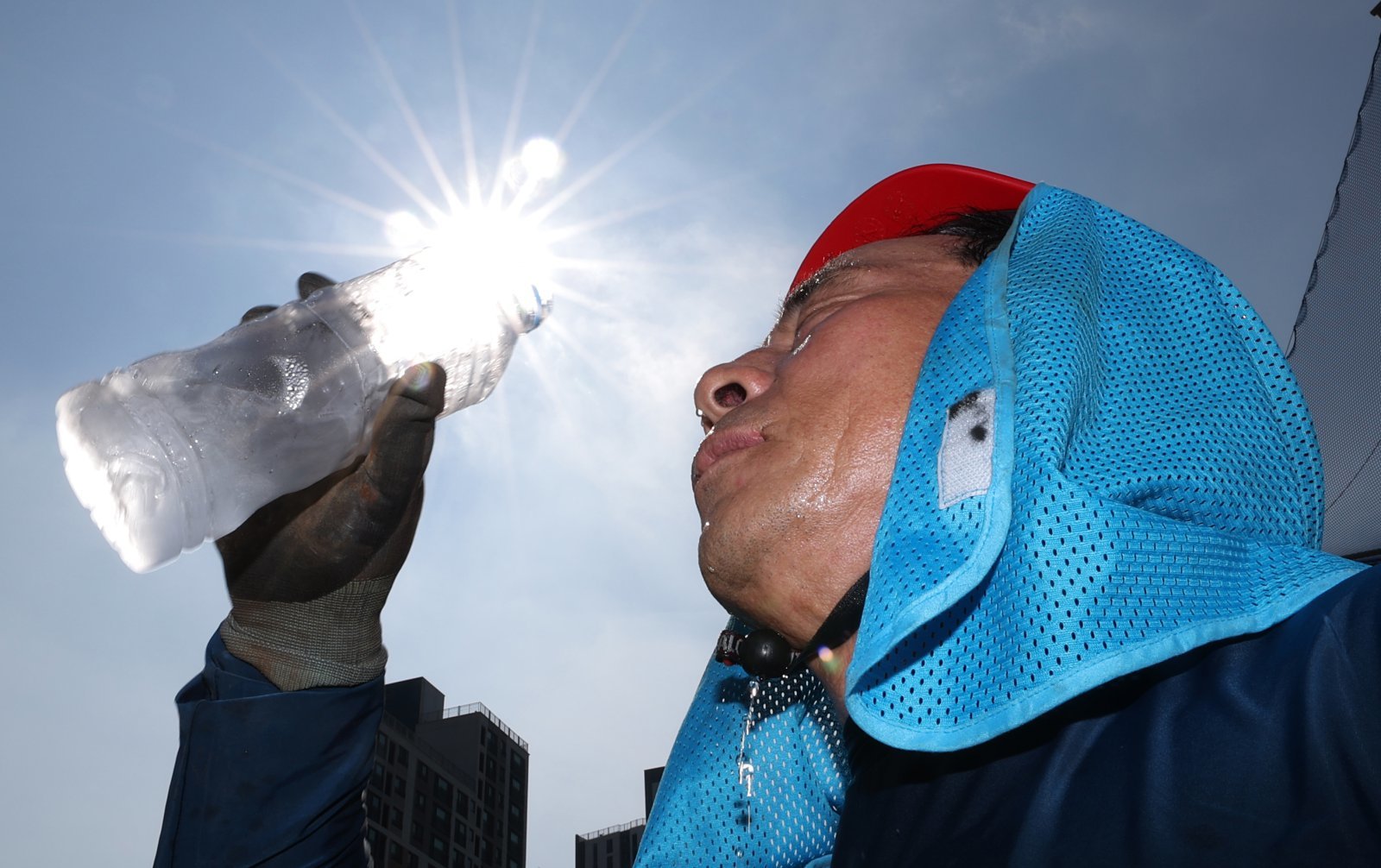
Seoul Forecasted to Hit 39 C, With Potential to Break 40 C Barrier
Translated from Korean, summarized and contextualized by DistantNews.
At a glance
News
Sources not specified
Context piece
- Seoul is forecast to reach 39 degrees Celsius (102.2 F) on August 7, with a possibility of exceeding 40 C (104 F) for the first time in modern history.
- A severe heatwave warning is in effect for most of the country, with the highest level issued for Seoul and surrounding areas.
- The extreme heat is expected to continue until around Liberation Day on August 15, with potential for tropical nights to persist.
Seoul is bracing for a historic heatwave, with temperatures expected to soar to 39 degrees Celsius (102.2 F) on August 7. This figure approaches the all-time record of 39.6 C recorded in 1907, and there's a possibility of the mercury climbing past 40 C (104 F) for the first time since modern meteorological observations began.
The Korea Meteorological Administration has issued severe heatwave warnings for most of the country, including the capital region and parts of Jeollanam-do. These warnings signify life-threatening conditions, prompting authorities to advise against outdoor activities and non-essential outdoor work.
The extreme heat is not expected to abate soon. While a slight dip in temperatures is forecast for the weekend with potential rain, the heat is predicted to return from August 10 to 15, with daytime highs reaching 31-36 C. Tropical nights, where the minimum temperature does not drop below 25 C, are also expected to continue nationwide, at least until Liberation Day on August 15.
This intense heat is attributed to a combination of the North Pacific High and the Tibetan High pressure systems converging over the Korean Peninsula. The "Foehn effect," where winds become hot and dry as they descend after crossing mountains, is exacerbating the situation, particularly in western regions like Seoul and Chungcheong and Honam provinces.
Adding to the concern, Typhoon Dolphin, currently located near Okinawa, is unlikely to bring significant relief. Its projected path towards Shanghai suggests it may not alter the prevailing weather patterns over Korea. In fact, as Typhoon Dolphin moves west, it could potentially draw more hot and humid air towards the peninsula, intensifying the heatwave.
The heat is life-threatening.
DistantNews Editorial
Originally published by Dong-A Ilbo in Korean. Translated, summarized, and contextualized by our editorial team with added local perspective. Read our editorial standards.
More Stories


From Our Blog

What Gets Lost (and Found) When News Is Translated

The Critical Role of Diaspora Media in Global News

What Travellers Should Know About Countries with Restricted Press

A Digital Nomad's Guide to Following Local News

How the Same Story Looks Different in Different Countries
