


Seoul Mobilizes Vacant Urban Land for Housing, Starting with 700 Homes in Umyeon-dong
Translated from Korean and summarized by DistantNews. Read the original for the full story.
At a glance
News
Named sources
Ongoing story
- The Transport Ministry opened public access to a preliminary strategic environmental impact assessment for the proposed Seoul Yangjae public housing district.
- The 60,903-square-meter site would provide 700 public homes for young people and newlywed couples, with supply targeted for the first half of 2028.
- The project faces fewer relocation disputes than the nearby Seoripul 2 development, but its small scale means the government must develop multiple vacant sites to meet its broader housing target.
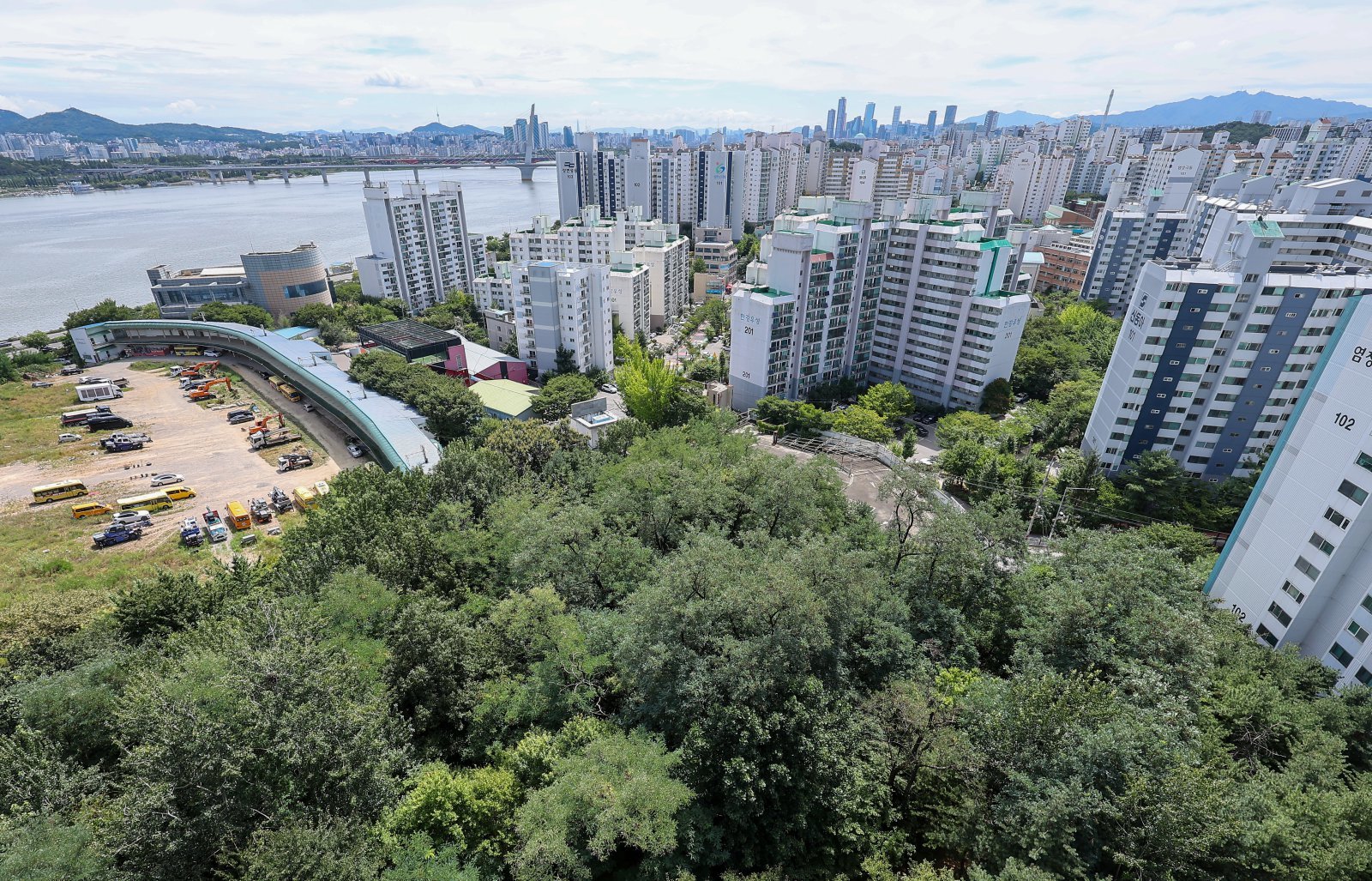
A vacant site in Seoul’s Umyeon-dong, unused for more than eight years, has entered the process for designation as a public housing district. The former Korea Educational Development Institute property in Seocho district is part of the government’s effort to turn leftover urban land into new housing.
The Ministry of Land, Infrastructure and Transport announced public access to a preliminary strategic environmental impact assessment for the Seoul Yangjae public housing district. The consultation runs through the second day of next month, and a residents’ briefing is scheduled for the 16th at the Yangjae aT Center. The district can be designated after consultations with the Environment Ministry and review by the Central Urban Planning Committee.
The site covers 60,903 square meters. Korea Land and Housing Corp. proposed its designation on Oct. 30 last year, after the institute moved to Chungbuk Innovation City in 2017. The plan calls for 700 public housing units for young people and newlywed couples, accommodating 1,260 residents, along with a park and community facilities connected to Umyeon Mountain. LH said it aimed to supply the homes in the first half of 2028 by shortening the approval process.
The only land left in Seoul that can be started without compensation and relocation procedures is mostly former public-agency property.
The government has identified vacant public sites as part of a wider plan to add 230,000 homes in the Seoul metropolitan area and reduce public housing development time from 68 months to 37 months. Its target for urban vacant sites is between 14,000 and 24,000 homes. Candidate locations include former public offices, a former military-related park site, seven closed schools and 13 unused school sites.
The nearby Seoripul 2 district is planned to contain 2,000 homes, but residents and a church oppose the inclusion of a village and the Umyeon-dong Catholic Church. They have sought to preserve the area and filed an administrative lawsuit seeking to cancel the designation. The Yangjae site is an unused public property without private land acquisitions or a relocation village, limiting the potential for similar conflict.
The project still faces questions about timing. Ten months passed between LH’s proposal and the environmental assessment consultation, and the designation date has not been set. Its 700 homes represent only about 3% to 5% of the government’s urban vacant-land target, making the development of several sites necessary.
These sites are a realistic option for moving up the housing supply timetable because their schedules are predictable.
About this summary
Originally published by Dong-A Ilbo in Korean. Translated, summarized, and contextualized automatically by DistantNews, with a note on how the source frames the story. Not individually reviewed before publishing. How this works.
More Stories


From Our Blog

What Gets Lost (and Found) When News Is Translated

The Critical Role of Diaspora Media in Global News

What Travellers Should Know About Countries with Restricted Press

A Digital Nomad's Guide to Following Local News

How the Same Story Looks Different in Different Countries
