


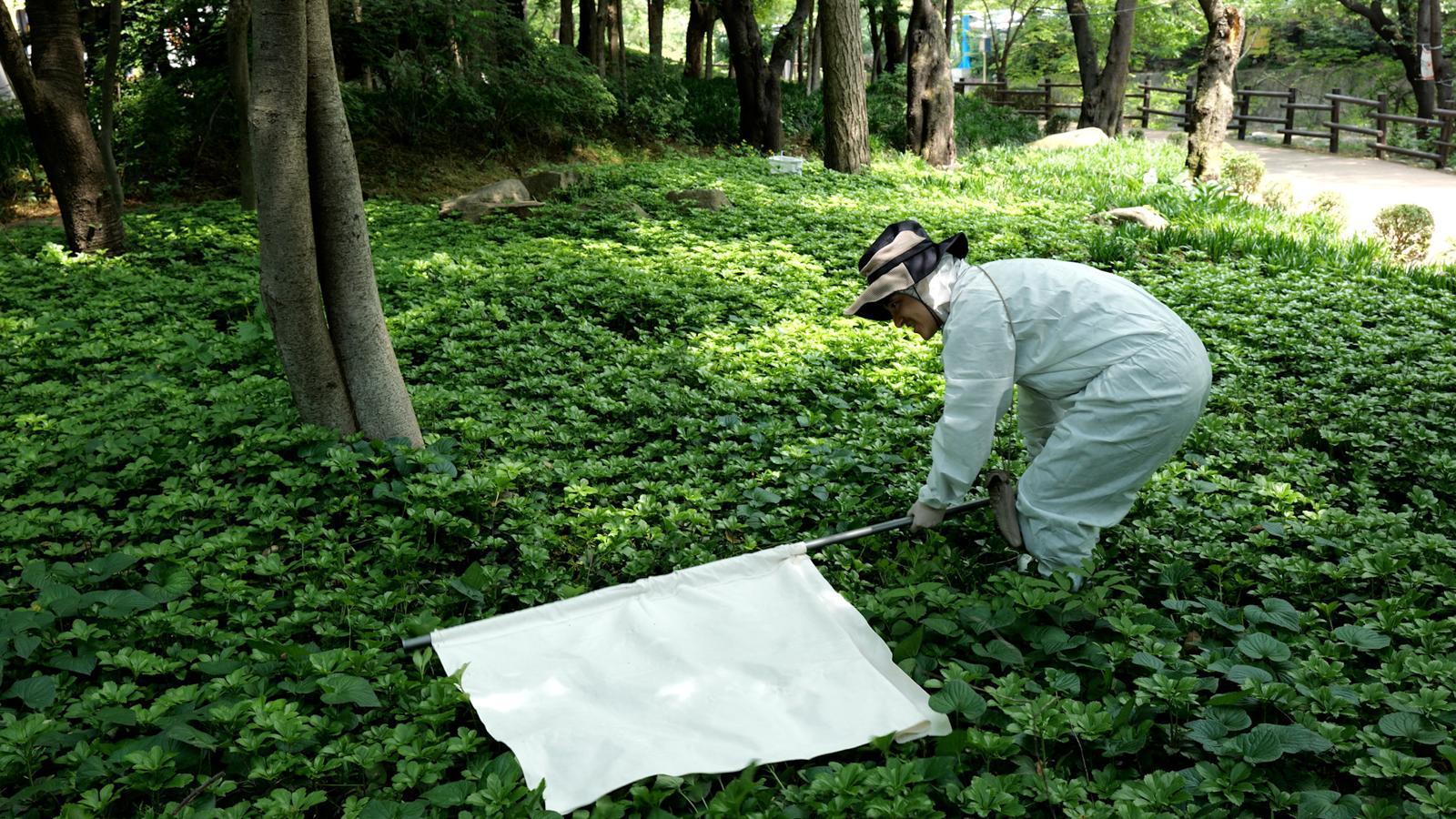
Seoul monitors parks for ticks, finds no severe fever virus so far
Translated from Korean and summarized by DistantNews. Read the original for the full story.
At a glance
News
Sources not specified
Context piece
- Seoul is actively monitoring parks and walking trails for ticks from April to October.
- Approximately 480 ticks collected so far have been tested, and none have shown the presence of the Severe Fever with Thrombocytopenia Syndrome (SFTS) virus.
- The city advises outdoor-goers to take precautions, such as wearing protective clothing and using repellent, and to check for ticks after activities.
Seoul is stepping up its surveillance of ticks in public spaces, particularly in parks and along walking trails, as the autumn outing season approaches. The Seoul Metropolitan Government's Institute of Health and Environment has been collecting and testing ticks since April to detect the presence of the Severe Fever with Thrombocytopenia Syndrome (SFTS) virus.
As of August, the institute had collected and examined about 480 ticks from various locations, including Hangang Park, ecological parks, walking paths, barefoot facilities, and dog play areas. Encouragingly, none of the tested ticks have so far been found to carry the SFTS virus. This ongoing monitoring will continue until October.
SFTS is a potentially serious tick-borne illness that can cause symptoms such as high fever, muscle pain, nausea, vomiting, and diarrhea. The ticks responsible, known as Haemaphysalis longicornis, are small and can be difficult to spot. The institute emphasizes the importance of checking for ticks after spending time outdoors and removing them carefully with tweezers if found. If symptoms appear within 14 days of a tick bite, medical attention is advised.
In addition to monitoring for human infections, the institute also conducts SFTS tests on pets. Approximately 200 tests are performed annually on stray cats and shelter animals. This year, 108 tests conducted between April and July yielded no positive results. The city recommends wearing long sleeves, socks, and hats, using insect repellent, and thoroughly checking pets for ticks after walks.
We will do our best to prevent tick-borne infectious diseases and respond promptly through continuous tick surveillance and rapid testing.
About this summary
Originally published by Dong-A Ilbo in Korean. Translated, summarized, and contextualized automatically by DistantNews, with a note on how the source frames the story. Not individually reviewed before publishing. How this works.
More Stories



From Our Blog

What Gets Lost (and Found) When News Is Translated

The Critical Role of Diaspora Media in Global News

What Travellers Should Know About Countries with Restricted Press

A Digital Nomad's Guide to Following Local News

How the Same Story Looks Different in Different Countries
