


Seoul's household growth outpaces housing, fueling rental anxiety
Translated from Korean, summarized and contextualized by DistantNews.
At a glance
News
Sources not specified
Context piece
- Seoul's household numbers grew by 370,000 in eight years, while housing stock increased by only 270,000, creating an imbalance.
- This supply-demand gap is identified as the primary cause of rising rental prices and instability in the city's housing market.
- Experts suggest expanding housing supply both within Seoul and by dispersing demand to surrounding Gyeonggi and Incheon regions, emphasizing public-private cooperation.
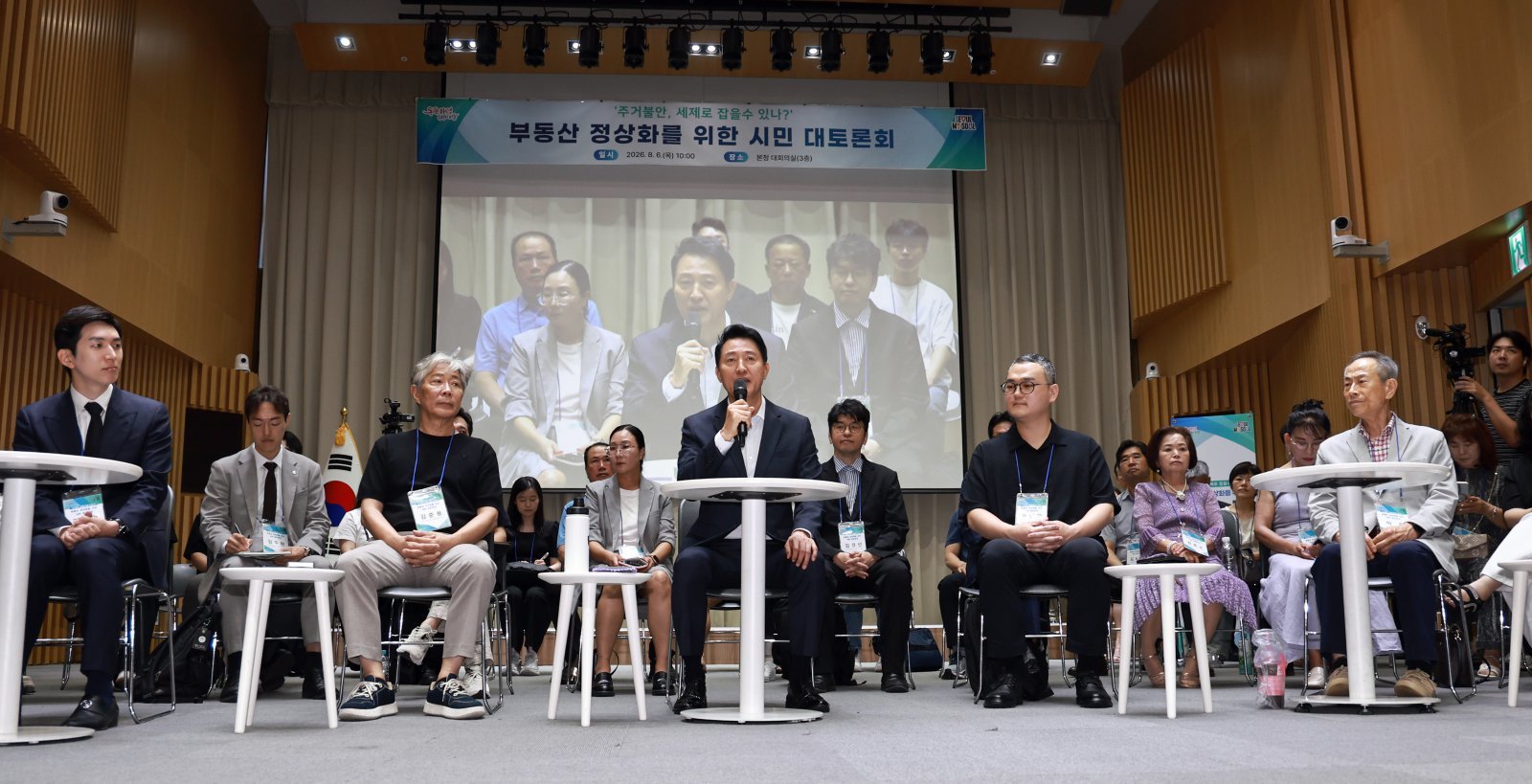
Seoul's housing market faces inevitable rental instability as the number of households outpaces housing construction, according to Yoon Ji-hae, head of Real Estate 114 Research Lab. In the past eight years, Seoul saw an increase of approximately 370,000 households, but only 270,000 new housing units were added.
In the past 8 years, Seoul's household numbers increased by about 370,000, but housing numbers only increased by about 270,000. The rental market is bound to become a structure of rising housing costs.
This significant gap between household growth and housing supply is the main driver behind rising rental costs and market volatility. Yoon explained that since 2017, the rate at which Seoul households are diversifying has exceeded the pace of net housing growth. "When the number of households increases faster than the number of homes, the living space itself becomes insufficient," she stated during a city-hosted forum on real estate normalization.
To stabilize the rental market, Yoon stressed the urgent need for accelerated housing supply through both public and private initiatives. She argued that distinguishing between public-led and private-led development is unnecessary, as both sectors should work collaboratively. "When supply is discussed, both the government and Seoul City claim to be the main players, but public and private entities are in a symbiotic relationship," she said.
When the number of households increases faster than the number of homes, the living space itself becomes insufficient.
Beyond increasing supply within Seoul, Yoon also recommended strategies to disperse demand to the surrounding Gyeonggi and Incheon provinces. She also suggested that policies like acquisition tax, though not yet finalized, should be discussed in conjunction with measures to invigorate property transactions.
When supply is discussed, both the government and Seoul City claim to be the main players, but public and private entities are in a symbiotic relationship. Dividing it into public-led or private-led is unnecessary.
DistantNews Editorial
Originally published by Dong-A Ilbo in Korean. Translated, summarized, and contextualized by our editorial team with added local perspective. Read our editorial standards.
More Stories

From Our Blog

What Gets Lost (and Found) When News Is Translated

The Critical Role of Diaspora Media in Global News

What Travellers Should Know About Countries with Restricted Press

A Digital Nomad's Guide to Following Local News

How the Same Story Looks Different in Different Countries
