


Seoul's Songpa District Tops Tourism Competitiveness; Experts Urge IT, Data Improvements
Translated from Korean, summarized and contextualized by DistantNews.
At a glance
News
Sources not specified
Context piece
- Seoul's Songpa District ranks first in a new assessment of tourist city competitiveness, driven by attractions like Lotte World and Seokchon Lake.
- The 'Korea Tourism City Competitiveness Index' (YCCI) analyzed social media big data across 255 administrative districts.
- Experts highlight the need to improve the foreign-friendly IT environment and establish a Tourism Satellite Account to accurately measure the industry's economic contribution.
Seoul's Songpa District has emerged as the top tourist city in South Korea, according to a new assessment that analyzes the competitiveness of local governments. The district, home to major attractions like Lotte World and Seokchon Lake, received high marks for its comprehensive tourism resources.
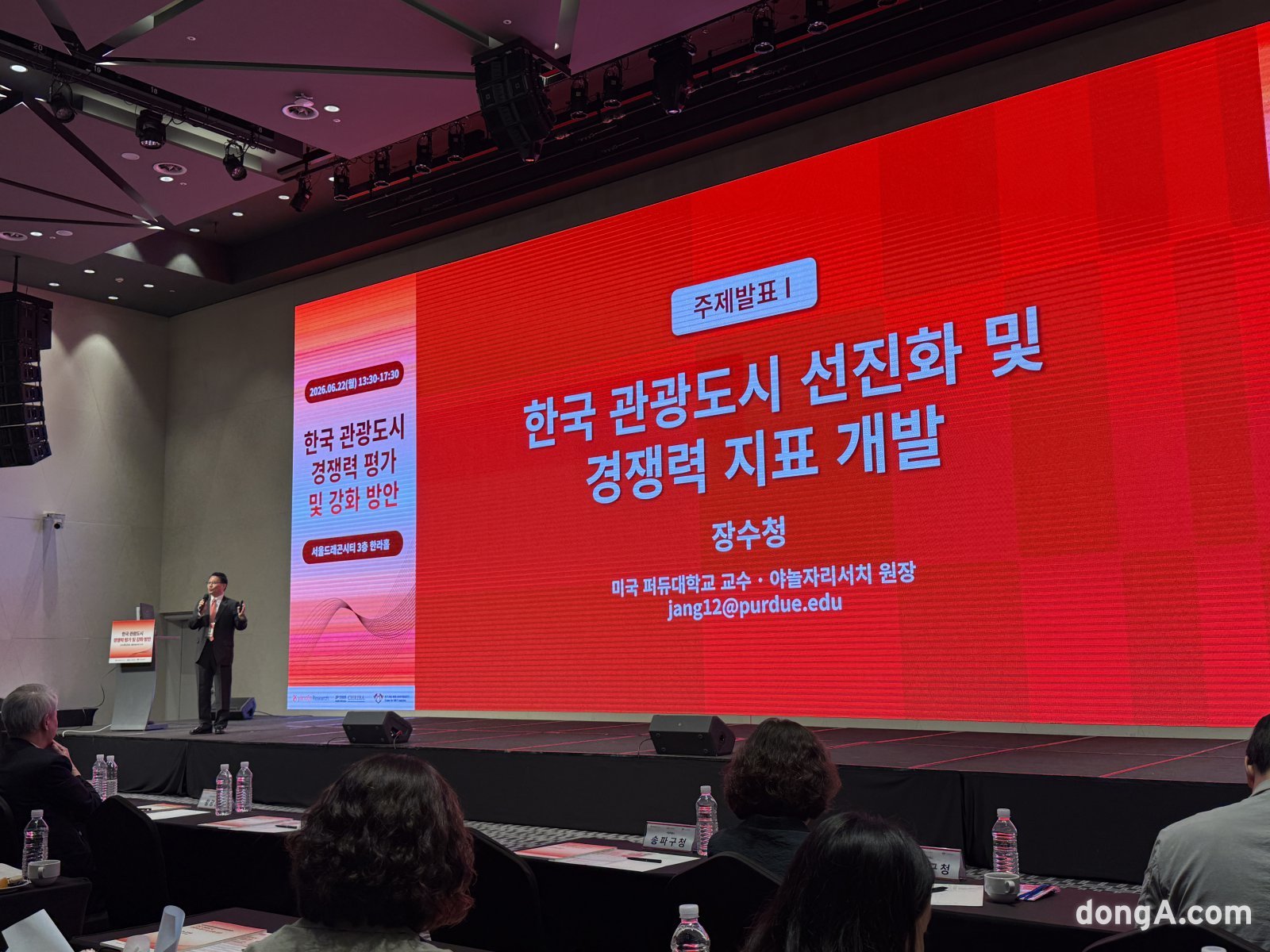
The "Korea Tourism City Competitiveness Index" (YCCI), unveiled for the first time, was developed by Yonhap's research arm, Yonhap Research, in collaboration with Purdue University's CHRIBA Institute and Kyung Hee University's H&T Analytics Center. It analyzed big data from major social media platforms across 255 administrative districts and 20,336 tourist sites nationwide.
While Songpa District secured the overall top spot, Busan's Suyeong District ranked second overall and first in "attractiveness" due to its drone shows and waterfront activities. Other top-ranking areas included Seoul's Yeongdeungpo and Seongdong districts, and Daegu's Jung District. Cities like Gangneung, Sokcho, Gyeongju, and Jeonju also performed well, leveraging their distinct regional identities.
We must not misunderstand that what is convenient for us will also be convenient for foreign tourists.
However, the seminar also highlighted critical challenges facing the Korean tourism industry. Experts pointed out that South Korea, despite its "IT powerhouse" image, operates with an "IT island nation" mentality, where systems are designed for domestic users, creating barriers for foreign visitors. "We must not misunderstand that what is convenient for us will also be convenient for foreign tourists," warned Jang Soo-cheong, director of Yonhap Research.
Furthermore, the establishment of a Tourism Satellite Account (TSA) was deemed urgent. Currently, the tourism industry's contribution to South Korea's GDP is estimated at 3.8%, significantly lower than the global average of 9.1%. Academics suggest the actual contribution could be as high as 8% if measured accurately. Experts also proposed six key strategies for sustainable tourism competitiveness, including diversifying visitors, enhancing branding, optimizing portfolios and promotions, improving infrastructure, and strengthening governance, with a call to shift from sightseeing to experience-based content.
We must shift from sightseeing-focused to experience-focused content.
DistantNews Editorial
Originally published by Dong-A Ilbo in Korean. Translated, summarized, and contextualized by our editorial team with added local perspective. Read our editorial standards.
More Stories

From Our Blog

What Gets Lost (and Found) When News Is Translated

The Critical Role of Diaspora Media in Global News

What Travellers Should Know About Countries with Restricted Press

A Digital Nomad's Guide to Following Local News

How the Same Story Looks Different in Different Countries
