

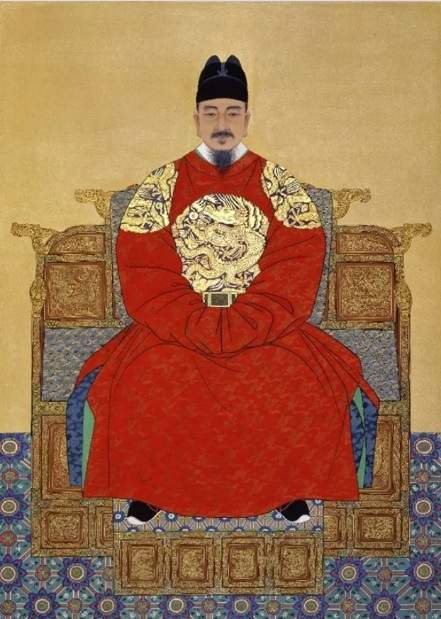
September 3, 1438: King Sejong helps the Jurchen
Translated from Korean and summarized by DistantNews. Read the original for the full story.
At a glance
In-depth
Documents & data
Context piece
- In 1438, King Sejong ordered officials to investigate flood damage among Jurchen communities across the Tumen River.
- Reports said 139 Jurchen homes had been swept away, 15 people had drowned and crops had been destroyed.
- The court chose to provide relief according to the victims’ circumstances, rather than require repayment, presenting the episode as an example of compassion across borders.
For years, the Jurchen had been Joseon’s main enemy. King Sejong launched campaigns against them, expanded the northern frontier and refused proposals to retreat in the face of repeated raids.
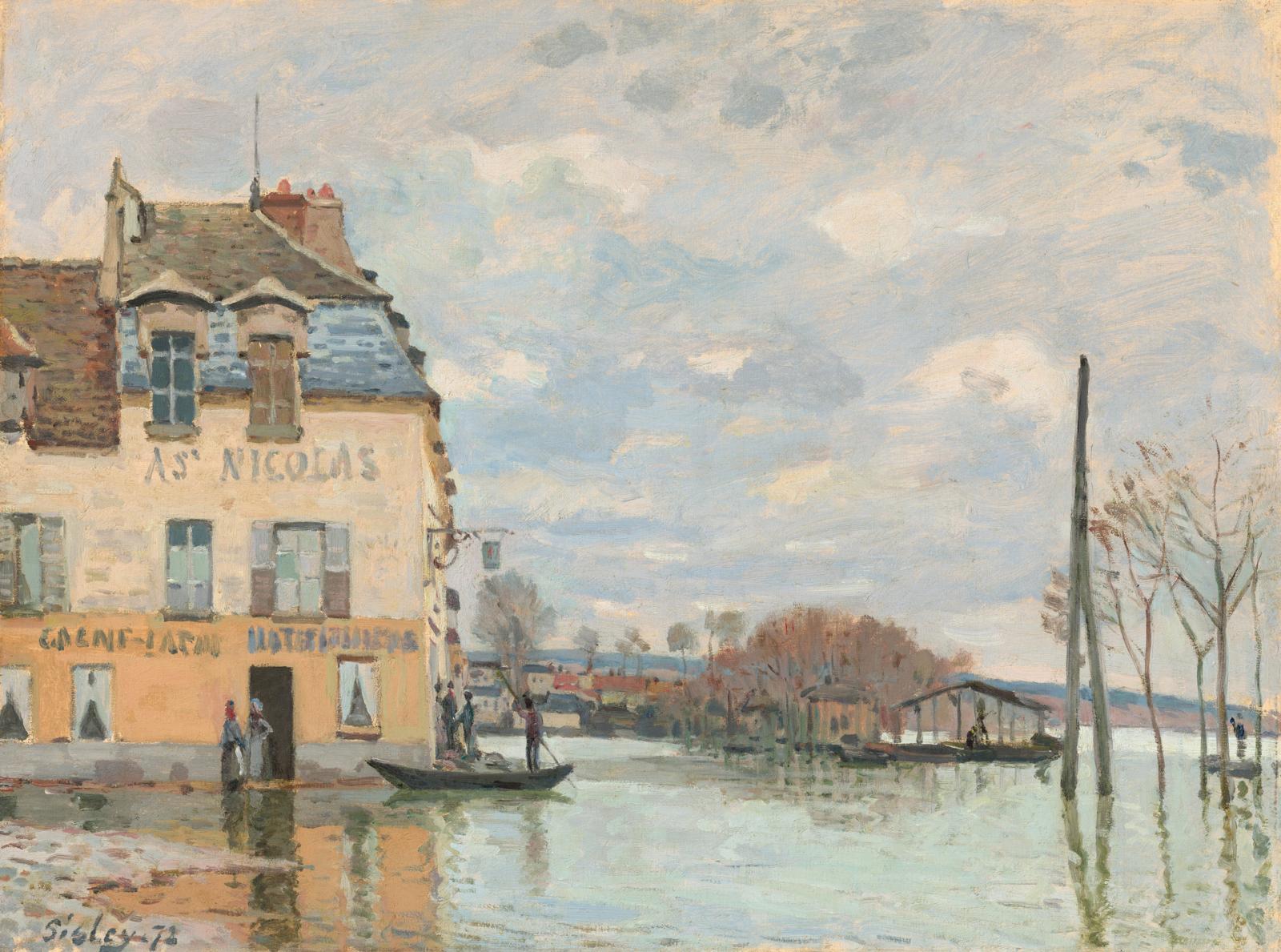
But on September 3, 1438, after heavy rain flooded the area north of Gyeongseong, Sejong ordered the governor of Hamgyeong Province to investigate the disaster across the Tumen River as well. “I heard that heavy rain has flooded the entire area north of Gyeongseong, and I was shocked and saddened,” he said. “We must prepare thoroughly for this disaster and find out whether the supplies stored in the warehouses are sufficient. I also heard that the Jurchen across the Tumen River suffered flood damage, with even their homes swept away, so investigate and report the extent of the damage.”
The inquiry found that 139 Jurchen homes had been swept away, 15 people had drowned and all their crops had suffered flood damage. Kim Jong-seo argued that they should not be left without help simply because they were not Joseon subjects. He initially proposed providing relief with repayment later.
The year’s harvest in Joseon had been good, leaving grain supplies available. Officials concluded that demanding repayment would lessen the recipients’ gratitude, while later forgiving an unpaid debt would bring little joy. They therefore recommended relief suited to the Jurchen’s circumstances from the beginning, and Sejong agreed.
Nearly six centuries later, the lesson remains direct in the telling: disaster does not stop at a border. The account links Sejong’s concern for people across the Tumen River with sympathy for flood victims in Nepal today. Different countries, beliefs and interests do not need to stand between people and help when disaster strikes.
I heard that heavy rain has flooded the entire area north of Gyeongseong, and I was shocked and saddened. We must prepare thoroughly for this disaster and find out whether the supplies stored in the warehouses are sufficient. I also heard that the Jurchen across the Tumen River suffered flood damage, with even their homes swept away, so investigate and report the extent of the damage.
About this summary
Originally published by Dong-A Ilbo in Korean. Translated, summarized, and contextualized automatically by DistantNews, with a note on how the source frames the story. Not individually reviewed before publishing. How this works.
More Stories



From Our Blog

What Gets Lost (and Found) When News Is Translated

The Critical Role of Diaspora Media in Global News

What Travellers Should Know About Countries with Restricted Press

A Digital Nomad's Guide to Following Local News

How the Same Story Looks Different in Different Countries
