

September Changes: Elections, Tax Help, and Consumer Rights Update
Translated from German and summarized by DistantNews. Read the original for the full story.
At a glance
News
From a news agency
New plan
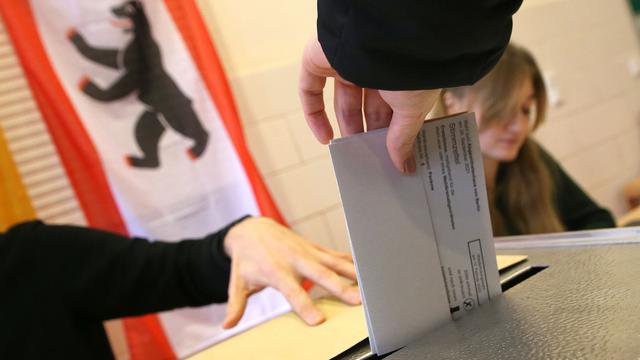
- Three German states will hold elections in September: Saxony-Anhalt on the 6th, and Berlin and Mecklenburg-Vorpommern on the 20th.
- German train stations will begin implementing an alcohol ban starting September 1st, with a full rollout across all 5,400 stations by October 15th.
- New EU regulations effective September 27th will require businesses to substantiate environmental claims and introduce standardized labels for product warranties and voluntary guarantees.
September brings significant changes across Germany, impacting everything from political landscapes to everyday consumer interactions. Voters in three federal states will cast their ballots, marking a key period for regional politics.
Saxony-Anhalt holds its elections on September 6th. Later in the month, on September 20th, both Berlin and Mecklenburg-Vorpommern will go to the polls. These elections are expected to shape the political direction of these states for the coming years.
For travelers, a new rule takes effect regarding alcohol consumption at German train stations. Deutsche Bahn, the state-owned rail company, plans to ban alcohol in all 5,400 of its stations. The process begins on September 1st, with initial stations like Berlin Hauptbahnhof, Berlin Gesundbrunnen, Kiel, and Braunschweig becoming alcohol-free. The full implementation across all stations is scheduled for completion by October 15th.
Taxpayers may find it easier to access assistance. Lohnsteuerhilfevereine, or income tax assistance associations, will be allowed to advise a broader range of individuals. Previously, limitations existed for those with certain types of income, such as rental or capital gains. These income caps are being removed, potentially allowing around 35,500 more taxpayers to utilize these services, according to the Finance Ministry.
Consumer rights are also getting a boost with new EU-wide regulations taking effect on September 27th. Two standardized labels will help shoppers quickly identify their rights regarding faulty products. The 'warranty label' will inform consumers of their minimum two-year legal right to repair or replacement for defective goods. Additionally, a 'GARAN-label' will clearly indicate the duration of any voluntary manufacturer guarantees, ensuring consumers know how long a product is expected to function correctly and be eligible for free repair or replacement.
About this summary
Originally published by Die Zeit in German. Translated, summarized, and contextualized automatically by DistantNews, with a note on how the source frames the story. Not individually reviewed before publishing. How this works.
More Stories


From Our Blog

What Gets Lost (and Found) When News Is Translated

How the Same Story Looks Different in Different Countries

The Critical Role of Diaspora Media in Global News

What Travellers Should Know About Countries with Restricted Press

A Digital Nomad's Guide to Following Local News
