


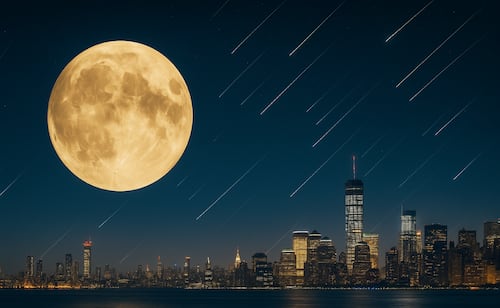
 Image: Creada con IA (ChatGPT
September’s astronomical calendar brings meteor showers, a supermoon and planetary encounters to Mexico
Translated from Spanish and summarized by DistantNews. Read the original for the full story.
At a glance
Explainer
Documents & data
Context piece
- September’s sky over Mexico will feature Saturn at opposition, a close Moon-Venus encounter and the autumnal equinox.
- The September Perseids will peak from Sept. 9 to 11, while the Harvest Moon supermoon will occur on Sept. 29.
- Clear, dark locations away from city lights and favorable weather conditions will improve viewing opportunities.
September offers Mexican skywatchers a full calendar of visible celestial events, from Saturn’s brightest appearance of the year to the final supermoon of the year.
Saturn reaches opposition on Sept. 8, placing the ringed planet at its closest position to Earth and making it visible throughout the night. The event provides particularly favorable conditions for telescope observations, according to the astronomy site Star Walk.
Before dawn on Sept. 19, the crescent Moon will appear close to Venus above the eastern horizon in a lunar conjunction and occultation event. The autumnal equinox follows on Sept. 22 at 12:05 p.m. Central Mexico time. At that moment, day and night will have equal duration worldwide.
The September Perseid meteor shower will reach its highest activity between Sept. 9 and 11, peaking in the early hours of Sept. 9. Under skies with little light pollution, observers may see an average of five to seven meteors per hour.
The month ends with the Harvest Moon supermoon on Sept. 29. The full Moon will coincide with perigee, the point in its orbit closest to Earth. NASA says the Moon can appear 14% larger and 30% brighter than usual. Specialized organizations recommend watching from areas away from urban lights and checking local weather conditions.
About this summary
Originally published by El Universal in Spanish. Translated, summarized, and contextualized automatically by DistantNews, with a note on how the source frames the story. Not individually reviewed before publishing. How this works.
More Stories

From Our Blog

What Press Freedom Means for the News You Read

What Gets Lost (and Found) When News Is Translated

The Critical Role of Diaspora Media in Global News

What Travellers Should Know About Countries with Restricted Press

A Digital Nomad's Guide to Following Local News
