

 Image: Especial
Mexico City PAN opens debate on dignified death but rejects active euthanasia and assisted suicide
Translated from Spanish and summarized by DistantNews. Read the original for the full story.
At a glance
News
Named sources
Ongoing story
- Mexico City’s PAN parliamentary group said it would review a proposed dignified-death initiative but rejected active euthanasia and medically assisted suicide.
- The party supports advance directives, the refusal of burdensome treatment and expanded palliative care and pain medication.
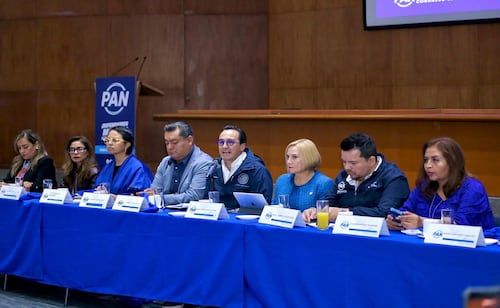
- Coordinator Andrés Atayde said the group would determine the proposal’s scope before publicly announcing its vote.
Mexico City’s PAN parliamentary group has agreed to examine a proposal on dignified death, while drawing a firm line against active euthanasia and medically assisted suicide.
Group coordinator Andrés Atayde said the party supports allowing people to decide in advance which treatments and forms of care they do or do not want before death. Mexico City already has an Advance Directive Law, he noted, and people who feel they are losing control over the end of their lives should be heard and supported humanely.
Atayde said stopping burdensome treatments or disproportionate therapeutic interventions can be legitimate when they only prolong life artificially. In that situation, he argued, the decision does not cause death but accepts that it cannot be prevented and allows the natural process to continue.
But talking about direct active euthanasia, medically assisted suicide, orthothanasia or dysthanasia is talking about something else.
He contrasted that position with active euthanasia, assisted suicide, orthothanasia and dysthanasia. The PAN’s preferred response to suffering at the end of life, he said, is access to palliative care and universal access to medicines that control pain.
The group will study the initiative submitted to the local Congress on the previous Friday to determine whether it proposes direct active euthanasia or another procedure. Atayde said the party would then announce its vote publicly and in advance, in line with its institutional position.
The PAN also presented a legislative agenda containing 86 proposals across 12 strategic areas. It said the agenda drew on national PAN proposals, individual lawmakers’ agendas, agreements from its plenary meeting and demands gathered during lawmakers’ visits across the city.
The party’s humanist response to suffering at the end of life, that is, what is ideal for a community with an optimal health system, involves palliative care and universal access to medicines for pain control.
About this summary
Originally published by El Universal in Spanish. Translated, summarized, and contextualized automatically by DistantNews, with a note on how the source frames the story. Not individually reviewed before publishing. How this works.
More Stories

From Our Blog

What Press Freedom Means for the News You Read

What Gets Lost (and Found) When News Is Translated

The Critical Role of Diaspora Media in Global News

What Travellers Should Know About Countries with Restricted Press

A Digital Nomad's Guide to Following Local News
