

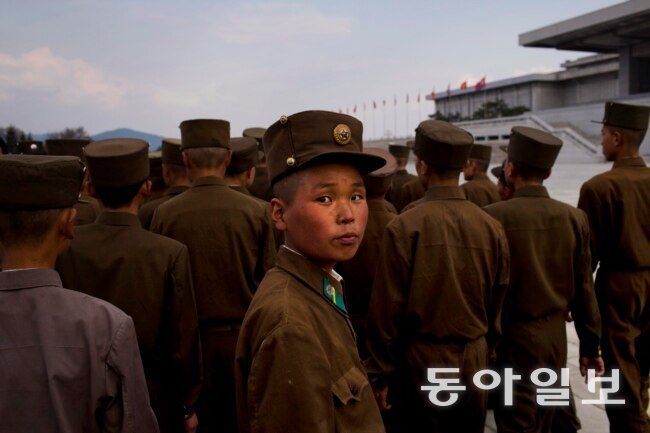

Setting straight common misconceptions about a post-OPCON Korea
Translated from Korean, summarized and contextualized by DistantNews.
At a glance
Explainer
Named sources
Context piece
- South Korea and the US have agreed on a future combined forces command structure post-wartime operational control (OPCON) transfer, maintaining a joint command.
- Under this new structure, a South Korean general will lead the combined forces, with a US general serving as deputy, mirroring the current command setup.
- The transfer of OPCON means a South Korean commander will direct operations for a portion of US Forces Korea as outlined in specific operational plans.
Common misconceptions surrounding South Korea's regaining of wartime operational control (OPCON) of its armed forces are being addressed, particularly regarding the future of the Combined Forces Command (CFC) and the command structure between South Korean and US forces.
Contrary to claims that the CFC will be dismantled, a new agreement solidifies a "future Combined Forces Command." This structure, established during the Moon Jae-in administration, will maintain a joint command, similar to the current CFC. A four-star general from the South Korean Army will serve as commander, while a four-star general from the US Army will hold the deputy commander position. This arrangement replaces the current system where a US general leads the CFC with a South Korean deputy.
While the South Korean commander will lead the combined forces, their authority over US Forces Korea (USFK) will be limited to specific operational plans (OPLANs). The US will retain operational control over other US forces stationed on the peninsula. This nuanced division of authority aims to ensure a coordinated defense posture while reflecting South Korea's increased role in its own security.
DistantNews Editorial
Originally published by Hankyoreh in Korean. Translated, summarized, and contextualized by our editorial team with added local perspective. Read our editorial standards.
More Stories
From Our Blog

What Gets Lost (and Found) When News Is Translated

The Critical Role of Diaspora Media in Global News

What Travellers Should Know About Countries with Restricted Press

A Digital Nomad's Guide to Following Local News

How the Same Story Looks Different in Different Countries
