


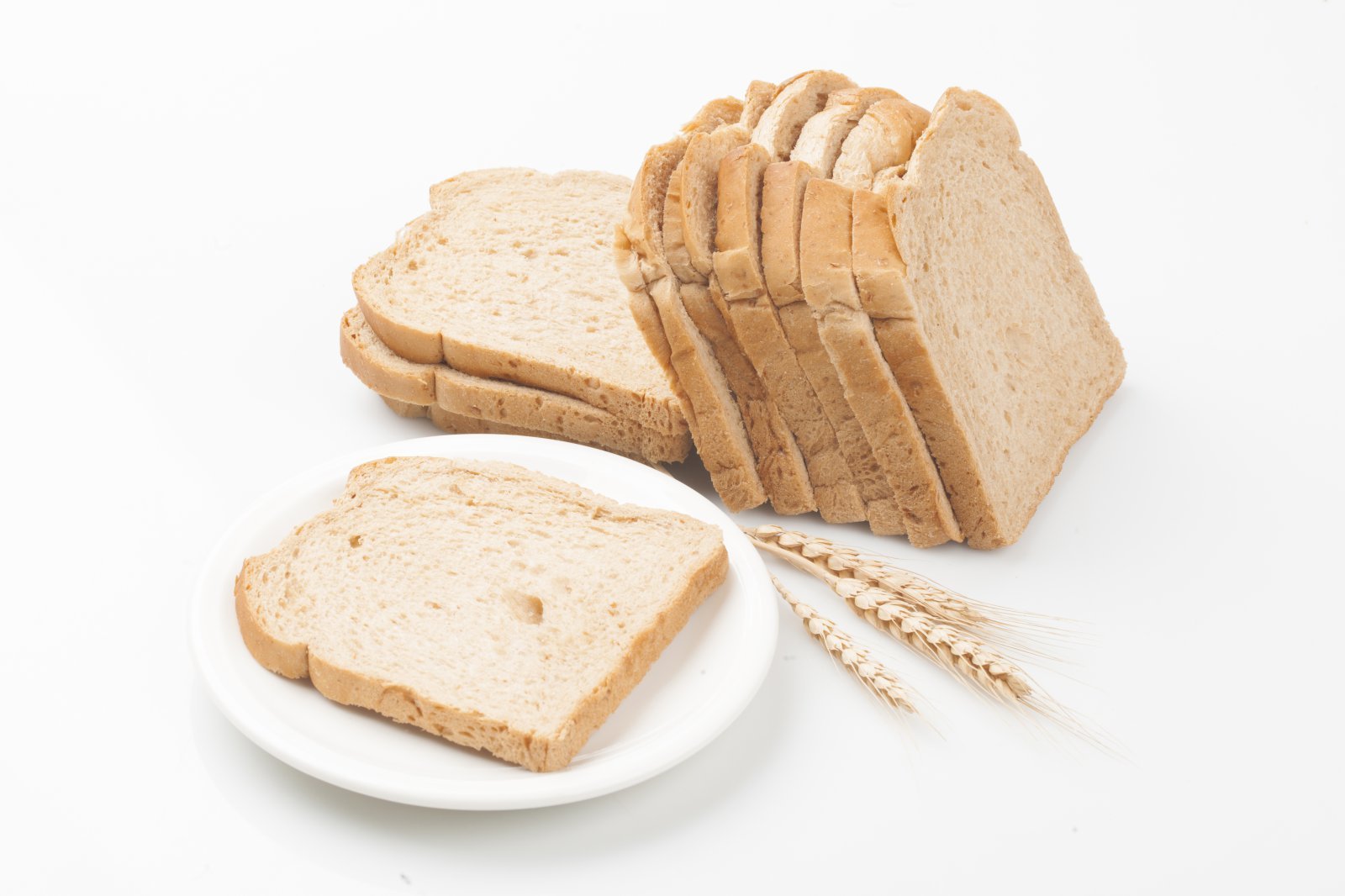
Severe Post-Meal Sleepiness May Signal Pre-Diabetes, Experts Warn
Translated from Korean, summarized and contextualized by DistantNews.
At a glance
News
Sources not specified
Context piece
- Experiencing severe sleepiness or fatigue after meals could indicate 'blood sugar spikes,' a precursor to diabetes.
- These spikes occur when blood sugar rises rapidly after eating, potentially leading to temporary hypoglycemia and symptoms like dizziness or irritability.
- Managing blood sugar through diet, exercise, and monitoring can help prevent diabetes and related complications.
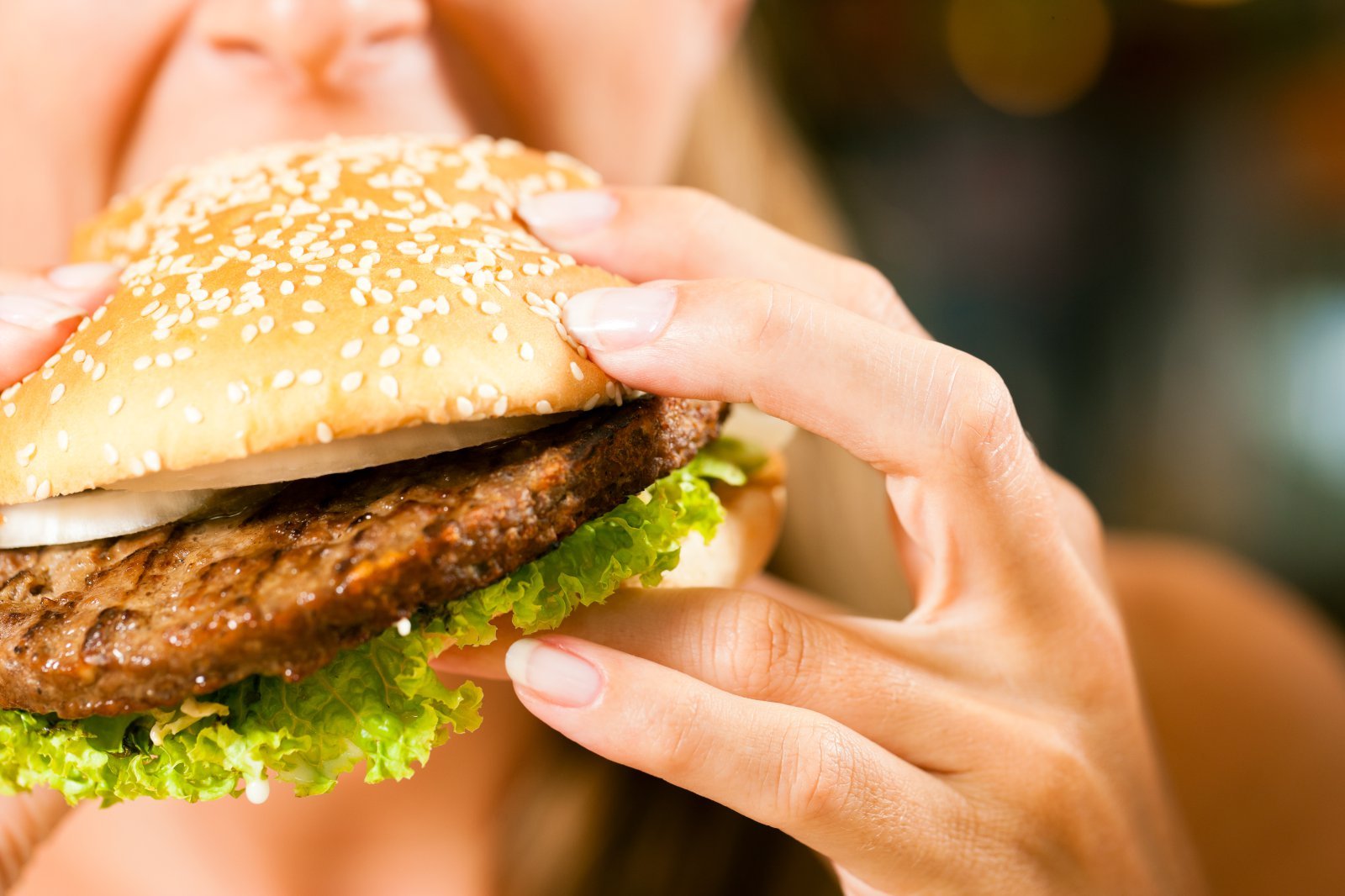
A 40-year-old office worker in Seoul, identified as Mr. A, found himself increasingly struggling with overwhelming sleepiness after meals. Initially dismissing it as seasonal fatigue, the persistent nature of the drowsiness prompted him to seek medical attention. It was then he learned that 'blood sugar spikes', a phenomenon often seen in pre-diabetic individuals, were the likely cause.
Medical experts explain that a blood sugar spike refers to a rapid increase in blood glucose levels shortly after eating. Normally, the pancreas releases insulin to regulate blood sugar by moving glucose from the blood into cells. However, when insulin is insufficient or ineffective, blood sugar can rise abnormally. Persistent high blood sugar levels can lead to diabetes.
This cycle of fluctuating blood sugar can cause temporary drops, leading to significant sleepiness and fatigue. Some individuals may also experience dizziness, headaches, anxiety, or irritability as their brain struggles to get enough energy. Blurred vision can also occur temporarily as high blood sugar causes the eye's lens to swell, affecting sight.
To mitigate these risks, experts advise individuals, especially those with a family history of diabetes or weight concerns, to manage their blood sugar proactively. This includes reducing intake of refined carbohydrates, processed foods, and sugary drinks, while increasing consumption of fiber-rich whole grains and vegetables. Opting for foods like oily fish, chicken, and nuts, which have less impact on blood sugar, is also recommended.
Furthermore, light physical activity after meals, particularly within 30 to 60 minutes when blood sugar levels are typically highest, can help moderate the rise. Keeping a log of food intake, symptoms, and blood sugar readings can provide valuable insights into personal blood sugar patterns and aid in future medical consultations.
DistantNews Editorial
Originally published by Dong-A Ilbo in Korean. Translated, summarized, and contextualized by our editorial team with added local perspective. Read our editorial standards.
More Stories

From Our Blog

What Gets Lost (and Found) When News Is Translated

The Critical Role of Diaspora Media in Global News

What Travellers Should Know About Countries with Restricted Press

A Digital Nomad's Guide to Following Local News

How the Same Story Looks Different in Different Countries
