

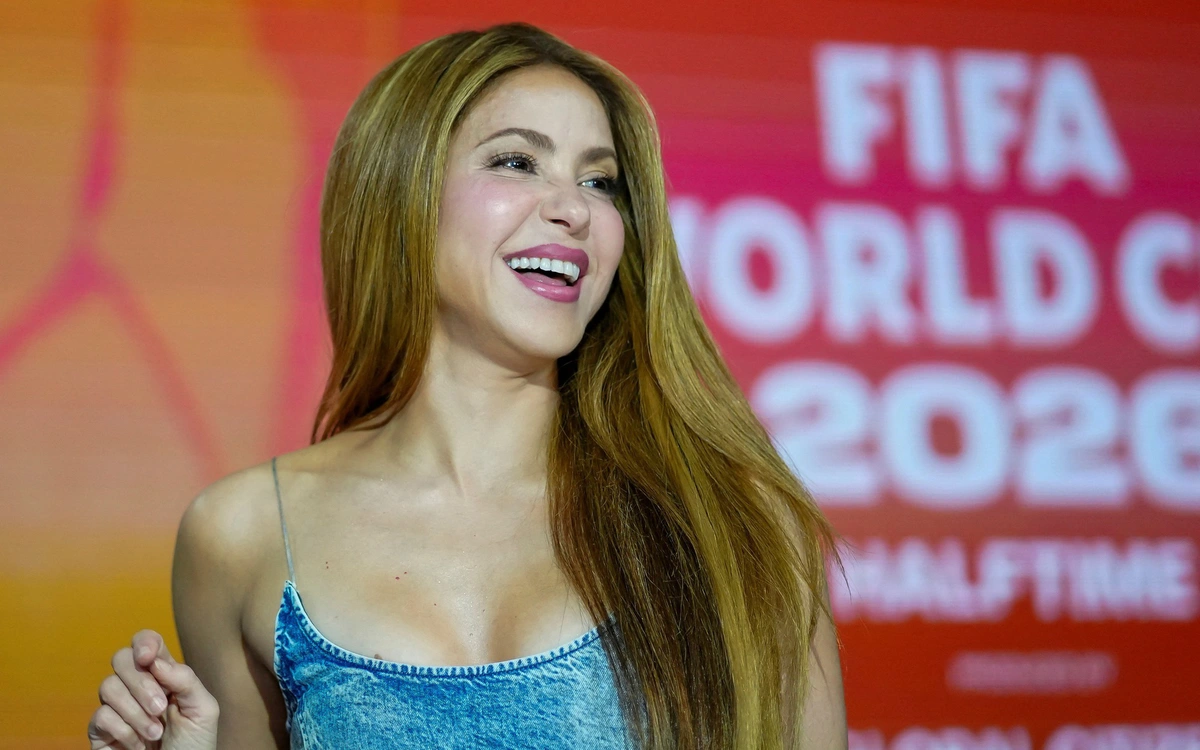
Shakira calls World Cup a 'magical' connection shaping her life
Translated from Vietnamese, summarized and contextualized by DistantNews.
At a glance
News
Named sources
Context piece
- Shakira's performance at the 2026 World Cup opening ceremony has gone viral, with her song
Shakira's connection to the World Cup is a lifelong affair, deeply influencing her career and personal life. The Latin music superstar's latest performance at the 2026 World Cup opening ceremony in Mexico City, featuring the song "Dai Dai" with Burna Boy, has once again captured global attention. The music video has garnered nearly 165 million views, while the live performance quickly surpassed 30 million views.
This marks Shakira's fourth appearance at the world's biggest football tournament. Her journey with the World Cup began at the 2006 event with "Hips Don't Lie." In 2010, she released "Waka Waka (This Time for Africa)" in South Africa, a World Cup that profoundly impacted her life, notably leading to her meeting former footballer Gerard Piqué. She affectionately calls her children "Waka babies," inspired by the song.
It's crazy that I have a connection that seems unbreakable. Every World Cup is something very magical for me.
Her involvement continued in 2014 with "La La La (Brazil 2014)" during the Brazil World Cup, a performance she undertook while pregnant. Reflecting on this enduring connection, Shakira told People magazine, "It's crazy that I have a connection that seems unbreakable. Every World Cup is something very magical for me."
Looking ahead, Shakira is also slated to perform at the FIFA World Cup 2026 Final Halftime Show in the United States, sharing the stage with Madonna and BTS. This event will pioneer a large-scale entertainment format for a World Cup halftime show. Shakira previously shared her formula for a successful World Cup anthem with AP, stating it needs rhythm, a danceable beat, and must function as a "hymn" that encourages mass singalongs.
A good World Cup song needs rhythm, a beat. It has to make people want to dance and it has to be an anthem. It has to make people want to sing along together, sing it out loud.
DistantNews Editorial
Originally published by Tuổi Trẻ in Vietnamese. Translated, summarized, and contextualized by our editorial team with added local perspective. Read our editorial standards.
More Stories
From Our Blog

What Gets Lost (and Found) When News Is Translated

The Critical Role of Diaspora Media in Global News

What Travellers Should Know About Countries with Restricted Press

A Digital Nomad's Guide to Following Local News

How the Same Story Looks Different in Different Countries
