

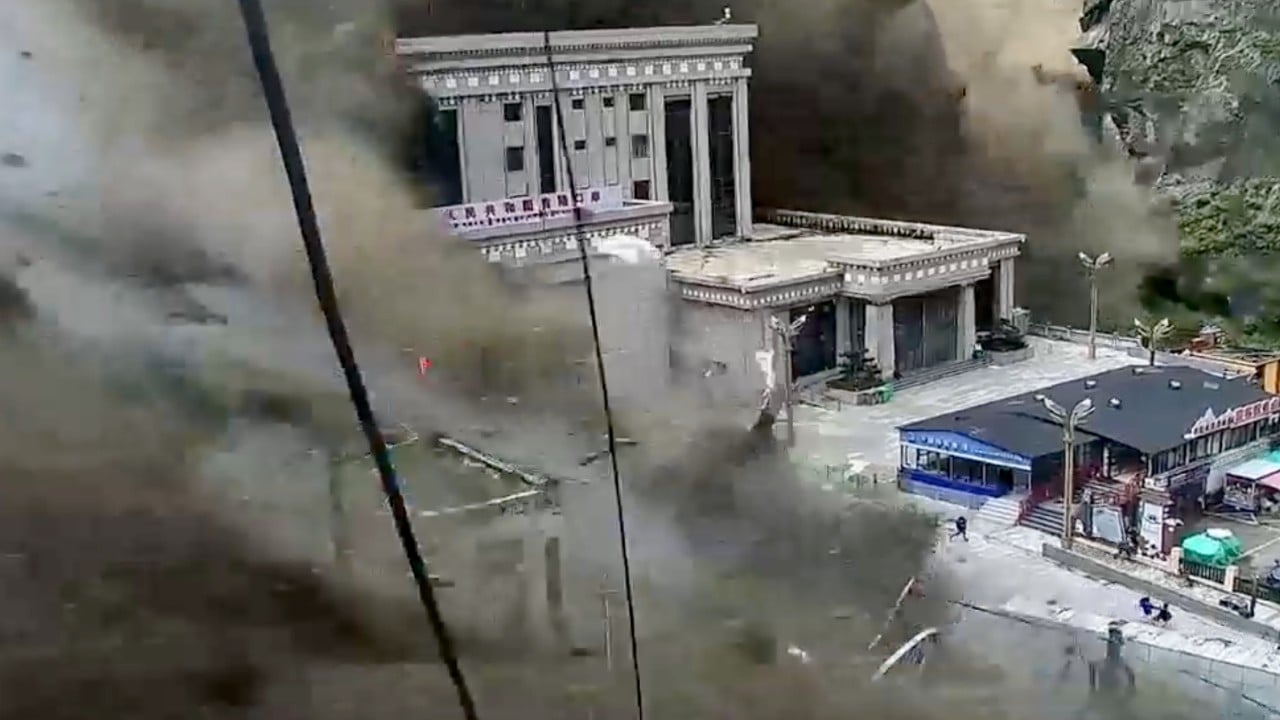

Shanxi mine disaster kills 82, overshadowing province's shift from coal
Translated from English and summarized by DistantNews. Read the original for the full story.
At a glance
News
Sources not specified
Outcome reported
- A gas explosion at the Liushenyu Coal Mine in Shanxi, China, killed at least 82 people, making it the country's deadliest mining accident in nearly two decades.
- The disaster highlights systemic safety failures, governance, and regulatory challenges within China's coal sector.
- The accident casts a shadow over Shanxi province's efforts to rebrand itself from a coal-dependent region to a cultural and tourist destination.
Shanxi, China's primary coal-producing province, is grappling with the aftermath of a devastating gas explosion at the Liushenyu Coal Mine that claimed at least 82 lives. This incident marks the deadliest mining accident in China in nearly two decades and has cast a dark shadow over the province's ambitious plans to transition from a polluting, high-risk coal hub to a vibrant cultural and tourist destination.
steadily and in an orderly manner advance its transformation and development
The explosion, attributed by industry insiders to systemic safety failures, has brought renewed scrutiny to the deeply entrenched safety, governance, and regulatory issues plaguing the nation's vital coal sector. This comes just a day after provincial leaders outlined Shanxi's next five-year development plan, emphasizing a commitment to "steadily and in an orderly manner advance its transformation and development."
accelerate its energy transition, promote the upgrading of traditional industries, and foster emerging and future industries tailored to local conditions.
Governor Lu Dongliang had articulated a vision for accelerating the energy transition, upgrading traditional industries, and fostering new sectors like non-coal minerals, agriculture, culture, tourism, and healthcare. The goal was to leverage Shanxi's abundant raw energy and resources for sustainable development. However, the stark reality of the mine disaster now complicates this narrative, underscoring the immense challenges in balancing economic necessity with safety and environmental responsibility.
tap into more advantageous sectors – such as non-coal minerals, agriculture, culture and tourism, healthcare and the environment – to turn its strengths in raw energy and resources into sustainable development.
About this summary
Originally published by South China Morning Post in English. Translated, summarized, and contextualized automatically by DistantNews, with a note on how the source frames the story. Not individually reviewed before publishing. How this works.
More Stories

From Our Blog

Countries Without a Free Press: The 2026 List and What It Means for Readers

What Press Freedom Means for the News You Read

News in Translation: What Gets Lost, and How We Keep the Framing

Diaspora Media: How Communities Abroad Follow Home

Traveling Where the Press Is Not Free: How to Read the News There
