


Shared housing in Tanzanian cities shapes child-rearing dynamics
Translated from Swahili, summarized and contextualized by DistantNews.
At a glance
In-depth
Sources not specified
Context piece
- Many children in Tanzanian cities grow up in close proximity due to housing shortages and economic challenges, influencing their development.
- Experts note that neighborhood environments significantly shape children's behavior, values, language, and aspirations through observation and imitation.
- While shared living spaces can foster respect and cooperation, they can also expose children to negative influences like foul language and substance abuse if not managed well.
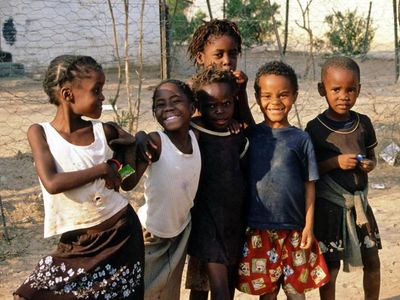
In Tanzania's urban centers, the reality of shared housing is shaping the upbringing of many children. Economic pressures and rapid urbanization have led to families living in close quarters, often within single houses or compounds. This environment means children are not solely raised by their parents but are also significantly influenced by their neighbors and the community around them.
Child development psychologists emphasize that these neighborhood settings play a crucial role in molding a child's character, ethics, language, and life goals. Children learn by watching, listening, and imitating adults and peers. In shared housing, children encounter diverse backgrounds, cultures, and attitudes. This exposure can be beneficial, fostering lessons in respect, cooperation, and understanding differences, provided the environment is built on mutual respect and shared values.
However, these same close-knit living arrangements can present challenges. Children may be exposed to detrimental behaviors such as foul language, frequent arguments, alcohol and drug abuse, or general indiscipline. These influences can significantly impact a child's thinking and actions. Parents must remember that children often absorb what they see daily more readily than what they are told.
Another challenge is the reduced time parents spend with their children due to work demands. This can lead to children spending more time with friends or neighbors, potentially exposing them to peer pressure and values that conflict with those taught at home. Despite these environmental factors, experts stress that a child's future is not solely determined by their surroundings. Parental involvement remains the most critical element in a child's upbringing. Open communication between parents and children is vital, allowing children to share challenges and receive guidance. Regular conversations also help parents understand their children's social circles and concerns.
DistantNews Editorial
Originally published by Mwananchi in Swahili. Translated, summarized, and contextualized by our editorial team with added local perspective. Read our editorial standards.
More Stories



From Our Blog

What Gets Lost (and Found) When News Is Translated

The Critical Role of Diaspora Media in Global News

What Travellers Should Know About Countries with Restricted Press

A Digital Nomad's Guide to Following Local News

How the Same Story Looks Different in Different Countries
