


Sharing YKS results risks data theft, fraud, experts warn
Translated from Turkish, summarized and contextualized by DistantNews.
At a glance
News
Named sources
Context piece
- Turkish cybersecurity experts warn students sharing their 2026 YKS university entrance exam results online.
- Sharing these results exposes personal data, making students vulnerable to fraud and identity theft.
- Experts advise students to obscure sensitive information like ID numbers and addresses on shared documents.
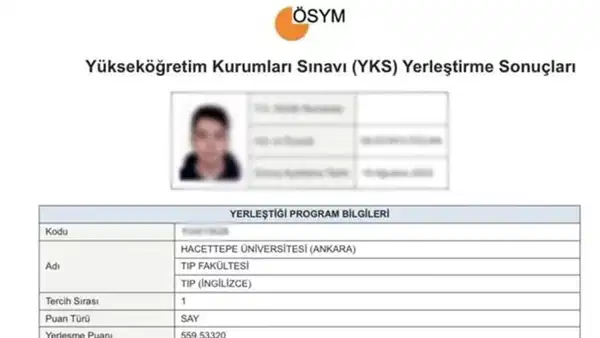
Cybersecurity experts in Turkey are urging students to exercise extreme caution when sharing their 2026 Higher Education Institutions Exam (YKS) results online. While the excitement of university admissions is high, sharing result documents can inadvertently expose students to significant risks of cyber fraud and identity theft.
Many students, in their joy, post their university placement results on social media. However, experts point out that these seemingly innocent displays of achievement can attract fraudsters. The personal data contained within these documents, such as names, exam scores, and placement details, can be exploited by criminals. These fraudsters may then contact students, posing as representatives from banks or insurance companies, to gain their trust.
Osman Demircan, an IT expert speaking to NTV, emphasized the severity of sharing such information. "The exam forms contain very serious personal information, and sharing them openly means handing over significant data to fraudsters," he stated. Demircan explained that criminals use this data to build credibility, potentially leading to scams related to banking or insurance. The accuracy of personal details provided over the phone can make these fraudsters appear legitimate.
Furthermore, scammers are known to tailor their strategies based on the specific university and program a student has been accepted into. For instance, if a student is admitted to a university in a particular city, they might receive targeted offers for scholarships or student housing in that area. Demircan noted that such personalized messages are strong indicators that personal data has been compromised. To mitigate these risks, experts strongly advise students to obscure critical personal information, including their national ID numbers and addresses, before sharing any documents online. Protecting this data is crucial to minimizing the chances of falling victim to fraud.
Paylaşılan sınav sonuçlarının dolandırıcıların yoğun ilgisini çektiğini ve belgelerin üzerindeki kişisel veriler aracılığıyla öğrencilerle iletişime geçildiğini belirtiyor.
DistantNews Editorial
Originally published by Cumhuriyet in Turkish. Translated, summarized, and contextualized by our editorial team with added local perspective. Read our editorial standards.
More Stories



From Our Blog

What Gets Lost (and Found) When News Is Translated

The Critical Role of Diaspora Media in Global News

What Travellers Should Know About Countries with Restricted Press

A Digital Nomad's Guide to Following Local News

How the Same Story Looks Different in Different Countries
