


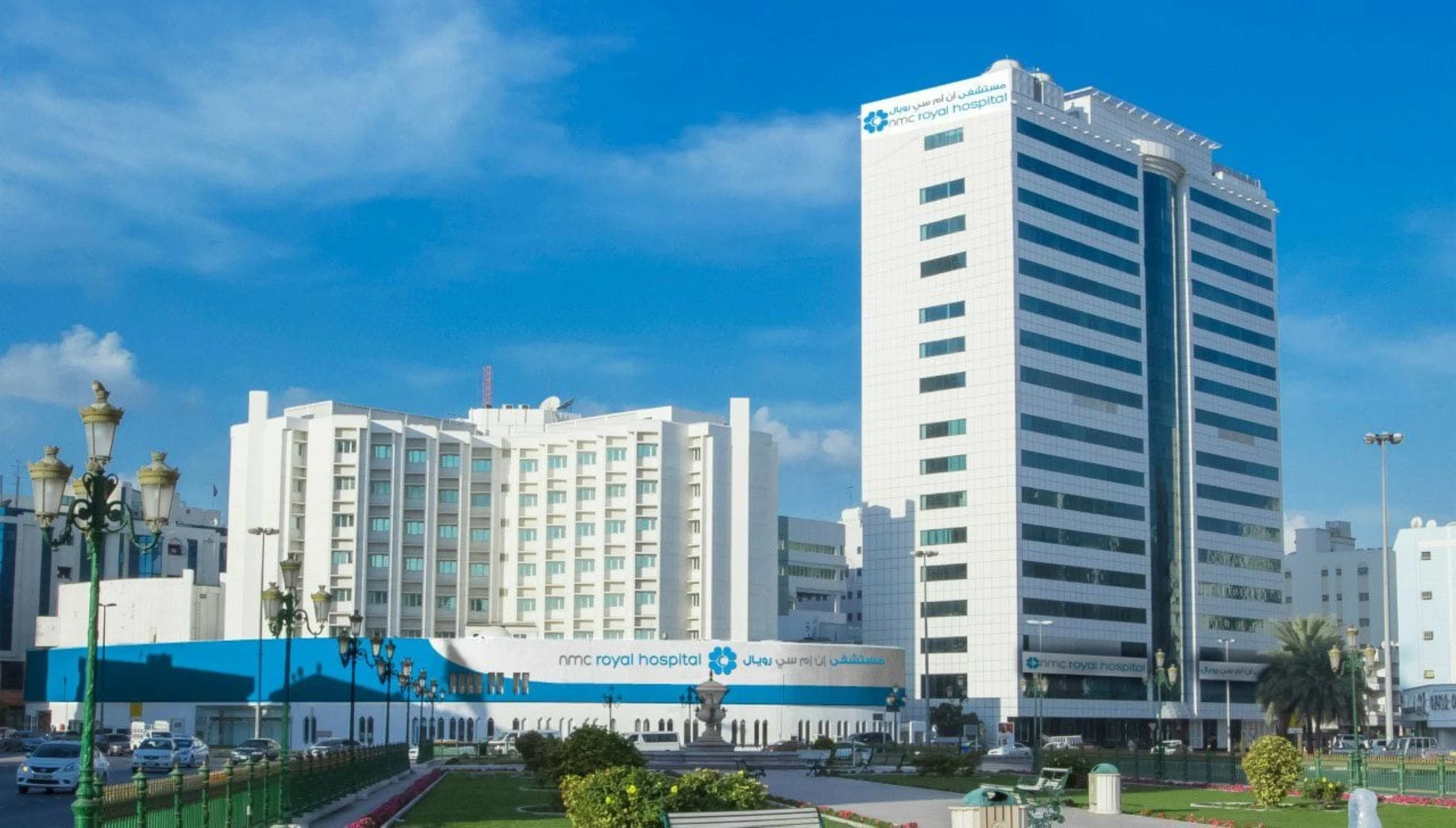
Sharjah Doctors Diagnose Rare Arteritis After Initial Infection Misdiagnosis
Translated from English, summarized and contextualized by DistantNews.
TLDR
- Doctors at NMC Royal Hospital Sharjah diagnosed a rare, life-threatening condition in a 33-year-old woman whose symptoms initially mimicked a severe infection.
- The patient presented with high fever and body aches, but further investigation revealed an abnormality in her aorta, leading to a diagnosis of Takayasu arteritis.
- Timely intervention and targeted treatment helped reduce the risk of complications and improved the patient's outcome.
In a remarkable display of medical expertise, doctors at NMC Royal Hospital Sharjah have successfully diagnosed and treated a rare and potentially fatal condition in a 33-year-old patient. The case, which initially presented as a severe infection, highlights the critical importance of astute clinical judgment and thorough investigation when symptoms don't align with initial assessments.
The patient's symptoms, including high fever and severe body aches, along with concerning blood test results and organ involvement, strongly suggested an infectious illness. However, the medical team, led by Dr. Muhammed Azhar Abdullah, recognized that the clinical picture was not entirely consistent with a standard infection. Their persistence in seeking an alternative cause, despite extensive testing for infection, ultimately led to the discovery of Takayasu arteritis, a rare inflammatory disease affecting the major arteries.
This successful diagnosis underscores the advanced capabilities of NMC Royal Hospital Sharjah in managing complex and rare medical conditions. The case serves as a testament to the power of combining cutting-edge diagnostics with strong clinical observation and a multidisciplinary approach. Early recognition of conditions like Takayasu arteritis is crucial, as delays in diagnosis can lead to severe complications such as stroke and organ damage. The hospital's commitment to patient care and its team's dedication to unraveling challenging medical mysteries have once again proven invaluable.
Cases like this show that medicine is not only about advanced technology, but also about careful observation and clinical judgment. When symptoms do not fully fit the expected diagnosis, it is important to pause and reassess. Early recognition of Takayasu arteritis can make a significant difference to outcomes, and in this case, teamwork and attention to subtle signs helped us reach the correct diagnosis in time.
DistantNews Editorial
Originally published by Gulf Today in English. Translated, summarized, and contextualized by our editorial team with added local perspective. Read our editorial standards.
More Stories


From Our Blog

What Gets Lost (and Found) When News Is Translated

The Critical Role of Diaspora Media in Global News

What Travellers Should Know About Countries with Restricted Press

A Digital Nomad's Guide to Following Local News

How the Same Story Looks Different in Different Countries
