



Sharma sworn-in as chief justice amid backlash over seniority bypass
Summarized by DistantNews. Read the original for the full story.
At a glance
News
Named sources
Context piece
- Manoj Kumar Sharma was sworn in as chief justice despite controversy over bypassing seniority in his selection process.
- The Constitutional Council recommended Sharma, who was fourth on the seniority list, by a majority vote, facing reservations from some members.
- The parliamentary hearing process was unusually swift, with concerns raised about the handling of complaints and the review period for legal documents.
The Kathmandu Post reports on a significant development within Nepal's judiciary: the swearing-in of Manoj Kumar Sharma as chief justice. This event, however, is overshadowed by considerable controversy surrounding the bypassing of long-standing seniority traditions in his appointment. The recommendation by the Prime Minister Balendra Shah-led Constitutional Council, which placed Sharma fourth on the seniority list, was made by a majority vote, indicating internal divisions and reservations among council members.
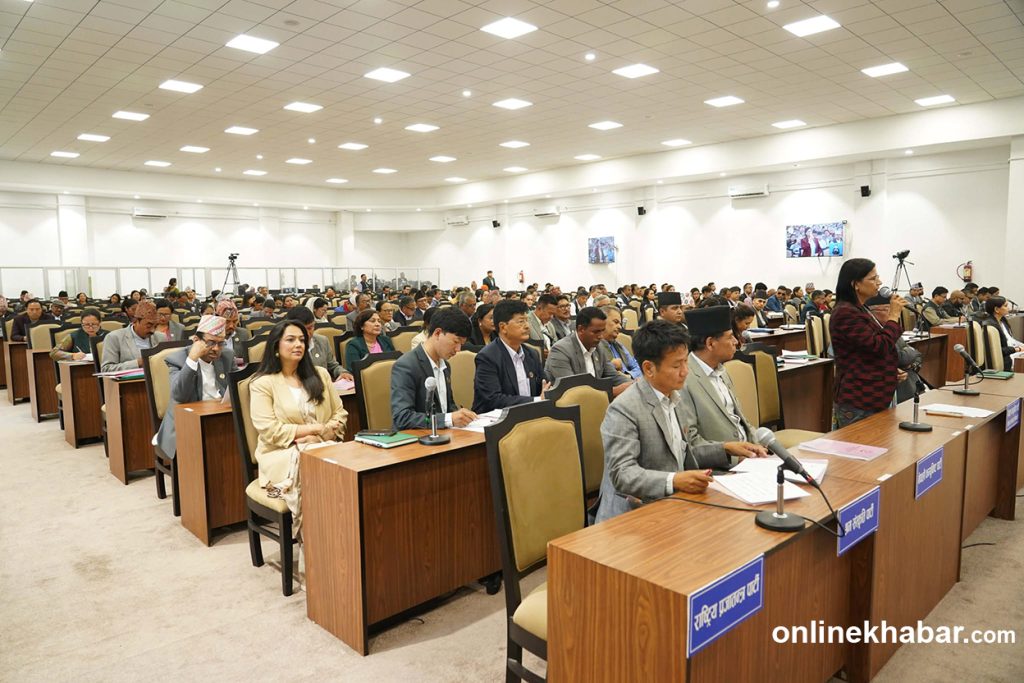
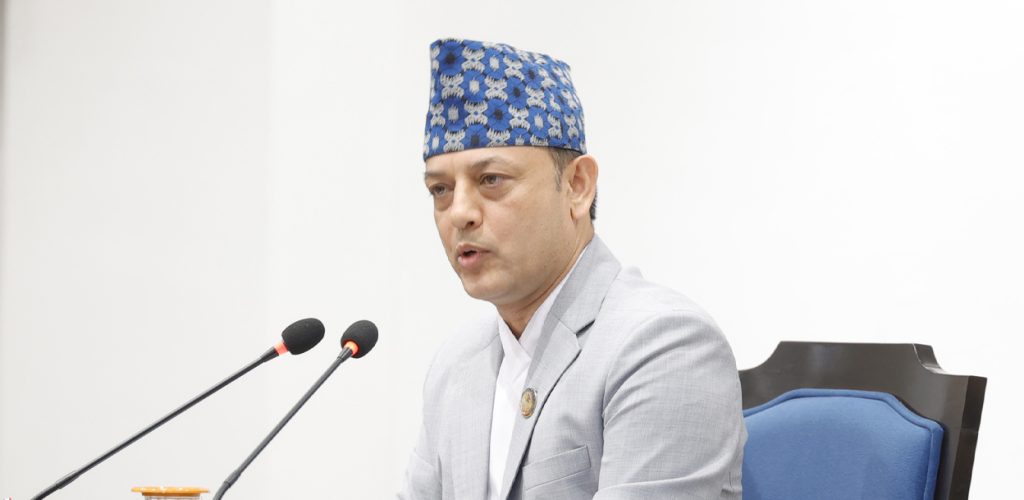
Manoj Kumar Sharma took charge as chief justice of the Supreme Court on Tuesday with unopposed endorsement from the Parliamentary Hearing Committee, even as the judiciary remains divided over the bypassing of seniority in the selection process.
Compounding these concerns is the unusually swift parliamentary hearing process. While tradition dictates a period for reviewing complaints and allowing thorough deliberation, the committee, chaired by a lawmaker from the ruling party, expedited discussions. Representatives from major political parties, including the Nepali Congress, abstained from the final endorsement, signaling their unease with the process. The Kathmandu Post notes that this rapid conclusion, particularly the immediate discussion of complaints without adequate review time, deviates sharply from established practices.
The Prime Minister Balendra Shah-led Constitutional Council, on May 7, recommended Sharma, who was fourth on the seniority list, by a majority vote, despite reservations from two of the six members.
During the hearing, Sharma faced pointed questions regarding his past decisions, academic qualifications, and adherence to constitutional requirements. While he presented a 19-point work plan, pledging to reduce the backlog of cases—a promise echoed by previous chief justices—his commitment to present progress reports every four months suggests he will operate under increased scrutiny. The Nepal Bar Association's symbolic protests further highlight the deep divisions and concerns within the legal fraternity regarding this appointment. From our perspective at The Kathmandu Post, this situation raises critical questions about judicial independence and the adherence to established norms in maintaining public trust in the highest court.
Not only was the long-standing tradition of seniority bypassed in Sharma’s selection, but the parliamentary hearing process was also concluded in an unusually swift manner.
About this summary
Originally published by Kathmandu Post. Summarized and contextualized automatically by DistantNews, with a note on how the source frames the story. Not individually reviewed before publishing. How this works.
More Stories

From Our Blog

News in Translation: What Gets Lost, and How We Keep the Framing

Diaspora Media: How Communities Abroad Follow Home

Traveling Where the Press Is Not Free: How to Read the News There

The Digital Nomad's Guide to Local News

The Same Story, Different Countries: How Coverage Changes at the Border
