

Sheinbaum highlights peso strength and foreign investment, criticizes predatory loans
Translated from Spanish, summarized and contextualized by DistantNews.
At a glance
News
Sources not specified
Context piece
- Mexico's President Claudia Sheinbaum highlighted the peso's strength against the dollar and record foreign direct investment.
- She contrasted this with past arguments that minimum wage increases would harm the economy, stating inflation has not risen and investment has surged.
- She also criticized predatory mortgage practices that left workers paying multiple times the original loan value.
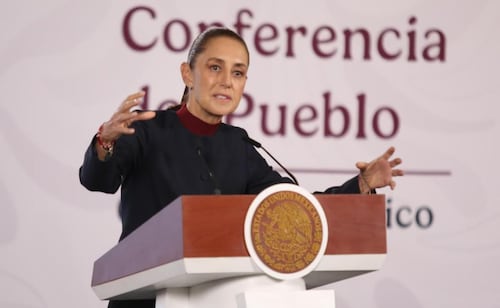
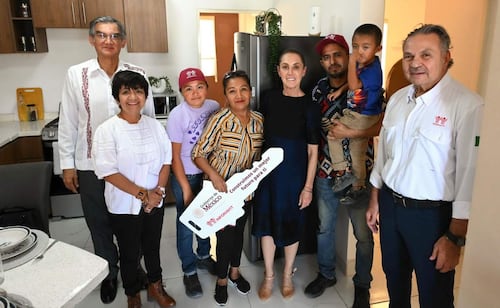
Mexican President Claudia Sheinbaum celebrated favorable economic indicators, emphasizing the peso's robust performance and record foreign direct investment. During an event for the "Vivienda para el Bienestar" (Housing for Well-being) program in Reynosa, she challenged long-standing criticisms of minimum wage hikes.
And you know what? There is no inflation, there is a record of foreign direct investment, and the peso is stronger than ever. It is one of the strongest currencies in the world.
She recalled arguments that increasing the minimum wage would lead to inflation, deter investment, and devalue the peso. "And you know what? There is no inflation, there is a record of foreign direct investment, and the peso is stronger than ever. It is one of the strongest currencies in the world," Sheinbaum stated.
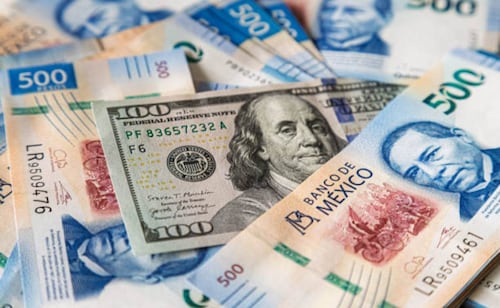
The peso has strengthened for four consecutive days, trading below 17 units per dollar. Sheinbaum also addressed predatory mortgage schemes that caused workers to pay multiple times the original value of their homes, often still owing substantial debts. She described these practices as "usury and theft."
This is usury and theft.
"The nightmares are over, and the dreams have begun for the working class," she declared, highlighting government efforts to restructure loans and eliminate debts for affected families.
The nightmares are over, and the dreams have begun for the working class.
DistantNews Editorial
Originally published by El Universal in Spanish. Translated, summarized, and contextualized by our editorial team with added local perspective. Read our editorial standards.
More Stories

From Our Blog

What Press Freedom Means for the News You Read

What Gets Lost (and Found) When News Is Translated

The Critical Role of Diaspora Media in Global News

What Travellers Should Know About Countries with Restricted Press

A Digital Nomad's Guide to Following Local News
