


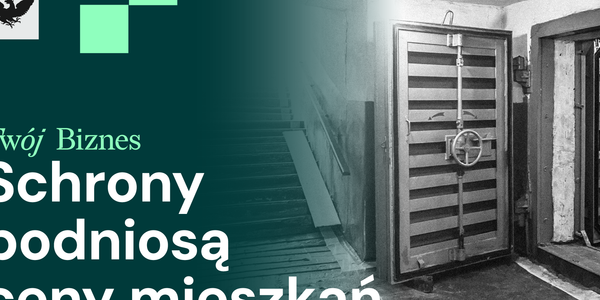
Shelters to raise housing prices in Poland; Ukraine attacks hit Russian fuel; South Korea bets on semiconductors
Translated from Polish, summarized and contextualized by DistantNews.
At a glance
News
Sources not specified
Context piece
- New regulations in Poland requiring shelters in residential buildings will increase construction costs, potentially raising apartment prices by 30 to 250 Polish zloty per square meter.
- Ukrainian attacks on Russian energy infrastructure have caused fuel shortages and reduced gasoline sales at some Russian stations, though Russia claims the situation is under control.
- South Korea is launching a new economic strategy focused on AI and semiconductor production, involving over $570 billion in investments, with major contributions from Samsung and SK Hynix.
Poland's new shelter law is poised to increase housing costs, with developers anticipating higher prices for new apartments. The legislation, which mandates the inclusion of immediate shelter spaces in residential buildings, is still working its way through administrative procedures. Consequently, apartments equipped with these safety features are not expected to reach the market for at least another year.
While the new regulations aim to enhance resident safety, they introduce additional expenses for developers. Industry representatives estimate that construction costs could rise by 30 to 250 Polish zloty per square meter, depending on the project's specifics and the technical solutions employed. These increased costs are ultimately expected to be passed on to buyers, further contributing to the upward trend in apartment prices observed in major Polish markets, despite a substantial supply of new units.
In parallel, the article touches upon the escalating impact of Ukrainian attacks on Russian energy infrastructure. Recent strikes have damaged more refineries, leading to localized fuel shortages and restricted gasoline sales in parts of Russia. Russian President Vladimir Putin acknowledged these issues but asserted that the situation remains under control. He also revealed that Ukraine proposed a temporary halt to reciprocal attacks on critical infrastructure, a proposal Moscow rejected, arguing it would benefit Kyiv more than Russia. Despite the growing economic strain from the war and sanctions, experts believe Russia still possesses significant resources to sustain its war effort.
Separately, South Korea has unveiled a new economic strategy centered on artificial intelligence and semiconductor manufacturing. The plan involves investments exceeding $570 billion earmarked for new chip factories, data centers, and the necessary energy infrastructure for advanced industries. Private conglomerates Samsung and SK Hynix are expected to finance the majority of these investments. Seoul aims to establish the world's most competitive technological ecosystem and achieve self-sufficiency in strategic economic sectors, reflecting an active industrial policy trend among major Asian economies.
DistantNews Editorial
Originally published by Rzeczpospolita in Polish. Translated, summarized, and contextualized by our editorial team with added local perspective. Read our editorial standards.
More Stories


From Our Blog

What Gets Lost (and Found) When News Is Translated

The Critical Role of Diaspora Media in Global News

What Travellers Should Know About Countries with Restricted Press

A Digital Nomad's Guide to Following Local News

How the Same Story Looks Different in Different Countries
