


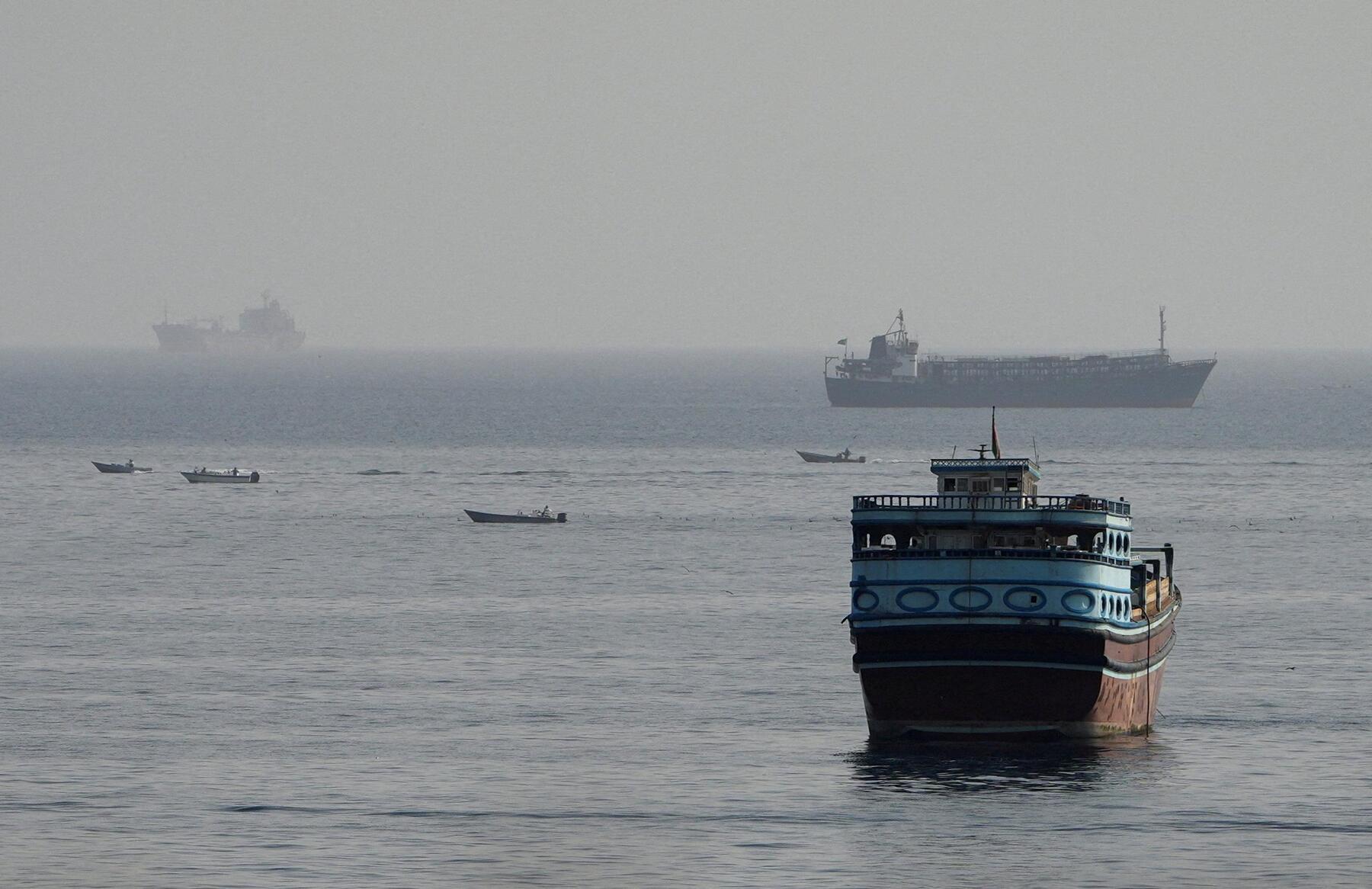
Shipping industry concerned as Iran, Oman near Strait of Hormuz deal
Translated from German, summarized and contextualized by DistantNews.
At a glance
News
Sources not specified
Context piece
- Iran and Oman are nearing an agreement on maritime traffic through the Strait of Hormuz.
- The deal reportedly includes geographical coordinates for passage and may involve transit fees.
- The US was not involved in the talks, and shipping industry insiders express concerns about the feasibility of potential fees due to sanctions and insurance clauses.
Iran and Oman are reportedly close to finalizing an agreement governing maritime traffic through the crucial Strait of Hormuz, according to Iran's state news agency IRNA. The deal is said to include agreed-upon geographical coordinates for passage, signaling a potential step towards regulating the vital waterway. Notably, the United States was not involved in these bilateral discussions between the two Gulf states.
However, reports of potential transit fees for ships passing through the strait have alarmed the shipping industry. Insiders suggest that implementing such fees could be highly problematic due to existing U.S. sanctions against Iran and restrictive insurance clauses. The U.S. has previously imposed sanctions on an Iranian authority established for the waterway, creating risks of sanctions violations and asset freezes for shipping companies involved in payments.
Adding to the complexity, a clause introduced by the Lloyd's Market Association (LMA) at the end of July stipulates that war risk insurance coverage ceases if a vessel pays a transit fee for the route. This creates a difficult situation for shipping companies, caught between potential Iranian demands and international insurance regulations.
Sources indicate Iran is seeking a levy of five to seven percent of cargo value, while Oman is considering around three percent. The U.S., however, has urged for free passage. A senior U.S. official stated that temporary routes would be "free of any obstacles," requiring no permits or fees. The shipping industry finds itself in a dilemma, with leading maritime associations warning that the proposed fees could set a precedent, undermining the international legal framework for straits. The IMO has previously emphasized that passage must remain non-discriminatory and free for all vessels.
All temporary routes will be navigable without any obstacles - meaning no permits or permissions are required and no tolls or fees will be charged.
DistantNews Editorial
Originally published by Die Presse in German. Translated, summarized, and contextualized by our editorial team with added local perspective. Read our editorial standards.
More Stories



From Our Blog

What Gets Lost (and Found) When News Is Translated

The Critical Role of Diaspora Media in Global News

What Travellers Should Know About Countries with Restricted Press

A Digital Nomad's Guide to Following Local News

How the Same Story Looks Different in Different Countries
