


Shipwrecks linked to Caribbean pirates discovered in Bahamas
Translated from Greek, summarized and contextualized by DistantNews.
At a glance
News
Sources not specified
Context piece
- An international team of maritime archaeologists has discovered shipwrecks in the Bahamas linked to the Caribbean's Golden Age of Piracy.
- Among the findings are a charred wooden hull, cannons, and musket balls, providing evidence of pirate activity in Nassau.
- The discovery is considered significant, potentially revealing more about pirate tactics and the ships they used.
An international team of maritime archaeologists has unearthed shipwrecks in the Bahamas directly connected to the notorious pirates of the Caribbean's Golden Age. The findings, located in Nassau on New Providence Island, offer tangible evidence of the pirate haven that flourished between 1690 and 1720, serving as a base for infamous figures like Blackbeard and Calico Jack Rackham.
During the first-ever authorized dive in the protected waters of Nassau's harbor, the expedition identified six shipwrecks. Three of these wrecks date back to the peak era of piracy. Archaeologists discovered a charred wooden hull, believed to be the result of pirates burning captured ships after looting their valuable cargo and equipment. This practice was common as pirates sought to destroy evidence of their crimes.
these findings are the tip of the iceberg
Further evidence of pirate operations includes swivel cannons, a signature weapon used to intimidate enemy crews, along with an iron cannon, a cache of 25 lead musket balls, and a whetstone for sharpening swords. These artifacts are considered the "calling card" of pirate attacks. The team, co-led by British maritime archaeologist Dr. Sean Kingsley, expressed astonishment at the preservation of the wooden wreck, noting that ships were the primary tools of pirate terror.
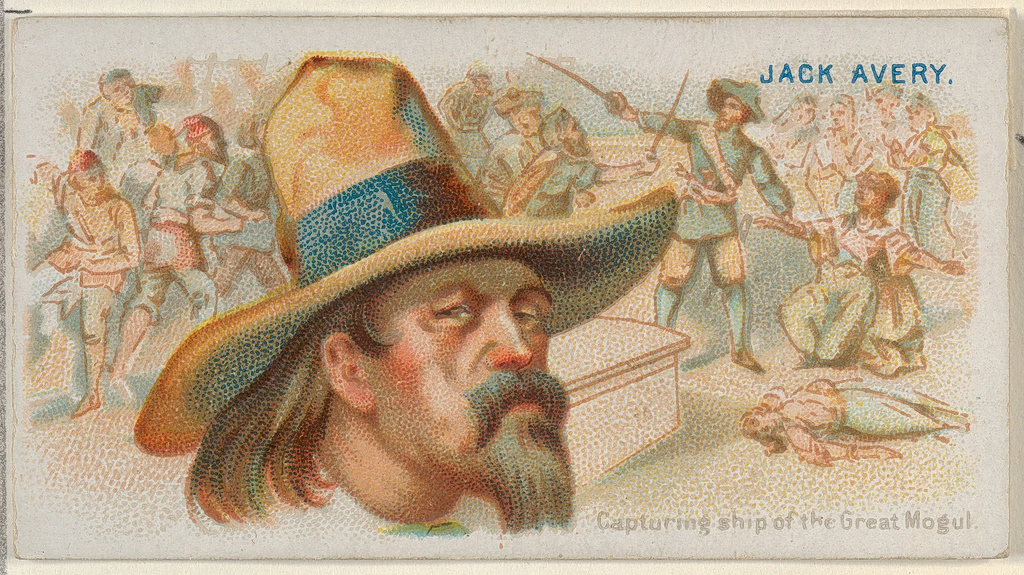
Kingsley described the discovery of the charred hull as a "once-in-a-lifetime experience" and a "particularly moving moment." The team speculates that one of the wrecks, a wooden vessel connected by wooden pegs, could potentially be the flagship of Henry Avery, the "most wanted criminal" of his time, whose 1695 raid yielded riches equivalent to over £85 million today. Avery's ship, the Fancy, was reportedly burned to the waterline. The researchers believe dozens more wrecks may lie within and around the harbor, hinting at the vast scale of pirate activity.
to see it and to touch it was truly a once-in-a-lifetime experience and a particularly moving moment
DistantNews Editorial
Originally published by Ta Nea in Greek. Translated, summarized, and contextualized by our editorial team with added local perspective. Read our editorial standards.
More Stories



From Our Blog

What Gets Lost (and Found) When News Is Translated

The Critical Role of Diaspora Media in Global News

What Travellers Should Know About Countries with Restricted Press

A Digital Nomad's Guide to Following Local News

How the Same Story Looks Different in Different Countries
