

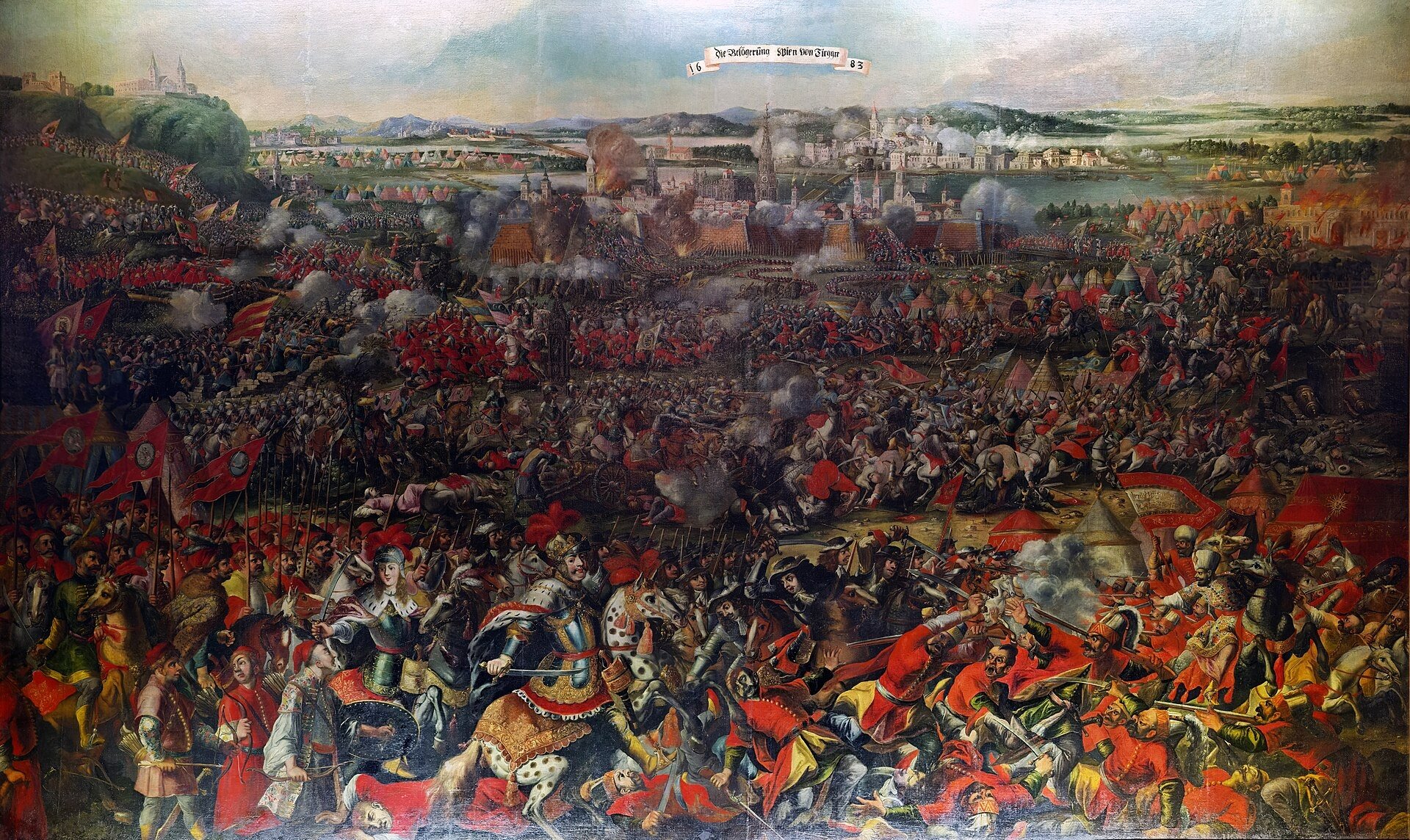
Siege of Vienna 1683: Summer Europe’s destiny hung by thread
Summarized and contextualized by DistantNews.
At a glance
In-depth
Sources not specified
Context piece
- - The Second Siege of Vienna in 1683 marked a turning point, representing the last major Ottoman expansion into the West.
- Sultan Mehmed IV's Grand Vizier, Kara Mustafa Pasha, driven by ambition, sought a military triumph to surpass his predecessors.
- He used a Hungarian uprising against Habsburg religious persecution as a pretext for war, despite an existing truce.
The Second Siege of Vienna in 1683 stands as a pivotal moment in European and Ottoman history, marking the final significant push of Ottoman expansion westward. This event, occurring during the reign of Sultan Mehmed IV, was largely orchestrated by his ambitious Grand Vizier, Merzifonlu Kara Mustafa Pasha. Despite a period of instability earlier in the Sultan's reign, the empire had been regaining strength under the capable leadership of the Köprülü family.
Kara Mustafa Pasha, an experienced military commander, harbored immense ambition for a military victory that would eclipse even the achievements of Sultan Suleiman the Magnificent. His opportunity arose from the internal strife within the Habsburg Monarchy. Emperor Leopold I's policies of religious persecution in Hungary had provoked widespread discontent, leading to a Hungarian uprising led by Emeric Thököly. The Hungarian rebels, unable to challenge the Habsburgs alone, saw the Ottoman Empire as a more tolerant refuge and potential ally.
This situation provided Kara Mustafa Pasha with a seemingly ideal pretext for war. However, a significant obstacle was the existing truce between the Ottoman and Habsburg Empires, which had three more years before renewal. Therefore, the Ottomans needed a legitimate justification to initiate hostilities. Kara Mustafa Pasha allegedly fabricated frontier reports to secure Sultan Mehmed IV's approval for his ambitious campaign, aiming to secure lasting glory through military conquest.
The narrative of the siege highlights the complex interplay of political ambition, religious tensions, and military strategy. Kara Mustafa Pasha's personal drive for glory, combined with the internal dynamics of both the Ottoman Empire and the Habsburg territories, set the stage for a conflict that would ultimately define the limits of Ottoman expansion in Europe.
DistantNews Editorial
Originally published by Daily Sabah. Summarized and contextualized by our editorial team with added local perspective. Read our editorial standards.
More Stories


From Our Blog

What Gets Lost (and Found) When News Is Translated

The Critical Role of Diaspora Media in Global News

What Travellers Should Know About Countries with Restricted Press

A Digital Nomad's Guide to Following Local News

How the Same Story Looks Different in Different Countries
