


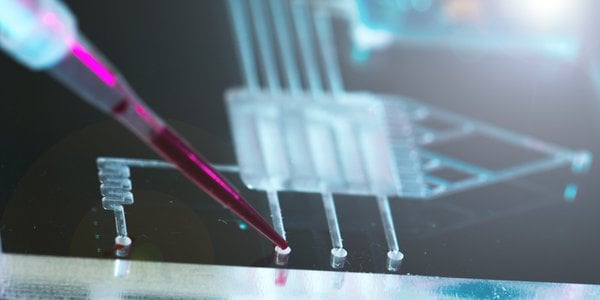
Silicon chip designed for neurons unexpectedly synthesizes DNA
Translated from Polish, summarized and contextualized by DistantNews.
At a glance
News
Named sources
New plan
- Scientists have developed a silicon chip capable of synthesizing 64 different DNA sequences simultaneously using an enzyme-based, water-soluble method.
- This new approach offers a more environmentally friendly alternative to traditional DNA synthesis, which uses hazardous solvents.
- Originally designed to study neurons, the chip's electrodes were repurposed for DNA production, demonstrating its versatility in biotechnology.
Researchers have unveiled a groundbreaking silicon chip that can produce DNA, marking a significant advancement in biotechnology. Developed at Harvard University, this chip can simultaneously synthesize 64 distinct DNA sequences, a new record for this type of technology. Unlike conventional chemical methods that rely on large facilities and hazardous solvents, this innovative process utilizes an enzyme-based reaction in water, mimicking how living cells create DNA.
The new method is presented as a safer and more eco-friendly alternative to the established phosphoramidite chemistry, which, despite its ability to produce millions of sequences, involves dangerous organic solvents. The enzyme-based approach operates in water, making it more akin to natural biological processes and potentially enabling the development of smaller, more accessible DNA production devices in the future.
Intriguingly, the chip was not initially designed for DNA synthesis. It was originally intended for recording the electrical activity of large neuron populations. Scientists discovered that by repurposing the chip's electrodes, they could precisely control the chemical conditions required for DNA synthesis. This unexpected versatility highlights the potential for cross-disciplinary innovation in scientific research.
The team demonstrated the chip's capability by using the synthesized DNA sequences to encode 169 bytes of text. While storing data in DNA is still a future technology requiring vast amounts of genetic material, the researchers believe that water-based enzymatic DNA synthesis could become increasingly viable as production scales up.
DistantNews Editorial
Originally published by Rzeczpospolita in Polish. Translated, summarized, and contextualized by our editorial team with added local perspective. Read our editorial standards.
More Stories


From Our Blog

What Gets Lost (and Found) When News Is Translated

The Critical Role of Diaspora Media in Global News

What Travellers Should Know About Countries with Restricted Press

A Digital Nomad's Guide to Following Local News

How the Same Story Looks Different in Different Countries
