


Siliņa Makes Statement Amid No-Confidence Vote Proceedings
Translated from Latvian and summarized by DistantNews. Read the original for the full story.
At a glance
News
Named sources
Context piece
- Latvian Prime Minister Evika Siliņa is facing a no-confidence vote initiated by the opposition.
- The vote is related to allegations of a potential conflict of interest and the acceptance of gifts by officials attending an event sponsored by the Konrad Adenauer Foundation.
- Several opposition parties, including "Progresīvie" and "Apvienotais saraksts," have indicated their support for the no-confidence motion, with some expressing readiness to form a new government.
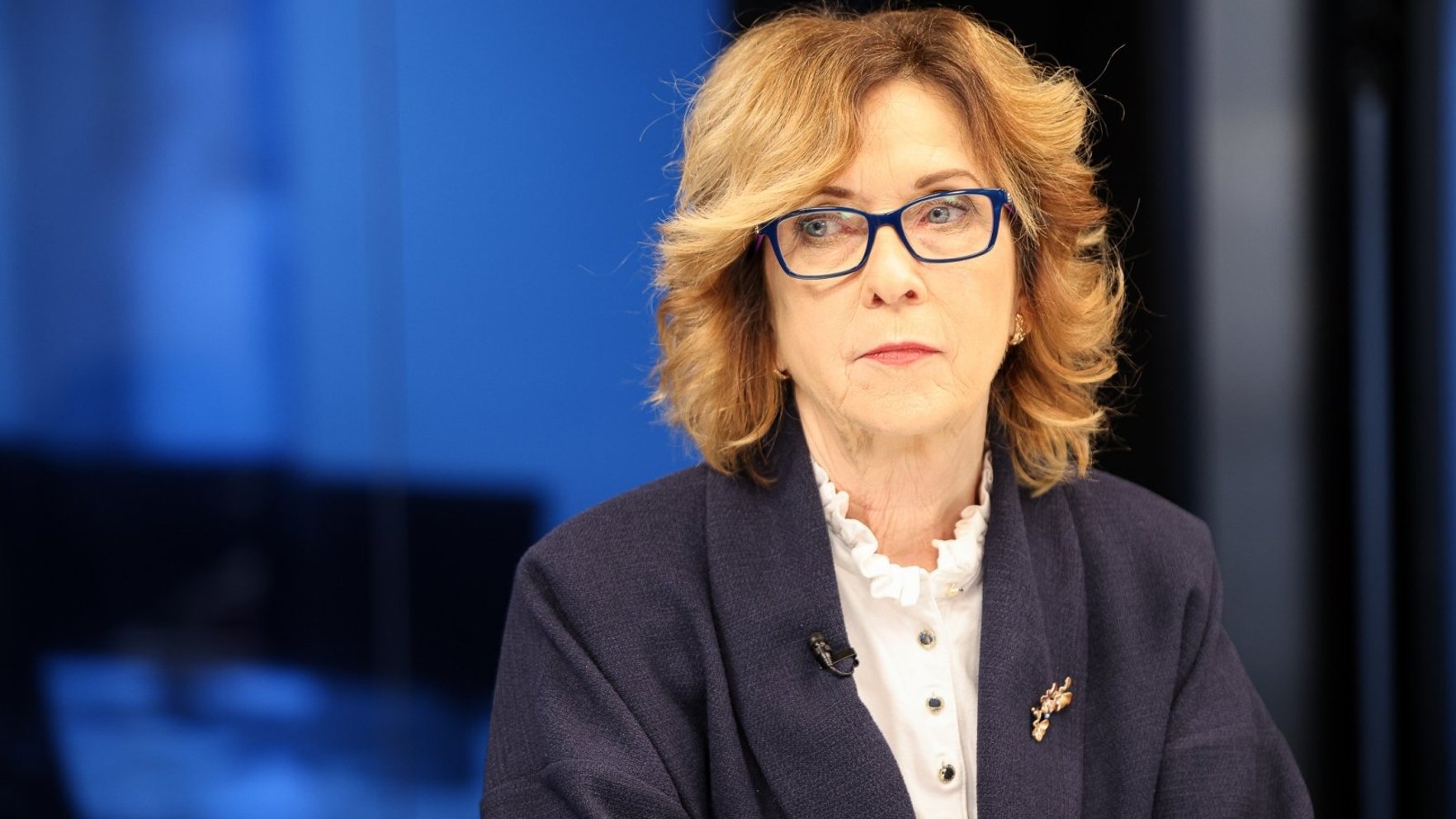
The political landscape in Latvia is currently dominated by a significant challenge to Prime Minister Evika Siliņa's government, centered around a no-confidence vote scheduled in the Saeima (parliament). The motion, brought forth by opposition parties, stems from allegations of a potential conflict of interest and impropriety concerning gifts received by officials attending an event funded by the Konrad Adenauer Foundation. This situation has created considerable political tension, with the outcome of the vote poised to determine the stability of Siliņa's 42nd Cabinet, which was approved just last September.
The "Progresīvie" party, a coalition partner, has declared its support for the no-confidence motion if proposed by any parliamentary political force. This stance is particularly noteworthy, as it signals a potential fracturing within the ruling coalition. Simultaneously, the "Apvienotais saraksts" (United List) party, currently in opposition, has announced its intention to initiate the resignation request for Siliņa. Furthermore, they have expressed a readiness to take over the leadership of the government, including the critical portfolio of the Minister of Defense, indicating a proactive approach to a potential power shift.
Adding to the political maneuvering, the National Alliance party has also indicated its willingness to lead the government. This suggests a broader realignment of political forces in response to the current crisis. The core of the opposition's demand revolves around the principle of transparency and accountability in public office. The specific allegations concerning the Konrad Adenauer Foundation event have become a focal point, raising questions about adherence to regulations regarding conflicts of interest and the acceptance of gifts by high-ranking officials.
From a Latvian perspective, this political drama is unfolding against a backdrop of ongoing geopolitical challenges and the need for a stable government to navigate them. The opposition's actions, while disruptive, are framed as a necessary measure to uphold public trust and ensure ethical governance. The potential collapse of the Siliņa government and the subsequent formation of a new one will be closely watched, as it could reshape the country's political direction and policy priorities in the coming months. The media's role in reporting these developments, as exemplified by Delfi Latvia, is crucial in informing the public and facilitating democratic discourse.
About this summary
Originally published by Delfi Latvia in Latvian. Translated, summarized, and contextualized automatically by DistantNews, with a note on how the source frames the story. Not individually reviewed before publishing. How this works.
More Stories


From Our Blog

News in Translation: What Gets Lost, and How We Keep the Framing

Diaspora Media: How Communities Abroad Follow Home

Traveling Where the Press Is Not Free: How to Read the News There

The Digital Nomad's Guide to Local News

The Same Story, Different Countries: How Coverage Changes at the Border
