


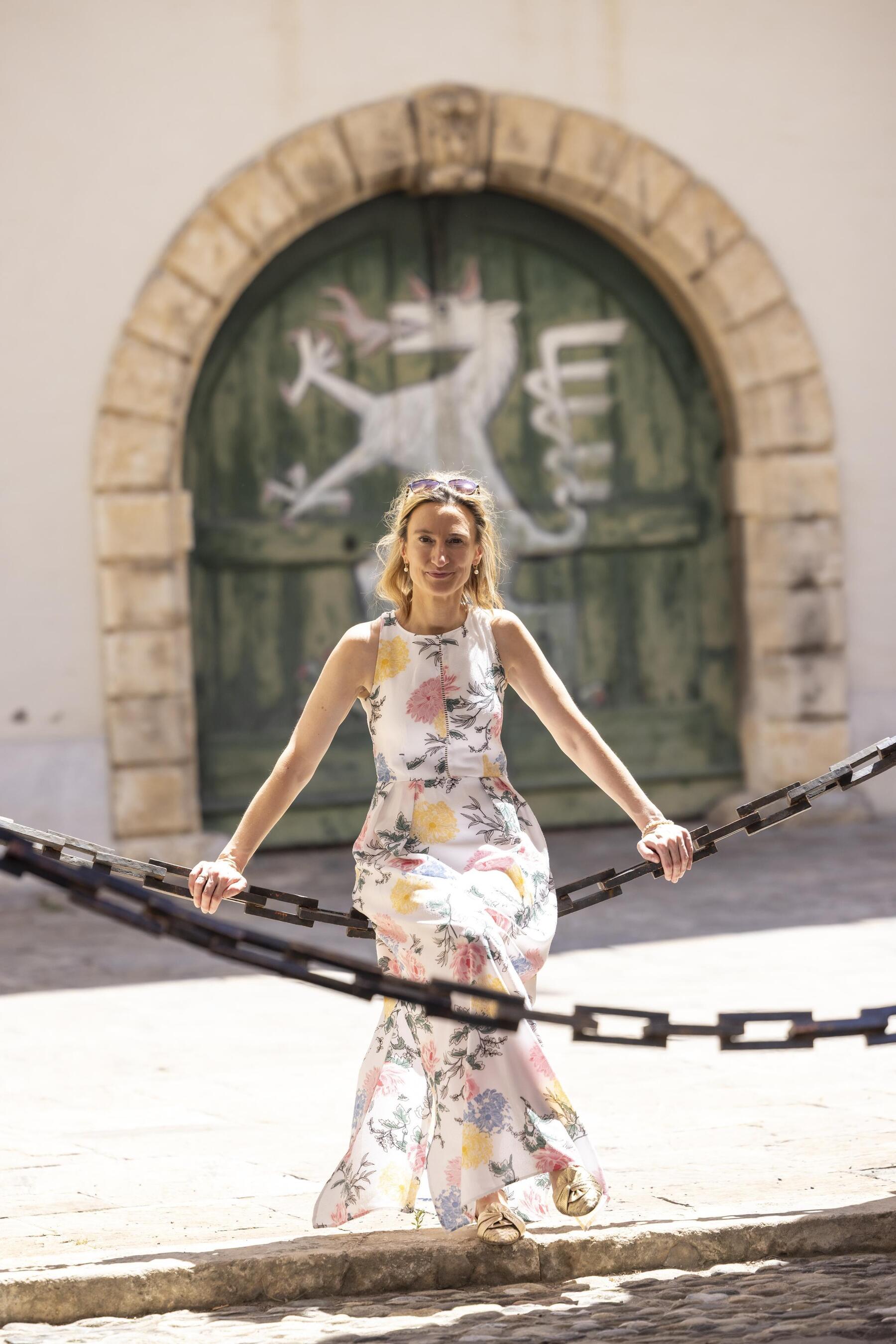
Silvia Trippolt: 'My love stories are read by professors and mechanics'
Translated from German, summarized and contextualized by DistantNews.
At a glance
Interview
Sources not specified
Context piece
- Austrian author Silvia Trippolt discusses her shift from travel writing to romance novels, now termed 'Healing Fiction'.
- Her new novels feature independent female protagonists who find love and self-fulfillment, moving away from traditional damsel-in-distress narratives.
- Trippolt, who previously ran a gastronomy business, decided to pursue her lifelong writing ambition in her 50s, successfully launching three novels.
Austrian author Silvia Trippolt is redefining the romance genre with her latest novels, which she describes as 'Healing Fiction.' Unlike traditional romance, her stories feature women who actively pursue their happiness and love interests, rather than passively waiting for rescue. This marks a significant departure from her previous work as a journalist and author of travel and culinary books.
The world. That means there is a need for a world that, while not entirely healed, is one in which the reader can feel comfortable?
Trippolt's new novel, "Das Glück beginnt in Istrien" (Happiness Begins in Istria), follows a woman who flees her life in Graz for the Croatian coast, finding love and refuge in a bed and breakfast. She emphasizes that her female characters are not like Cinderella; they are independent and supported by a 'girls support girls' ethos, eschewing the classic catty antagonist. This modern approach aims to provide readers with an escapist bubble, offering comfort and a positive resolution.
You want to go somewhere for a few hours where you are in a bubble, nicely wrapped up. I'm not spoiling anything if I say it ends well. You owe something to your genre.
At 50, Trippolt embraced her lifelong dream of becoming a writer. After a career in journalism and running a gastronomy business with her husband for 15 years, a personal loss prompted her to revisit her aspirations. She decided to write three novels, initially for herself, before seeking representation. She approached the publishing world with a bold strategy, aiming high and embracing potential rejection with a "pain-free" attitude.
The woman does not wait for the rescuer. This is not Cinderella. And girls always support girls.
Trippolt notes a surprising shift in audience perception. She observes that terms like 'escapism' are now widely understood, even by readers who might not fit the stereotypical profile. This evolution in reader engagement and genre appreciation is what she finds most astonishing, as her 'pink or colorful' books resonate with a diverse audience, including professors and mechanics, challenging earlier assumptions about the readership for such stories.
Ninety percent of your female readers won't understand the word escapism. Buddy, buddy, don't fool yourself! That has changed.
DistantNews Editorial
Originally published by Die Presse in German. Translated, summarized, and contextualized by our editorial team with added local perspective. Read our editorial standards.
More Stories


From Our Blog

What Gets Lost (and Found) When News Is Translated

The Critical Role of Diaspora Media in Global News

What Travellers Should Know About Countries with Restricted Press

A Digital Nomad's Guide to Following Local News

How the Same Story Looks Different in Different Countries
