

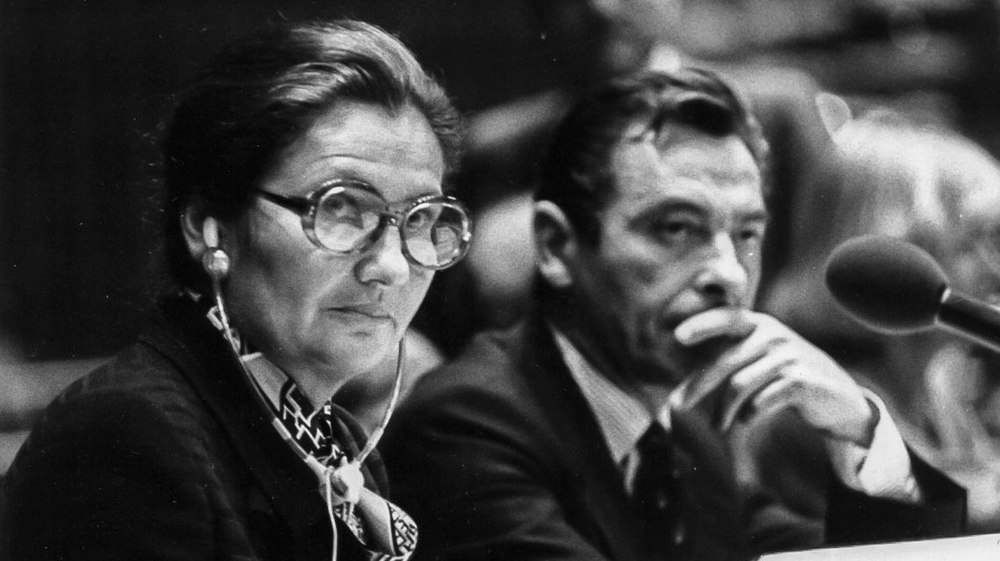
Simone Veil's enduring legacy: A continent's true currency
Translated from Romanian, summarized and contextualized by DistantNews.
At a glance
In-depth
Sources not specified
Context piece
- The author reflects on the legacy of Simone Veil, a Holocaust survivor and former President of the European Parliament, during a recent award ceremony in Strasbourg.
- Veil's life is presented as embodying the European project's origin in the memory of war and the determination to prevent its recurrence.
- The author contrasts Veil's moral authority, derived from transforming personal suffering into public service, with power-based historical figures.
The author draws a profound connection between personal history and the enduring legacy of Simone Veil, a figure whose life and work continue to resonate deeply within Europe. Attending an award ceremony bearing Veil's name in Strasbourg, the author felt a unique significance in the shared birthdate of July 13th, separated by fifteen years.
Simone Veil, a survivor of Auschwitz-Birkenau, transformed her personal tragedy into a powerful force for public good. Despite enduring the horrors of the Holocaust, she chose not resentment but responsibility, dedicating her life to public service. This moral authority, the author argues, is what truly defines her place in history, distinguishing her from those who wield power.
Veil's career included serving as the first woman president of the European Parliament, a symbolic achievement in European integration. She championed significant social reforms in France, advocating for women's rights, education, healthcare, and human dignity. Her life's work demonstrated that dignity can triumph even in the face of extreme adversity.
The author reflects that while the European project is often discussed in administrative terms, funds, fiscal rules, directives, Veil's life serves as a reminder of its deeper origins. Europe was born not from economic calculations but from the painful memory of war and a collective resolve to prevent future conflict. Veil's generation understood the cost of freedom through their lived experience of its absence, a lesson the author suggests is crucial for those born after the war.
DistantNews Editorial
Originally published by Adevărul in Romanian. Translated, summarized, and contextualized by our editorial team with added local perspective. Read our editorial standards.
More Stories


From Our Blog

What Gets Lost (and Found) When News Is Translated

The Critical Role of Diaspora Media in Global News

What Travellers Should Know About Countries with Restricted Press

A Digital Nomad's Guide to Following Local News

How the Same Story Looks Different in Different Countries
