

Sinaloa Governor asks urban transport drivers to avoid flooded avenues in Culiacán; 25 passengers rescued
Translated from Spanish, summarized and contextualized by DistantNews.
At a glance
News
Sources not specified
Ongoing story
- Sinaloa's interim governor urged urban transport drivers to avoid flooded avenues and dangerous streams during the rainy season.
- This warning follows a recent incident where 25 passengers were stranded and required rescue from two buses caught in strong currents.
- Authorities are assessing damage to over 85 homes affected by rising water levels, though urban infrastructure remains largely intact.
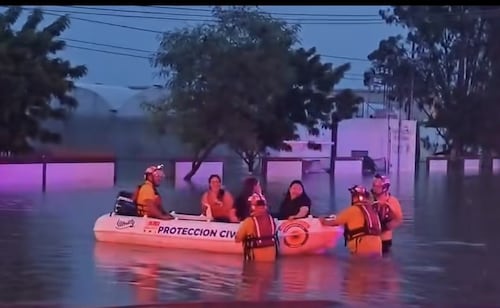
Yeraldine Bonilla Valverde, the interim governor of Sinaloa, has issued a strong appeal to urban transport operators and drivers to exercise caution and avoid flooded avenues and hazardous stream crossings during the current rainy season. The directive comes in the wake of a recent incident where 25 passengers had to be rescued after their buses became trapped in powerful currents.
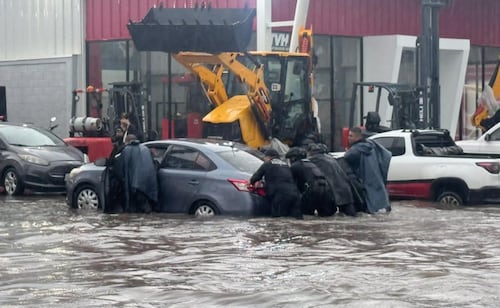
Bonilla Valverde reported that two buses, carrying a total of 25 passengers, were caught in severe currents during a heavy downpour in different parts of Culiacán. Emergency services had to intervene to safely extract the passengers, who fortunately sustained no injuries. The governor emphasized the irresponsible nature of driving through such dangerous conditions.
Brigades from various government agencies have been deployed across Culiacán to assess the damage to homes and property. Over 85 households have been affected by rising water levels, with some families needing to be evacuated by boat from communities where water rose more than thirty centimeters. Despite these residential impacts, Protección Civil reported no significant damage to urban infrastructure.
The governor also urged the public to stay informed about weather forecasts issued by the State Civil Protection Institute to avoid being caught off guard by intense rains, thunderstorms, and strong winds. For preventative measures, shelters have been prepared in all twenty municipalities across the state to facilitate temporary relocation of families in extreme situations. On a positive note, the recent rains have increased reservoir capacity to approximately 35 percent, raising hopes for a successful Autumn-Winter 2026-2027 planting cycle.
DistantNews Editorial
Originally published by El Universal in Spanish. Translated, summarized, and contextualized by our editorial team with added local perspective. Read our editorial standards.
More Stories

From Our Blog

What Press Freedom Means for the News You Read

What Gets Lost (and Found) When News Is Translated

The Critical Role of Diaspora Media in Global News

What Travellers Should Know About Countries with Restricted Press

A Digital Nomad's Guide to Following Local News
