


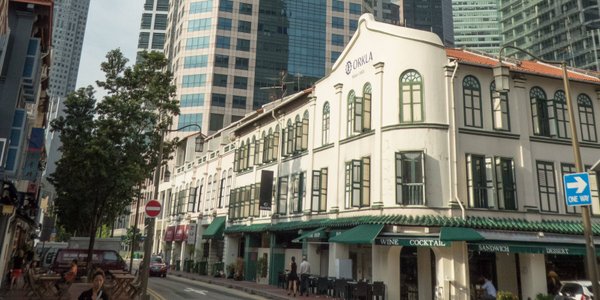
Singapore eases hotel construction bans in historic areas to boost nightlife
Translated from Polish, summarized and contextualized by DistantNews.
At a glance
News
Sources not specified
Context piece
- Singapore is easing restrictions on hotel construction in historic districts to boost tourism and economic activity after dark.
- The changes allow for new accommodation types like hostels and rental apartments in areas previously protected from hotel development.
- The initiative aims to balance heritage preservation with urban revitalization, encouraging more vibrant nightlife and diverse offerings for visitors and residents.
Singapore is loosening long-standing restrictions on hotel development within its historic neighborhoods, signaling a strategic move to invigorate tourism and economic activity, particularly after sunset. The Urban Redevelopment Authority announced the policy shift, which will permit new forms of lodging, such as hostels and serviced apartments, in select districts where hotel construction was previously prohibited.
Areas like Boat Quay and Beach Road, known for their preserved historic architecture and shophouses, have been under strict conservation rules. These regulations were designed to prevent excessive tourism pressure and safeguard the local identity. However, authorities observed a decline in activity and foot traffic in these districts after business hours, prompting a reassessment to find a balance between heritage conservation and economic revitalization.
Greater freedom for entrepreneurs can translate into a richer offering for tourists and residents.
Minister for National Development Chee Hong Tat stated that increased flexibility for entrepreneurs could lead to a richer offering for tourists and residents alike. Businesses along the Singapore River, for instance, will gain more options to adapt their services to market demands. This move is expected to foster new experiences and enhance the appeal of these central areas.
Officials emphasize that these changes do not signify a retreat from heritage protection. Instead, the goal is to enrich the atmosphere of these districts without compromising their architectural integrity. Pilot zones will be established where entrepreneurs and community organizations can test new business models and temporary events with fewer formalities. The strategy also includes developing Singapore's night economy, drawing inspiration from cities like Sydney, Seoul, and London, by investing in evening events, light installations, and artistic projects to encourage people to spend more time out after dark.
The changes do not mean abandoning the protection of the city's historical character. On the contrary – new solutions are intended to enrich the atmosphere of the districts without interfering with their architectural heritage.
DistantNews Editorial
Originally published by Rzeczpospolita in Polish. Translated, summarized, and contextualized by our editorial team with added local perspective. Read our editorial standards.
More Stories



From Our Blog

What Gets Lost (and Found) When News Is Translated

The Critical Role of Diaspora Media in Global News

What Travellers Should Know About Countries with Restricted Press

A Digital Nomad's Guide to Following Local News

How the Same Story Looks Different in Different Countries
