


Singapore parliament debates economic future: WP pushes for homegrown firms, PAP highlights job participation
Translated from English, summarized and contextualized by DistantNews.
At a glance
News
Sources not specified
Outcome reported
- The Workers' Party proposed a motion for broader economic opportunities for young Singaporeans and local entrepreneurs, advocating for a shift in focus towards nurturing homegrown companies.
- The People's Action Party responded that meaningful participation in the economy through jobs, skills development, and support for adaptation provides Singaporeans with a stake in the country's success.
- The debate concluded with an amended motion being passed in parliament, following a nine-hour discussion on the nation's economic future and opportunities for its citizens.
The Workers' Party (WP) has called for a fundamental shift in Singapore's economic strategy, urging the government to prioritize opportunities for young citizens and local entrepreneurs. Tabling a motion in parliament, WP MPs Kenneth Tiong and Jamus Lim outlined a vision for an "economy of the future" and proposed an economic playbook focused on nurturing homegrown companies.
"We have spent 30 years making this country a good place for other people's companies to succeed," said Tiong, advocating for the next three decades to be dedicated to making Singapore a place where local businesses can thrive. He suggested creating special innovation zones, such as one around Nanyang Technological University, where state land would be charged at cost recovery rather than market value, with returns generated from the growth of companies within the zone.
A Singaporean gets a lasting share of that success by meaningfully participating in our economy: Through good jobs, sustained real wages growth, and finding fulfilment through work; by acquiring and building skills and skillsets that remain relevant as technology changes; and, after any setbacks, by taking up the opportunity to learn, and the support to recover and build again.
WP Non-Constituency MP Andre Low highlighted concerns about the "broken bottom rung" of the career ladder, arguing that many young Singaporeans struggle to secure stable initial employment. He proposed a "fair start promise" to ensure those under 30 transitioning from education or national service have access to either stable jobs or paid career-building pathways. This includes building a national market for young talent.
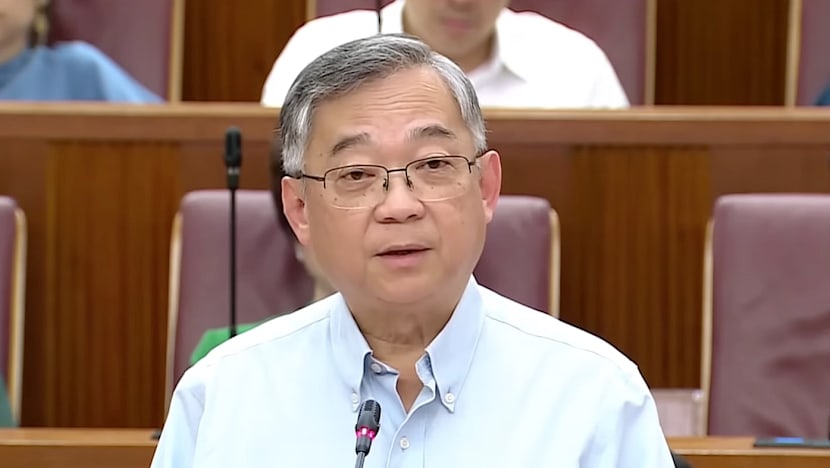
In response, Minister for Trade and Industry (Energy and Industry) Tan See Leng stated that Singaporeans gain a lasting stake in the nation's success through meaningful economic participation. This includes securing good jobs with real wage growth, acquiring relevant skills, and receiving support to recover from setbacks. The debate, which lasted nine hours, saw an amended motion eventually passed in parliament.
We have spent 30 years making this country a good place for other people's companies to succeed. I am asking that we spend the next 30 making it a place where ours can.
DistantNews Editorial
Originally published by CNA in English. Translated, summarized, and contextualized by our editorial team with added local perspective. Read our editorial standards.
More Stories


From Our Blog

What Gets Lost (and Found) When News Is Translated

The Critical Role of Diaspora Media in Global News

What Travellers Should Know About Countries with Restricted Press

A Digital Nomad's Guide to Following Local News

How the Same Story Looks Different in Different Countries
