


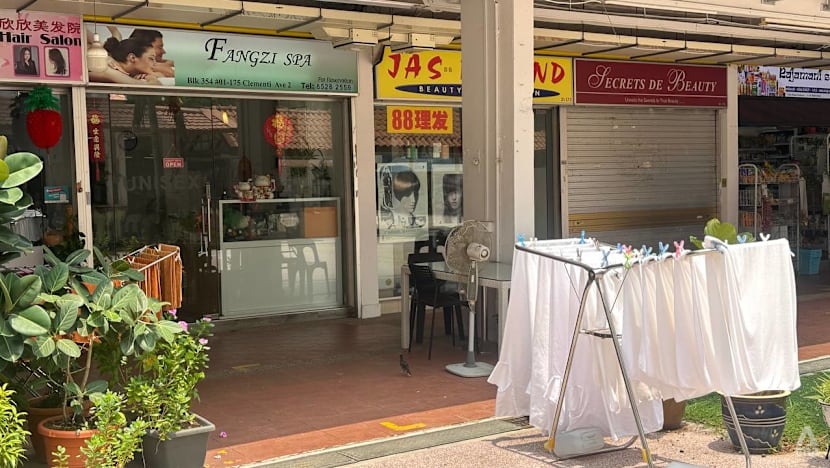
Singapore Tightens Massage Parlour Rules Amid Resident Concerns, Business Worries
Translated from English, summarized and contextualized by DistantNews.
TLDR
- Singapore is tightening licensing regulations for open-concept massage parlours, requiring them to obtain a license.
- The move is welcomed by some lawmakers concerned about illegal activities and neighborhood vice, but businesses fear increased costs.
- New regulations aim to improve oversight and prevent illicit operations from quickly replacing shut-down establishments.
Singapore is taking a significant step to regulate its massage parlour industry, introducing a new licensing regime for open-concept establishments that were previously exempt. As reported by CNA, this move has been met with a mix of relief and apprehension. Lawmakers like Jalan Besar MP Denise Phua have lauded the changes as a "long-awaited response" to resident concerns about vice and illicit activities proliferating in heartland areas. The current lack of coordinated enforcement and oversight has been a persistent issue, allowing problematic businesses to easily re-emerge after being shut down.
It is good that there will now be proper registration and audits, although that will require a fair amount of resources.
The new regulations will introduce a Category 3 license for open-concept massage parlours, subjecting them to more stringent requirements, including obtaining land-use approval from relevant authorities like the HDB or URA. This is a departure from the previous system where these establishments only needed to register with the police and ensure no private rooms were present. While the intention is to enhance accountability and distinguish legitimate businesses from those involved in illegal activities, the businesses themselves are expressing concerns about the potential increase in operational costs associated with compliance.
What we had observed previously was that after the police enforced against a tenant that was caught doing illegal activities and shut down, very quickly the shop is let out to another tenant who conducts similar activities.
MPs like Foo Cexiang and David Hoe have voiced support for the tighter controls, noting that the new measures create higher barriers to entry and enforce necessary compliances. The grace period for existing establishments to apply for the new license aims to ease the transition. However, the underlying tension remains between the public's desire for cleaner neighborhoods and the businesses' concerns about financial viability under the new, stricter framework. The success of these regulations will hinge on effective implementation and balancing these competing interests.
I'm glad that now there are higher barriers to entry, and there are certain compliances that they are supposed to accommodate and follow.
DistantNews Editorial
Originally published by CNA in English. Translated, summarized, and contextualized by our editorial team with added local perspective. Read our editorial standards.
More Stories


From Our Blog

What Gets Lost (and Found) When News Is Translated

The Critical Role of Diaspora Media in Global News

What Travellers Should Know About Countries with Restricted Press

A Digital Nomad's Guide to Following Local News

How the Same Story Looks Different in Different Countries
