


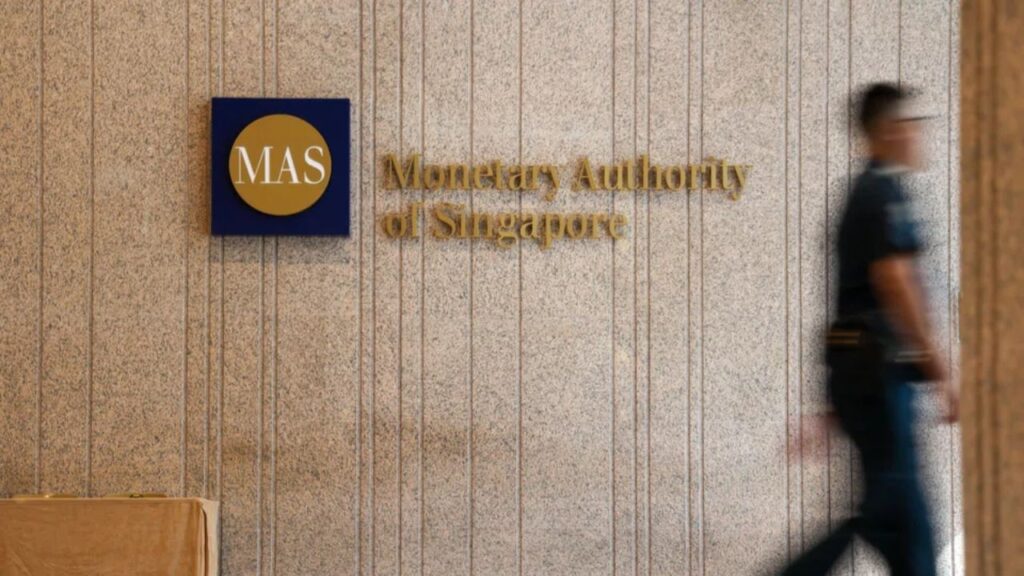
Singapore Tightens Monetary Policy Amid Iran Conflict and Inflation Fears
Translated from Malay, summarized and contextualized by DistantNews.
At a glance
News
From a news agency
New plan
- Singapore tightened its monetary policy for the second time in three months due to global energy market instability and rising inflation risks stemming from the U.S.-Iran conflict.
- The Monetary Authority of Singapore (MAS) will allow the local dollar to appreciate against its trade-weighted basket of currencies.
- The MAS expects core inflation to rise and remain elevated due to higher import costs for food and energy, warning of further increases if energy prices surge.
Singapore has tightened its monetary policy, signaling concerns over persistent global inflation and energy market volatility exacerbated by the ongoing conflict between the United States and Iran. This marks the second such adjustment by the Monetary Authority of Singapore (MAS) within a three-month period.
The MAS announced it would increase the rate of appreciation of the Singapore dollar against its trade-weighted basket of currencies. This move comes as global energy prices remain high due to tensions in the Middle East, following U.S. and Israeli actions against Iran starting in late February. As Singapore imports the majority of its energy and food, these global price increases directly impact the cost of living within the city-state.
Singapore's import costs are likely to increase in the coming quarters.
Unlike many central banks that manage inflation by adjusting interest rates, the MAS uses its exchange rate as its primary policy tool. By allowing the local currency to strengthen, Singapore can mitigate the impact of rising import costs. However, the MAS cautioned that import costs are likely to increase in the coming quarters, with core inflation projected to rise in July and stay high until early next year.
The authority further warned that inflation could exceed current forecasts if energy prices experience another surge. This risk is heightened by significantly reduced fuel reserves and the potential for new supply disruptions in the Middle East, which could trigger a sharp rise in oil prices. The MAS last tightened its monetary policy in April, the first such move since 2022.
Inflation can increase higher than expected if energy prices surge again because fuel reserves have decreased significantly, while new supply disruptions in West Asia could cause a sharp jump in oil prices.
DistantNews Editorial
Originally published by Utusan Malaysia in Malay. Translated, summarized, and contextualized by our editorial team with added local perspective. Read our editorial standards.
More Stories


From Our Blog

What Gets Lost (and Found) When News Is Translated

The Critical Role of Diaspora Media in Global News

What Travellers Should Know About Countries with Restricted Press

A Digital Nomad's Guide to Following Local News

How the Same Story Looks Different in Different Countries
