


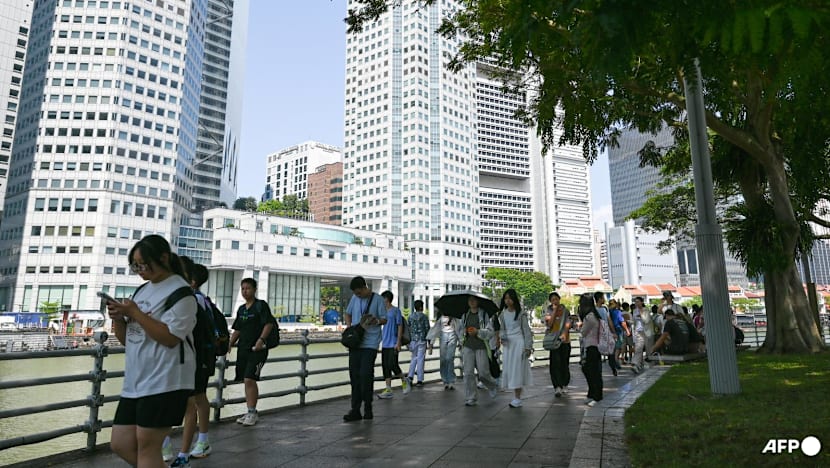
Singapore to ease restrictions on operating new hotels, hostels in heritage precincts at Boat Quay, Beach Road
Summarized and contextualized by DistantNews.
At a glance
News
Official statement
New plan
- Singapore will ease restrictions on new hotels and hostels in heritage areas like Boat Quay and Beach Road.
- Previously, new short-term accommodation proposals were generally disallowed in these precincts.
- The Urban Redevelopment Authority cited a desire to prevent the "over-proliferation" of such establishments as the reason for past restrictions.
Singapore is set to relax rules governing the establishment of new hotels and hostels within its historic districts, including popular areas like Boat Quay and Beach Road. This policy shift aims to allow for new short-term accommodation options in these character-filled precincts.
Until now, the Urban Redevelopment Authority (URA) has largely prohibited new short-term lodging facilities in these heritage areas. The authority's previous stance was driven by concerns about preventing an "over-proliferation" of hotels and hostels, which could potentially dilute the unique historical ambiance of these locations.
The revised approach signals a potential balancing act between heritage conservation and the demand for tourist accommodation. By easing restrictions, Singapore appears ready to explore how new developments can coexist with the preservation of its built heritage, possibly encouraging adaptive reuse of existing buildings or carefully considered new constructions.
over-proliferation
DistantNews Editorial
Originally published by CNA. Summarized and contextualized by our editorial team with added local perspective. Read our editorial standards.
More Stories



From Our Blog

What Gets Lost (and Found) When News Is Translated

The Critical Role of Diaspora Media in Global News

What Travellers Should Know About Countries with Restricted Press

A Digital Nomad's Guide to Following Local News

How the Same Story Looks Different in Different Countries
