

Singer Ejae recalls Leonardo DiCaprio's serious expression made her nervous at BAFTA Awards
Translated from Spanish, summarized and contextualized by DistantNews.
At a glance
News
Sources not specified
Context piece
- Singer Ejae recalled being nervous during a performance at the BAFTA Awards due to the presence of famous figures, including Leonardo DiCaprio.
- She described DiCaprio's serious expression as intimidating, causing her to make mistakes with high notes during her song "Golden."
- Despite the performance anxiety, "Golden" achieved significant success, winning an Oscar and a Grammy.
Performing "Golden" at the BAFTA Awards proved a nerve-wracking experience for South Korean-American singer Ejae. The artist, known for her role as Rumi in "KPop Demon Hunters," found singing in front of renowned figures in the film industry a significant challenge.
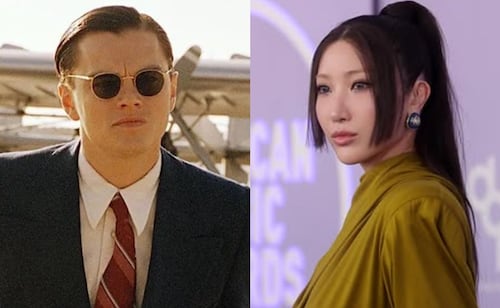
Ejae recounted to The Times that hitting the higher notes of the song became difficult when she noticed Leonardo DiCaprio in the audience. His seemingly serious expression, she explained, made her particularly anxious. "I made a few mistakes with the high notes. DiCaprio was right in front of me and wasn't smiling," the vocalist shared.
I made a few mistakes with the high notes. DiCaprio was right in front of me and wasn't smiling.
"It made me very nervous. It was already stressful enough to be in front of all those celebrities, and then I look up and make eye contact with Leonardo DiCaprio? Please!" she recalled, emphasizing the intense pressure. The BAFTA ceremony took place in London on February 22. DiCaprio was nominated for "One Battle After Another" but did not win.
Despite the performance jitters, Ejae's song "Golden" went on to critical acclaim, securing an Oscar for Best Original Song and a Grammy for Best Song Written for Visual Media. The success of "Golden" continues as a sequel to "KPop Demon Hunters" is reportedly in development.
It made me very nervous. It was already stressful enough to be in front of all those celebrities, and then I look up and make eye contact with Leonardo DiCaprio? Please!
DistantNews Editorial
Originally published by El Universal in Spanish. Translated, summarized, and contextualized by our editorial team with added local perspective. Read our editorial standards.
More Stories
From Our Blog

What Press Freedom Means for the News You Read

What Gets Lost (and Found) When News Is Translated

The Critical Role of Diaspora Media in Global News

What Travellers Should Know About Countries with Restricted Press

A Digital Nomad's Guide to Following Local News
