


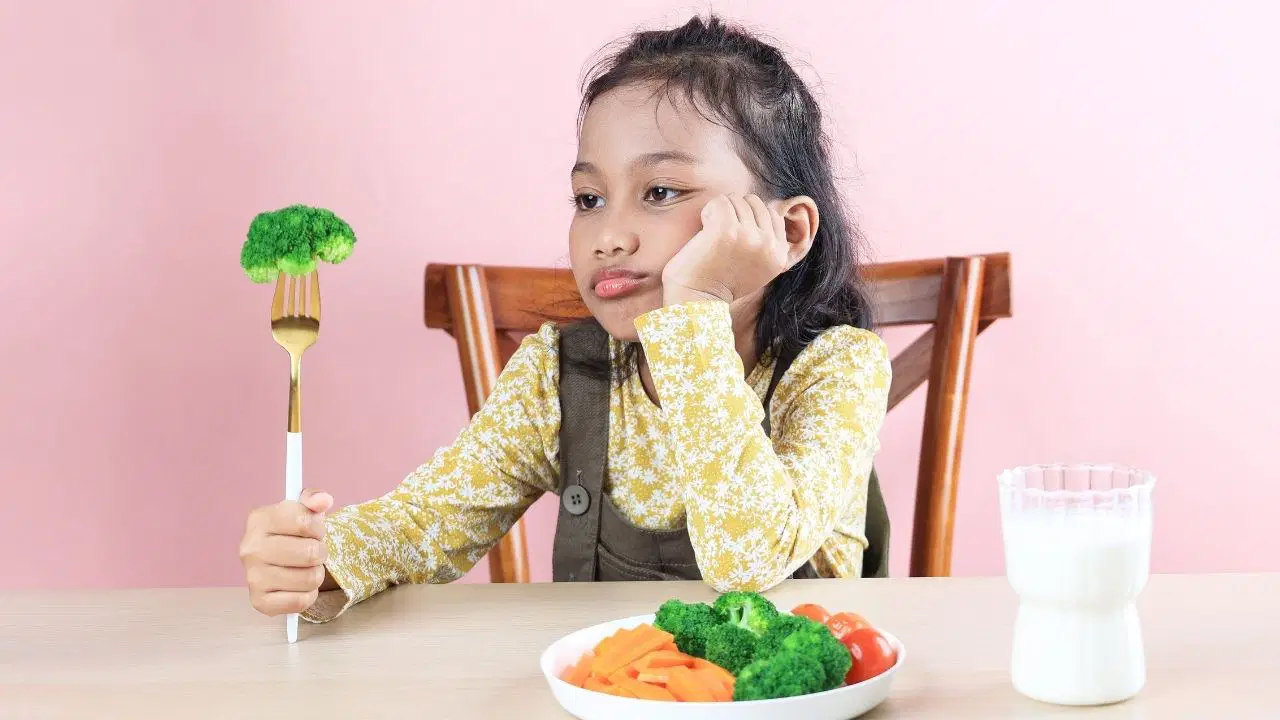
Six Effective Ways to Get Children to Eat More Vegetables, According to Experts
Translated from Turkish, summarized and contextualized by DistantNews.
At a glance
In-depth
Named sources
Context piece
- Experts share six effective, science-backed methods to encourage children to eat more vegetables, addressing parental struggles with picky eaters.
- Early and frequent exposure to diverse vegetables, starting in preschool years, is crucial for acceptance, with children needing 5-15 exposures before trying a new food.
- Offering vegetables at the beginning of a meal when children are hungriest, and increasing the portion size of healthy foods, are recommended strategies to improve children's dietary habits.
Ensuring children consume enough vegetables is a persistent challenge for many parents, with online forums often filled with concerns about picky eating habits. Experts stress that poor nutrition directly impacts children's cognitive functions, concentration, behavior, and academic performance.
If you don't start trying to increase exposure to vegetables for children before the age of five, it will be too late.
The rise in childhood obesity globally, linked to chronic health issues and lower educational outcomes, underscores the necessity of establishing healthy eating habits early on. To combat this, scientists and nutritionists have outlined six practical and evidence-based methods that can be easily implemented at home.
One key strategy is "frequent exposure," beginning in early childhood. Professor Marion Hetherington from the University of Leeds emphasizes that the preschool years are critical for introducing a variety of vegetables. She warns that if exposure doesn't begin before age five, it may be too late, as children often need 5 to 15 repeated exposures to accept a new food. This process can even start in the womb.
Children tend to choose foods described as 'tasty' rather than 'healthy.'
Another effective tactic is to "serve vegetables first," capitalizing on a child's hunger. Simply telling children a food is "healthy" can backfire, as they tend to prefer "tasty" options. Professor Hetherington and Professor Barbara Rolls from Pennsylvania State University agree that offering vegetables at the start of a meal, when children are most receptive, significantly increases the likelihood of them being eaten. This also helps prevent overeating of less nutritious, high-calorie foods. Even incorporating vegetables into breakfast items like omelets or muffins has shown success, with one UK study finding children consumed over 60% of vegetables offered at breakfast.
Serving vegetables first increases the likelihood of them being eaten significantly.
Finally, adjusting "portion sizes" is recommended. If serving vegetables before the main meal isn't feasible, increasing the proportion of healthy foods on the plate can also be an effective approach to encourage better eating habits.
Encouraging vegetables first also prevents children from overeating.
DistantNews Editorial
Originally published by Cumhuriyet in Turkish. Translated, summarized, and contextualized by our editorial team with added local perspective. Read our editorial standards.
More Stories



From Our Blog

What Gets Lost (and Found) When News Is Translated

The Critical Role of Diaspora Media in Global News

What Travellers Should Know About Countries with Restricted Press

A Digital Nomad's Guide to Following Local News

How the Same Story Looks Different in Different Countries
