


Skylo Aims to Popularize Standard-Based Direct-to-Device Satellite Communication
Translated from Korean, summarized and contextualized by DistantNews.
At a glance
News
Sources not specified
Context piece
- Satellite company Skylo announced its 'Standardized Sky' vision, aiming to integrate satellite networks as an extension of terrestrial networks using 3GPP standards.
- The company demonstrated Direct-to-Device (D2D) satellite communication technology, allowing smartphones to connect directly with satellites without special antennas.
- Skylo partners with existing satellite operators and chip manufacturers to offer seamless connectivity across various devices and industries, addressing coverage gaps and network congestion.
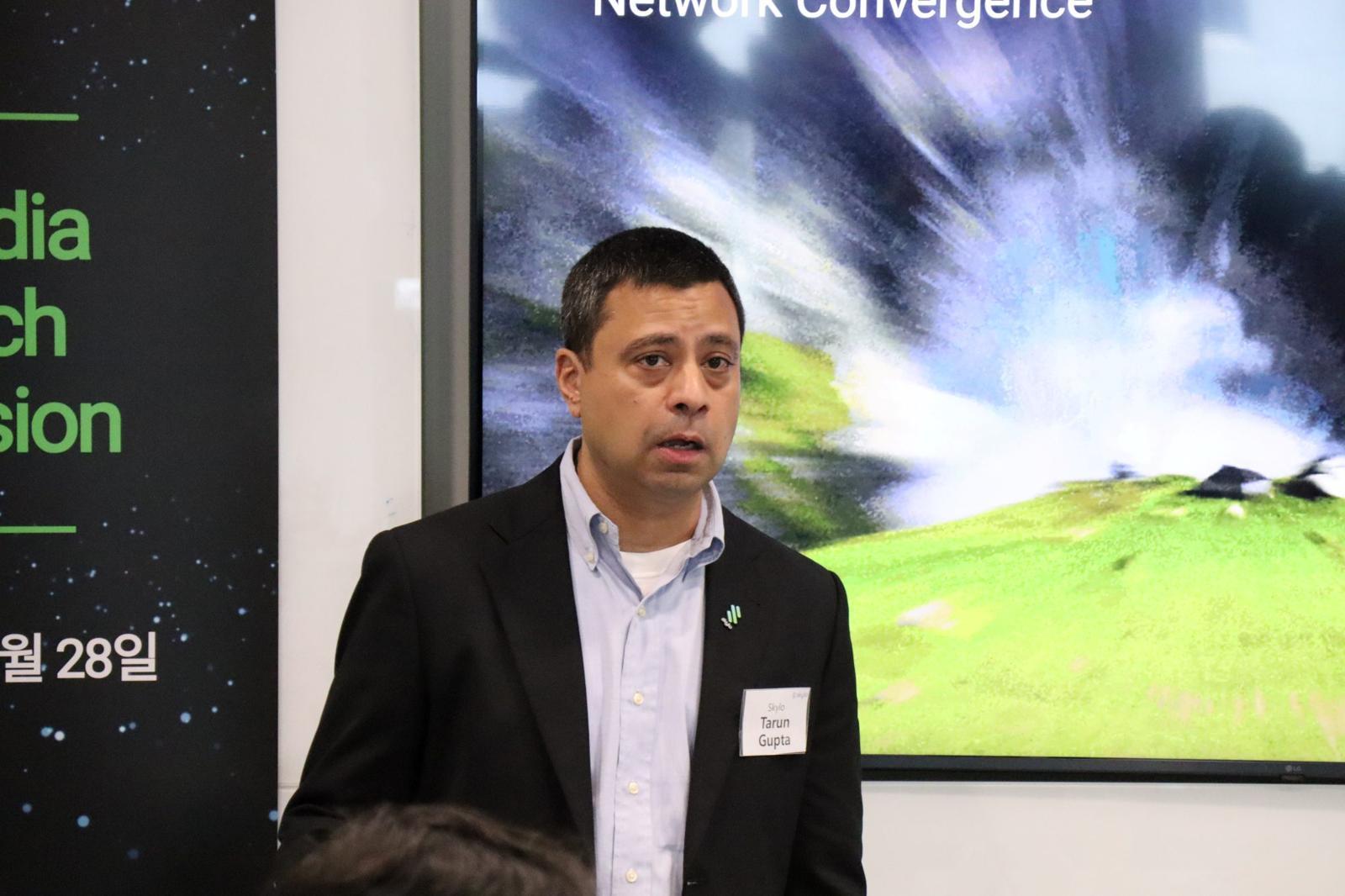
Skylo, a satellite-based non-terrestrial network (NTN) company, is championing a new era of connectivity with its 'Standardized Sky' vision. At a media tech session in Seoul, co-founder and Chief Business Officer Tarun Gupta presented a strategy to integrate satellite networks seamlessly with existing terrestrial infrastructure, effectively extending ground networks into the sky.
The company showcased its Direct-to-Device (D2D) satellite communication technology through a live demonstration using Google Pixel devices. This technology bypasses the need for dedicated satellite antennas, allowing standard smartphones to communicate directly with satellites. This innovation addresses the limitations of traditional mobile networks, particularly in areas with poor or no signal coverage, and is poised to play a significant role in the upcoming 6G era for various sectors including smartphones, vehicles, and IoT devices.
The current latency is about 5 to 10 seconds, but just as mobile networks evolved from 1G to 5G, I believe satellite communication will also evolve.
Unlike companies like SpaceX that launch their own satellite constellations, Skylo collaborates with established satellite operators such as Viasat and Inmarsat. This approach allows Skylo to offer immediate D2D services without the substantial investment in satellite manufacturing and launches. Their strategy hinges on adhering to the 3GPP standards, enabling a single chipset to support Wi-Fi, cellular, and satellite networks, facilitating smooth transitions between them akin to cellular roaming.
Mobile network coverage is 100% based on population, but geographical coverage is only about 90%, and satellites can supplement this coverage.
Skylo has already forged partnerships with major players like Google, Samsung, Qualcomm, Verizon, and Garmin. They are providing D2D messaging services with Verizon and Orange, and emergency rescue services with Garmin. A significant number of chipsets from manufacturers like Qualcomm and Samsung have received Skylo's standard certification, with more being added weekly. While currently focusing on geostationary orbit (GEO) satellites for service continuity, Skylo aims to evolve satellite communication, reducing latency from the current 5-10 seconds and implementing a 'make-before-break' handover mechanism to ensure uninterrupted connections between satellite and terrestrial networks.
Gupta highlighted the relevance of satellite communication for South Korea, a nation with near-100% mobile coverage but still facing geographical coverage gaps and occasional signal drops in urban areas due to network congestion. Skylo's technology can supplement existing infrastructure, providing a vital backup during natural disasters when ground stations might be damaged. The company also sees potential in enhancing Average Revenue Per User (ARPU) for domestic telecom operators by offering premium services combined with satellite connectivity.
The transition between cellular and satellite networks is being verified with partners to be as seamless as users cannot perceive it.
DistantNews Editorial
Originally published by Dong-A Ilbo in Korean. Translated, summarized, and contextualized by our editorial team with added local perspective. Read our editorial standards.
More Stories


From Our Blog

What Gets Lost (and Found) When News Is Translated

The Critical Role of Diaspora Media in Global News

What Travellers Should Know About Countries with Restricted Press

A Digital Nomad's Guide to Following Local News

How the Same Story Looks Different in Different Countries
