


Slavonian Exhibitions Transform Postcards from Mail to Cherished Historical Records
Translated from Croatian, summarized and contextualized by DistantNews.
At a glance
In-depth
Named sources
Context piece
- Two exhibitions in Slavonia showcase historical postcards, offering glimpses into the past of Slavonski Brod and Lipik.
- Postcards, once common mail, are now valued as memories, collectibles, and historical documents.
- These exhibitions highlight the cultural and historical significance of postcards as a source of information about past life and urban development.
Once a common form of communication, postcards have evolved from everyday mail into cherished keepsakes and valuable historical resources. Two recent exhibitions in the Slavonia region of Croatia are shedding light on this transformation, presenting a collection of historical postcards that offer unique insights into the past.
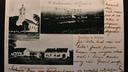
The State Archives in Slavonski Brod is hosting "Brodske vedute: razglednice izgubljenog vremena" (Brod Views: Postcards of Lost Time). This exhibition features around five hundred postcards from the private collection of Dražen Cvitković, spanning from 1898 to the 1980s. Cvitković, a collector for fifty years specializing in the Austro-Hungarian era, Slavonia, and local villages, has donated his extensive collection to the archives. The exhibition aims to underscore the value of postcards and collecting as a means of preserving history.
Postcards are very interesting. They speak of history, of a past that no longer exists.
In Lipik, the exhibition "Lipik kroz vrijeme" (Lipik Through Time), curated by Nives Matijević, showcases hundreds of old postcards, many displayed chronologically for the first time. The collection traces the town's history from the late 19th century to more recent times. A standout piece is the oldest known postcard from Lipik, sent in August 1893. The exhibition brings to life the beauty, development, and daily life of Lipik's past, with each postcard serving as a tangible link to the region's identity.
Historically, postcards served as a rapid and inexpensive communication method, particularly in the late 19th and early 20th centuries when mail delivery was frequent in many European cities. They facilitated arrangements for meetings, shared daily news, and conveyed brief family messages. The first official postcard, known as a "Correspondenz-Karte," was introduced in the Austro-Hungarian Monarchy in 1869. The advent of illustrated postcards soon followed, leading to their widespread popularity. While digital communication now dominates, these tangible pieces of history continue to offer a unique window into bygone eras.
Every object carries its story, and every postcard preserves a piece of memory of the people, places, and events that shaped the identity of our region.
DistantNews Editorial
Originally published by Večernji List in Croatian. Translated, summarized, and contextualized by our editorial team with added local perspective. Read our editorial standards.
More Stories



From Our Blog

What Gets Lost (and Found) When News Is Translated

The Critical Role of Diaspora Media in Global News

What Travellers Should Know About Countries with Restricted Press

A Digital Nomad's Guide to Following Local News

How the Same Story Looks Different in Different Countries
