

Small businesses bear brunt of tariffs, while giants stay quiet
Translated from English, summarized and contextualized by DistantNews.
At a glance
News
Sources not specified
Context piece
- Small businesses are suing the Trump administration over new tariffs, while larger corporations remain largely silent.
- Large firms strategically route objections through industry groups to avoid government backlash and partisan customers.
- Tariffs pose an existential threat to smaller businesses, which employ nearly half of the private sector workforce, unlike larger companies where they are a nuisance.
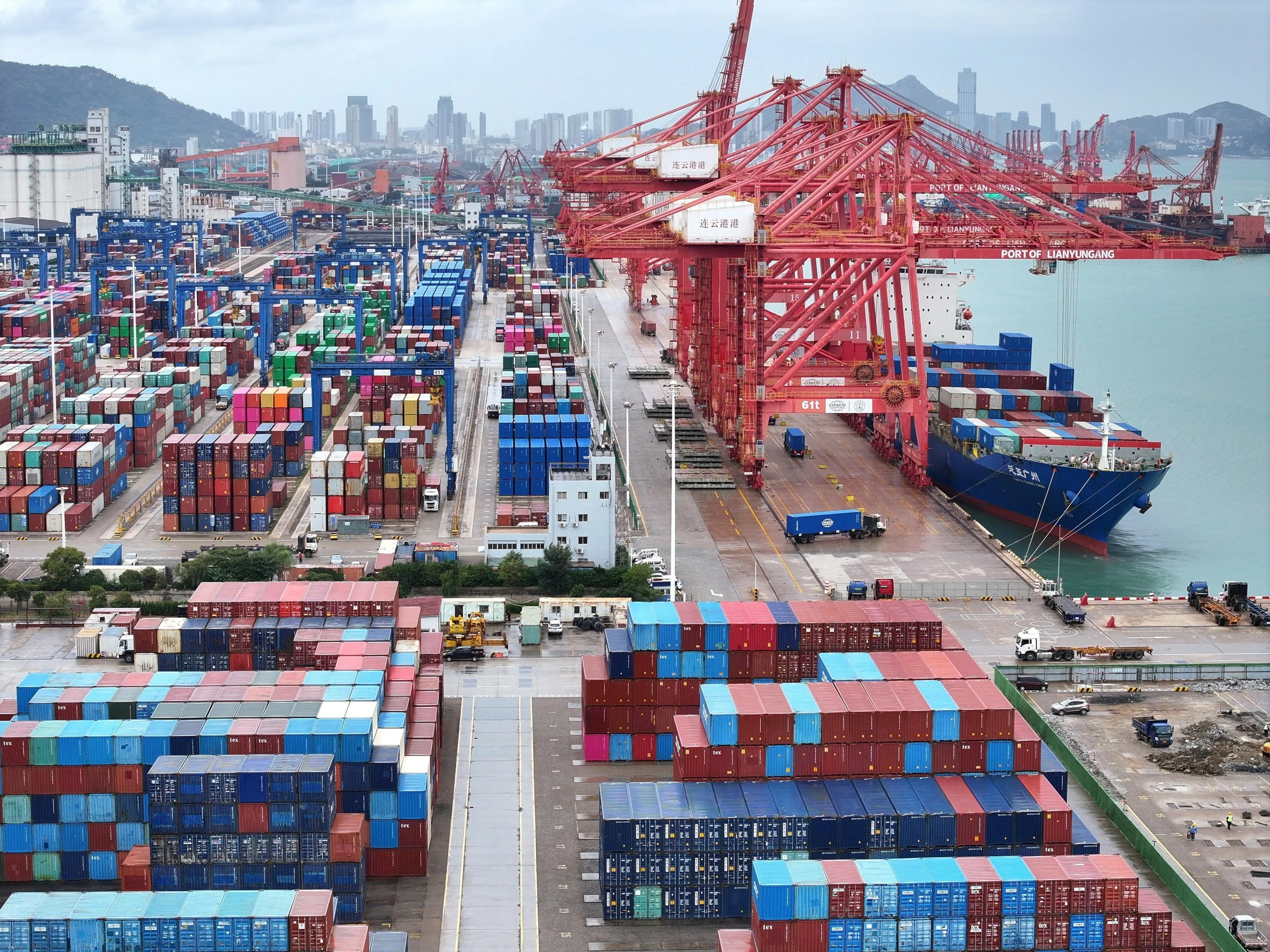
Small businesses have once again taken the Trump administration to court over its latest tariff scheme, just hours after its launch. These companies are part of a growing group of business owners who have become the public face of resistance to tariffs.
Much of this silence, the report explains, is strategy: Large US firms don’t like the tariffs but have routed their objections through industry associations and legal filings to avoid blowback from the government or partisan customers.
Larger corporations like Walmart and Ford Motor Co. have largely stayed quiet. This silence is a strategy, as these big firms dislike the tariffs but voice objections through industry associations and legal filings. This approach helps them avoid backlash from the government or customers with strong political leanings. A single presidential tweet can significantly impact a company's stock, making it wiser for large firms to let smaller, more sympathetic businesses lead the opposition.
The disparity between the noise from small businesses and the silence from large ones highlights a harsh financial reality. While tariffs are a mere nuisance for big companies, they represent an existential threat to most others. Smaller businesses employ almost half of America's private sector workforce, and their struggles translate into significant economic harm, both now and for the future.
When a single presidential tweet can cause a company’s stock to crater, it’s often smarter to let smaller, more sympathetic firms “carry the water,” explained one trade lawyer.
The immediate impact is the direct tax burden. Between January 2025 and June 2026, the government collected nearly $284 billion in import taxes, with American importers, including many small businesses, paying about 90% of it. The Center for American Progress estimates that the average small business importer's bill increased by roughly $306,000 in the first year of Trump's tariffs. Firms with fewer than 50 employees faced an additional cost of about $175,000.
For big companies, the tariffs are a nuisance while for most all others they’re an existential threat hitting from three different directions.
Research indicates that importers absorbed about half of all U.S. tariffs last year, rather than passing them on to consumers. The Federal Reserve's Small Business Credit Survey found that 60% of U.S. small businesses absorbed some of these new tariff costs. Consequently, 42% of small firms, primarily in retail and manufacturing, identified increased tariff costs as a major financial challenge.
The Center for American Progress estimates that the average small business importer’s bill was around $306,000 larger during the first year of Trump’s tariffs than in the prior 12 months.
DistantNews Editorial
Originally published by Gulf Today in English. Translated, summarized, and contextualized by our editorial team with added local perspective. Read our editorial standards.
More Stories



From Our Blog

What Gets Lost (and Found) When News Is Translated

The Critical Role of Diaspora Media in Global News

What Travellers Should Know About Countries with Restricted Press

A Digital Nomad's Guide to Following Local News

How the Same Story Looks Different in Different Countries
