


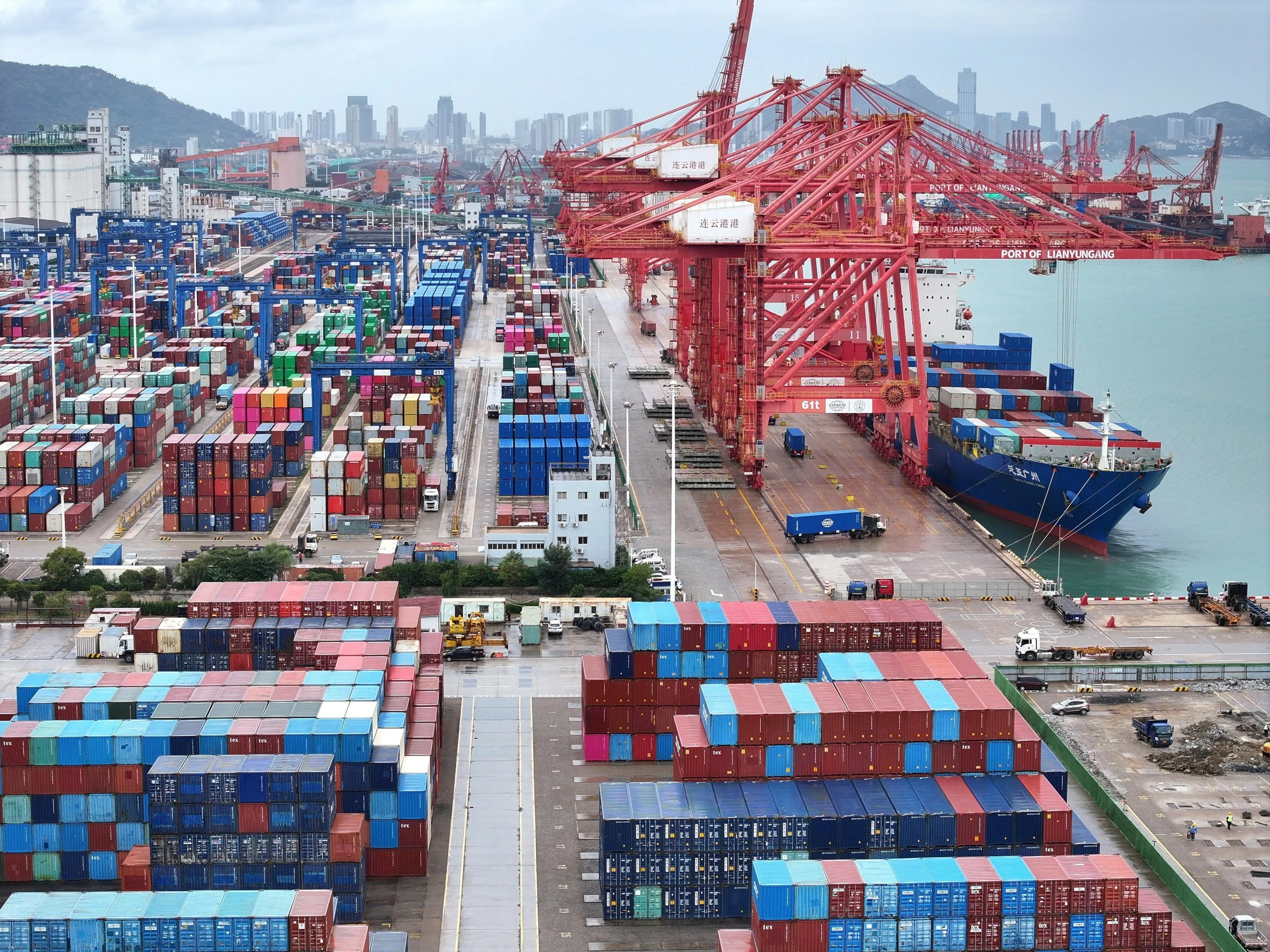
Why GDP is the GOAT of economic statistics
Summarized and contextualized by DistantNews.
At a glance
Analysis
Sources not specified
Context piece
- Gross Domestic Product (GDP) is defended as the "GOAT" of economic statistics due to its comprehensive nature and ability to correlate with key quality-of-life indicators.
- Critics, including some on the left and Vice President JD Vance, argue GDP overlooks negative externalities, inequality, and non-monetary aspects of well-being.
- Despite its imperfections, GDP remains a valuable tool for measuring economic output, enabling international and historical comparisons that highlight improvements in living standards.
Gross Domestic Product (GDP) is lauded by some economists as the "greatest of all time" economic statistic, despite facing increasing criticism. Its strength lies in its ability to encapsulate a vast amount of information into a single, comparable figure that correlates with approximately 90% of factors contributing to a higher quality of life, such as health, employment, life expectancy, sanitation, opportunity, and education.
I love GDP. There. I said it.
However, GDP is not without its detractors. Many on the political left argue that it fails to account for negative externalities of growth and places insufficient value on equality or non-monetary aspects of life. More recently, Vice President JD Vance has also voiced skepticism, questioning the fundamental validity of economic statistics and suggesting economics might be "fake." This criticism aligns with a growing trend of economic populism that views GDP as a metric that holds politicians accountable.
Economists defending GDP emphasize that while no statistic is perfect, GDP possesses crucial qualities: it is useful, consistently estimable, transparent, and replicable. Its ability to be compared across countries and over time allows for the observation of significant increases in living standards in nations that have experienced GDP growth. The statistic measures economic output within borders, providing a clear, albeit incomplete, picture of a nation's economic activity.
maybe economics is just fake.
While GDP does not capture subjective experiences like the taste of fruit or the beauty of landscapes, it does incorporate adjustments for new technology and product quality, though these involve some human judgment. It also notably omits factors like inequality, the value of leisure time, and unpaid domestic labor. Efforts to create a more comprehensive measure, such as the UN's proposed "dashboard of 31 indicators," have been criticized for lacking the singular objectivity of GDP and potentially allowing countries to selectively present favorable data.
a dashboard of 31 indicators structured around four components
Ultimately, proponents argue that despite its limitations and the valid points raised by critics, GDP remains the most effective and robust single metric available for understanding and comparing economic performance globally. The ongoing debate highlights the challenge of quantifying complex societal well-being through a single statistical lens.
This approach would also let countries and politicians pick how they are judged.
DistantNews Editorial
Originally published by Gulf Today. Summarized and contextualized by our editorial team with added local perspective. Read our editorial standards.
More Stories


From Our Blog

What Gets Lost (and Found) When News Is Translated

The Critical Role of Diaspora Media in Global News

What Travellers Should Know About Countries with Restricted Press

A Digital Nomad's Guide to Following Local News

How the Same Story Looks Different in Different Countries
