


'Small Funerals' Emerge Amidst Changing Korean Funeral Culture
Translated from Korean, summarized and contextualized by DistantNews.
At a glance
In-depth
Sources not specified
Context piece
- South Korea's traditional funeral customs are slowly changing, with a rise in 'small funerals' and 'no-wake funerals' due to demographic shifts and evolving social values.
- Factors like the increase in single-person households, an aging population, and the normalization of online condolences contribute to this trend, reducing costs and the burden on bereaved families.
- There is also a growing movement for individuals to pre-plan their funerals, specifying their wishes for ceremonies and arrangements, reflecting a desire for more personalized and less ostentatious farewells.
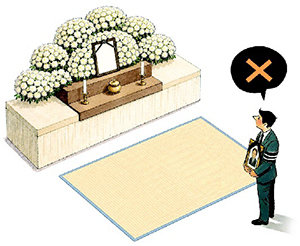
South Korea's long-standing funeral customs, deeply rooted in Confucian values emphasizing filial piety, are undergoing a noticeable transformation. While traditions like the three-day funeral have persisted, a new trend of 'small funerals' and 'no-wake funerals' is emerging, reflecting societal changes. Industry data indicates that 'no-wake funerals' now account for one in five services, a significant increase.
Several factors are driving this shift. The dramatic rise in single-person households, now exceeding 8 million, means fewer people are available to serve as traditional chief mourners (sangju). Furthermore, an aging population often results in fewer attendees among friends and relatives. The COVID-19 pandemic also accelerated the adoption of online mourning and virtual gift-giving practices, further reducing the need for large, in-person gatherings.
The chief mourner shouldn't even haggle over the price of water, as if it were the last act of filial piety.
The traditional three-day funeral, historically involving hosting neighbors and guests, is being re-evaluated. Many bereaved families find the process exhausting, focusing more on hosting duties and formal greetings than on grieving the deceased. The average funeral cost, estimated by the Korea Consumer Agency at around 14 million won, is heavily influenced by food expenses, which constitute 80% of the total. Opting out of a wake significantly reduces these costs.
Families who have held three-day funerals often find themselves confused about whether they are hosting a wake or a restaurant.
Adding to this evolving landscape is a growing trend of individuals pre-planning their own funerals. This includes deciding on the type of ceremony, who to notify, burial or cremation preferences, and even selecting funeral attire and photographs. This proactive approach aims to alleviate the burden on their children and ensure their final wishes are respected, avoiding unnecessary extravagance or adherence to outdated customs.
This move towards more personalized and intimate farewells is also exemplified by the emergence of 'living funerals' or 'pre-funeral ceremonies.' Actress Park Jung-ja's recent 'living funeral,' attended by friends who shared memories of her life, garnered attention. Such events allow individuals to witness their own farewells, hear tributes, and express gratitude, offering a sense of closure and fulfillment that traditional, posthumous ceremonies may not provide.
I am happy to see the people who are sending off my life with my own eyes.
DistantNews Editorial
Originally published by Dong-A Ilbo in Korean. Translated, summarized, and contextualized by our editorial team with added local perspective. Read our editorial standards.
More Stories


From Our Blog

What Gets Lost (and Found) When News Is Translated

The Critical Role of Diaspora Media in Global News

What Travellers Should Know About Countries with Restricted Press

A Digital Nomad's Guide to Following Local News

How the Same Story Looks Different in Different Countries
