


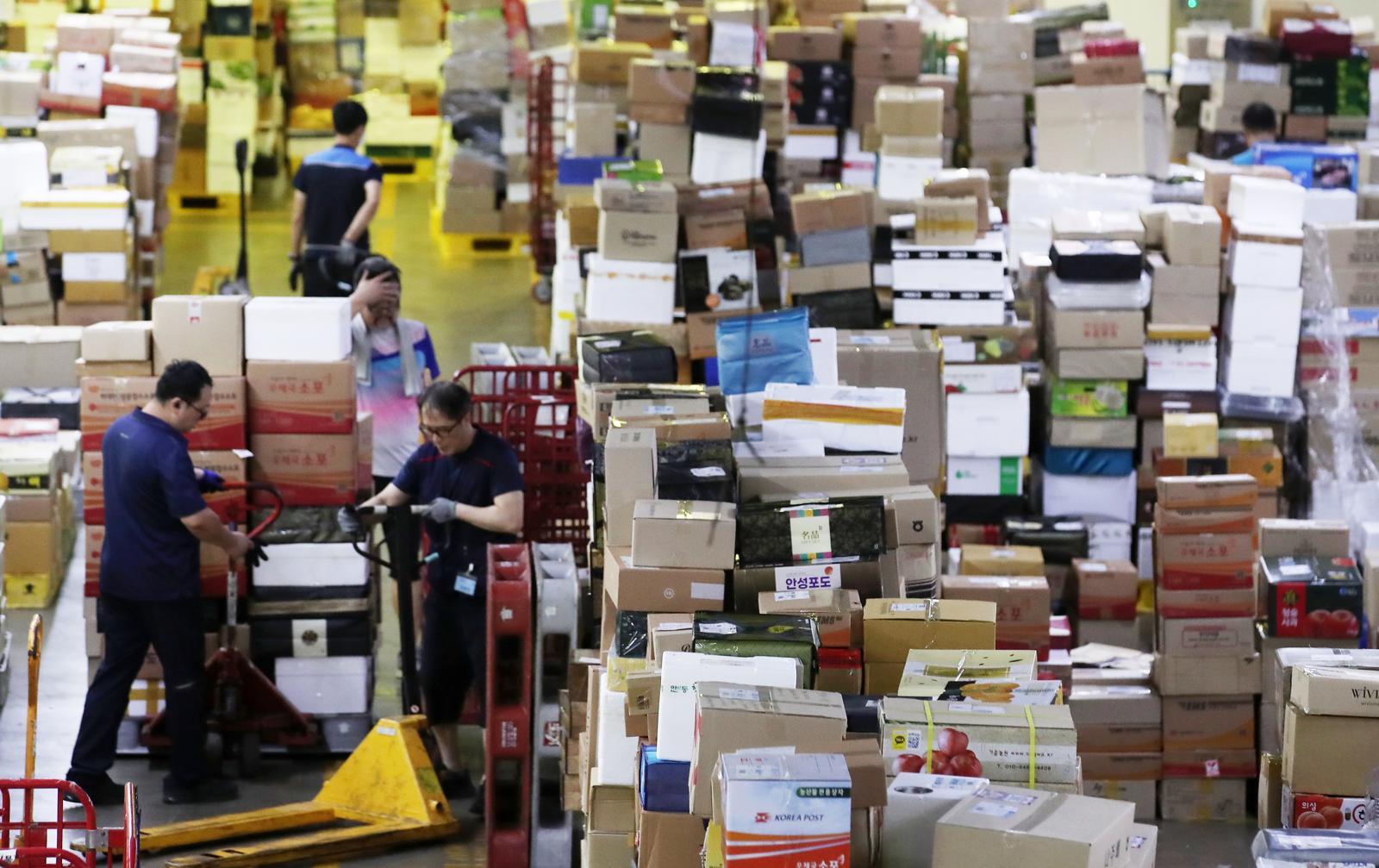
Small suppliers fear losing orders as lawmakers move to shorten payment cycles
Translated from Korean and summarized by DistantNews. Read the original for the full story.
At a glance
News
Named sources
New plan
- South Korea’s parliament is advancing amendments to the Large Retail Business Act after the TMON-Wemakeprice settlement crisis, including shorter payment deadlines for large retailers.
- The proposal would cut direct-purchase payment periods from 60 to 35 days and other settlement periods from 40 to 20 days for retailers with annual sales of at least 100 billion won.
- Supplier groups warn that higher liquidity demands could lead retailers to reduce orders, favor large companies or shift toward contract structures that place more risk on small suppliers.
A plan to force large retailers in South Korea to pay suppliers faster is drawing resistance from the small businesses it aims to protect. Supplier groups say a shorter wait for payment could come at the cost of fewer orders.
Parliament is advancing amendments to the Large Retail Business Act after the settlement crisis involving TMON and Wemakeprice. The bill would apply to retailers with annual sales of at least 100 billion won. For direct-purchase transactions, it would shorten the payment deadline from 60 days after receiving goods to 35 days. For special purchases, consignment sales and rental transactions, the period would fall from 40 days after the end of sales to 20 days.
Special purchasing creates a wider bargaining gap with retailers than direct purchasing, so unfair trading practices occur more frequently and it is absolutely disadvantageous to small suppliers.
The purpose is to reduce the risk of delayed settlements and improve smaller suppliers’ cash flow. But the Korea Startup Forum, the Korea Association of Platform Sellers and the Korea Small and Medium Business Association called for the bill to be reconsidered in full. They said retailers facing greater working-capital demands could cut purchasing volumes or choose suppliers more cautiously to contain costs.
Because shortening the payment deadline for product sales does not produce the same effect across all transaction structures, it is necessary to consider not only the purpose of the system but also its possible impact in the actual market.
Research cited by the article warns that the effects could be especially severe for smaller companies. A research team led by Yoo Byung-joon of Seoul National University estimated that reducing the settlement cycle to 20 days could increase the polarization index between large and small suppliers 2.4 times. It estimated annual damage to small suppliers at 12 trillion to 21 trillion won.
The groups also fear retailers could avoid the new restrictions by expanding special-purchase and consignment arrangements, in which suppliers carry more inventory risk. One small-business representative said special purchasing creates a wider bargaining imbalance and leaves smaller suppliers particularly vulnerable to unfair trading practices.
For small businesses, securing stable order volumes is the key to survival, rather than receiving settlements a few days earlier.
The Korea Startup Forum said payment deadlines do not have the same effect across all transaction structures. The Korea Association of Platform Sellers said that securing stable order volumes mattered more to small companies than receiving settlement a few days earlier. Experts called for rules that account for the nature of each transaction rather than imposing a uniform deadline. Professor Jeon Sung-min of Gachon University said policy should prioritize transaction stability and autonomy over payment speed.
The focus should be on transaction stability and autonomy rather than the speed of settlement.
About this summary
Originally published by Dong-A Ilbo in Korean. Translated, summarized, and contextualized automatically by DistantNews, with a note on how the source frames the story. Not individually reviewed before publishing. How this works.
More Stories


From Our Blog

What Gets Lost (and Found) When News Is Translated

The Critical Role of Diaspora Media in Global News

What Travellers Should Know About Countries with Restricted Press

A Digital Nomad's Guide to Following Local News

How the Same Story Looks Different in Different Countries
