


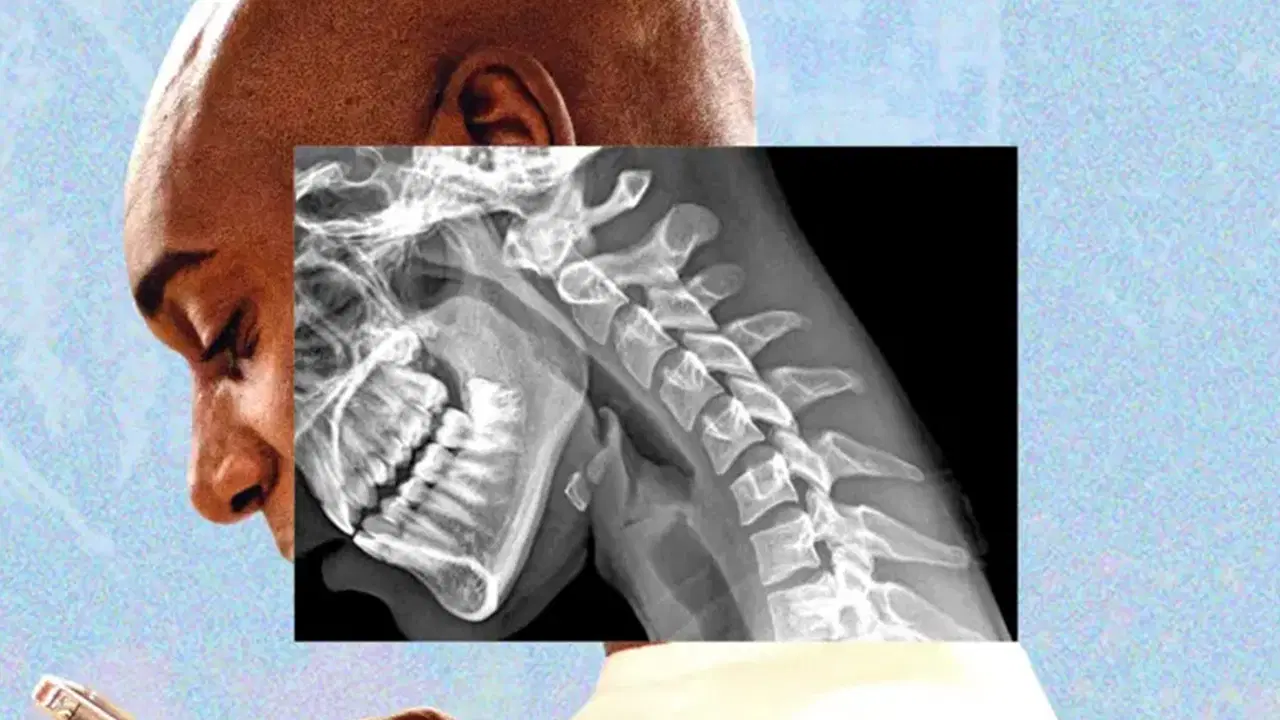
Smartphones Are Changing Our Bodies: 'Tech Neck' Poses Major Risk of Early Death!
Translated from Turkish, summarized and contextualized by DistantNews.
At a glance
In-depth
Sources not specified
Context piece
- Constant use of smartphones may be altering human anatomy and posing health risks, including vision damage and reduced motor skills.
- Experts warn that prolonged screen time can lead to conditions like 'tech neck,' potentially causing spinal damage and reduced lung capacity.
- While technology's physical effects are concerning, simple adjustments like holding devices at eye level and spending more time outdoors can mitigate some risks.
The pervasive presence of smartphones in daily life is raising concerns about their physical impact on the human body. Beyond the widely discussed mental effects, experts are pointing to tangible anatomical changes and potential health hazards. One common observation is a small, calloused bump on the pinky finger, precisely where the phone is typically held for support.
We did a study looking at the onset and progression of myopia for over 20 years, examining the eye development of children. One of the main questions was whether there was a link between myopia and 'near work.' The answer was 'not really.'
This phenomenon has led to the identification of "tech neck," a condition characterized by the forward-leaning posture adopted when using devices. This posture can exert significant pressure on the neck, potentially up to 27 kilograms, leading to long-term damage to spinal discs, altered joint and muscle structures, and even reduced lung capacity. The cumulative effect of these physical strains could, over time, contribute to cognitive decline or other serious health issues.
Optometry professor Donald Mutti highlights that while direct links between "near work" and myopia are not as strong as previously thought, the amount of time spent indoors due to technology use indirectly affects eye health. He explains that outdoor exposure stimulates dopamine release in the retina, which plays a role in eye development. Therefore, spending more time outdoors, even while taking precautions against sun damage, is recommended for both eye health and improved sleep.
The bright light outside stimulates the release of dopamine from the retina, which can affect the development of your eyes.
To combat the physical strain of device usage, experts suggest simple yet effective adjustments. Holding phones and other devices at eye level can significantly reduce the pressure on the neck. While specific exercises, guided by a doctor, can help correct existing issues, immediate behavioral changes are crucial in preventing further harm. The article implies that a conscious effort to modify usage habits is necessary to counteract the body's adaptation to a technology-centric lifestyle.
This 'forward-head posture' can put up to 27 kilograms of pressure on your neck.
DistantNews Editorial
Originally published by Cumhuriyet in Turkish. Translated, summarized, and contextualized by our editorial team with added local perspective. Read our editorial standards.
More Stories



From Our Blog

What Gets Lost (and Found) When News Is Translated

The Critical Role of Diaspora Media in Global News

What Travellers Should Know About Countries with Restricted Press

A Digital Nomad's Guide to Following Local News

How the Same Story Looks Different in Different Countries
