


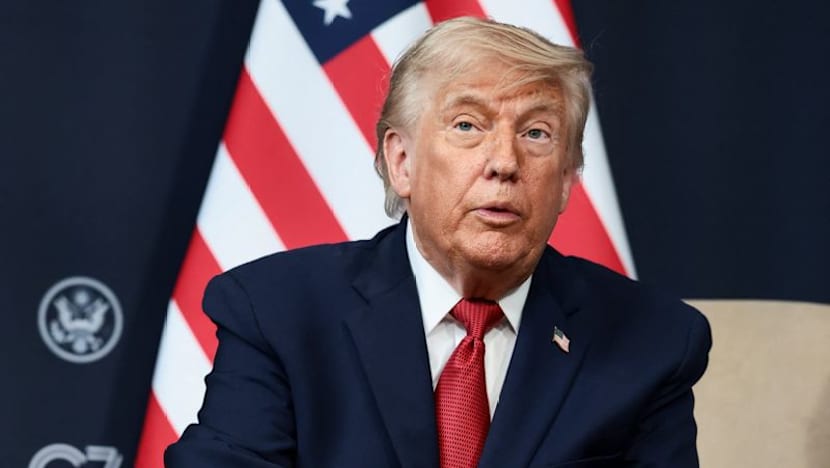
Snap Insight: US-Iran MOU is not yet a deal to end the war
Summarized and contextualized by DistantNews.
At a glance
Analysis
Named sources
Ongoing story
- The United States and Iran have signed a preliminary agreement to pause their war, generating global relief but not yet a final peace deal.
- President Trump admitted the agreement was partly to avoid economic catastrophe and stated that hostilities could resume if a permanent deal isn't reached within 60 days.
- Key issues, including Iran's nuclear program, remain unresolved and will be subject to further negotiations within a tight timeframe, raising concerns about the agreement's long-term viability.
A preliminary agreement between the United States and Iran to pause their war has been signed, bringing a measure of relief to a world weary of the conflict and its economic consequences. However, experts caution that this is not yet a definitive peace deal, but rather a memorandum of understanding (MOU) that halts hostilities and outlines objectives for a future agreement.
if a permanent deal “doesn’t get done in 60 days … we go back to bombing”
President Donald Trump acknowledged that the MOU was partly motivated by a desire to avert "an economic catastrophe," suggesting significant pressure to end a costly and unpopular war. He warned that if a permanent deal is not finalized within 60 days, the U.S. could return to bombing, indicating that the threat of renewed conflict, while reduced, has not been entirely eliminated.
he entered into the MOU to avoid “an economic catastrophe”.
The 14-point MOU leaves several critical issues unresolved, most notably Iran's nuclear program. While Iran has pledged not to develop nuclear weapons, the agreement does not specify how its current program, including an estimated 300kg of enriched uranium, will be handled. This complex issue is slated for further negotiation within a 60-day window, which experts deem insufficient for thorough inspections and monitoring, especially given Iran's history of protracted negotiations. The 2015 JCPOA, for comparison, took nearly 20 months to negotiate.
The first is that one of the main reasons the US went to war, Iran’s nuclear programme, remains unresolved.
DistantNews Editorial
Originally published by CNA. Summarized and contextualized by our editorial team with added local perspective. Read our editorial standards.
More Stories


From Our Blog

What Gets Lost (and Found) When News Is Translated

The Critical Role of Diaspora Media in Global News

What Travellers Should Know About Countries with Restricted Press

A Digital Nomad's Guide to Following Local News

How the Same Story Looks Different in Different Countries
